

Sell Fire Damaged House Fast Houston - we buy fire damaged houses
Professional "As-Is" Solutions for Complex Fire Recovery
Dealing with a house fire is one of the most stressful experiences a homeowner can face. Beyond the emotional toll, the physical damage creates a complex financial and logistical puzzle. In the Bayou City, Houston’s high humidity and heat can exacerbate fire-related issues, leading to rapid mold growth and deep-set odors.
If the thought of managing a construction crew for the next six months feels overwhelming, we offer a streamlined path to a fresh start.
Let’s Talk

Fire Damaged Houses
✦
Fast Cash Offer
✦
No Repair Needed
✦
No Hassle
✦
Fire Damaged Houses ✦ Fast Cash Offer ✦ No Repair Needed ✦ No Hassle ✦
Fire Damaged House in Houston, Texas?
Dealing with the aftermath of a house fire is one of the most stressful experiences a homeowner can face. Beyond the emotional toll, the physical damage to your property creates a complex financial and logistical puzzle. If you are currently standing amidst the smoke-damaged remains of your property, you might be wondering if it is even possible to offload the burden. The good news is that you have options. Whether you want to restore or rebuild it or look for Cash Home Buyers to take it off your hands as-is, understanding the Houston real estate market is key.
In the Bayou City, the humidity and heat can actually exacerbate fire-related issues, leading to rapid mold growth and deep-set odors. Therefore, time is of the essence. This guide is designed to walk you through the comprehensive process of selling a fire-damaged house in Houston, from dealing with insurance adjusters to deciding between a traditional listing and a direct sale.
At Absolute Properties, we buy fire damaged houses. We understand the heavy burden a house fire leaves behind. We’ve designed a streamlined path to a fresh start, handling the details ourselves so you never have to worry about cleaning soot or managing contractors.
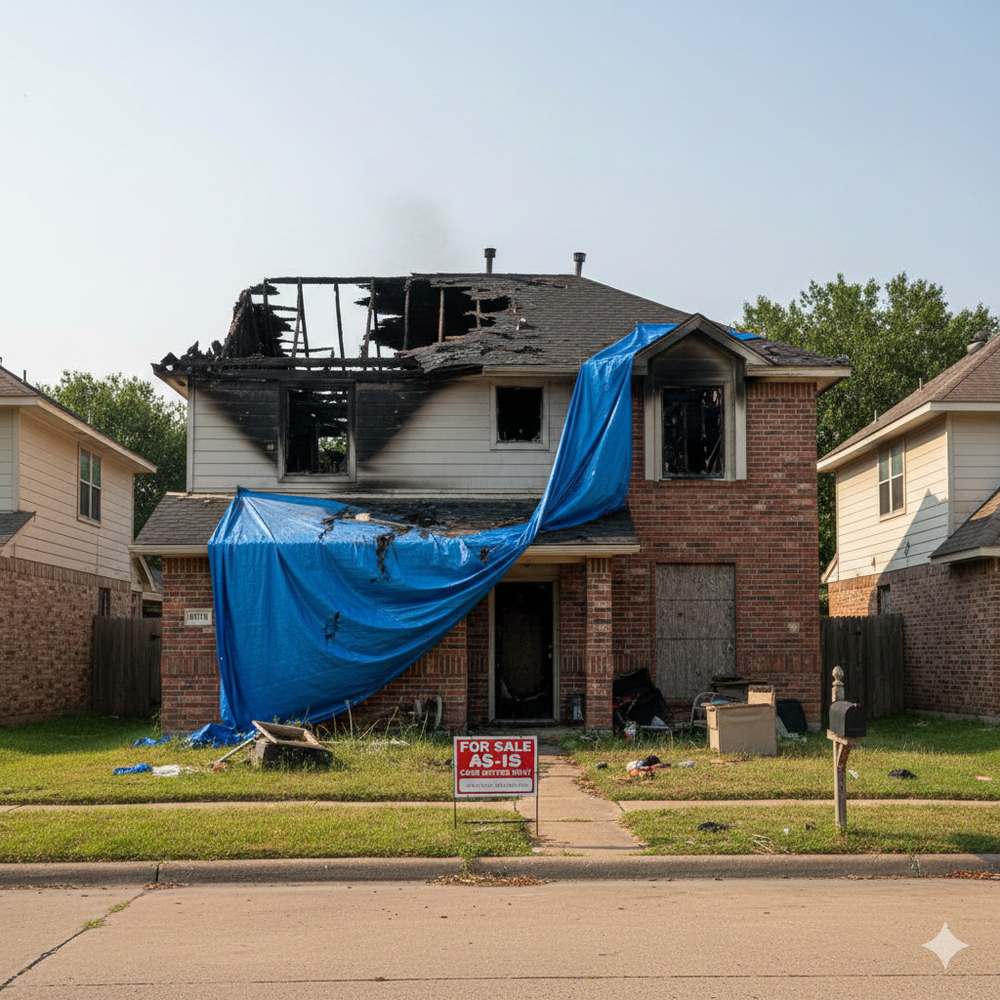
Why Sell a Fire-Damaged Home "As-Is"
There are several reasons why Houston homeowners choose to sell their house directly after fire damage rather than attempting a restoration:
📉 Low Market Value & Depreciation - Fire-damaged houses often have a significantly lower market value. On average, fire damage can result in a minimum reduction of 10% in a property’s market value—even after some repairs. Neglecting the property while waiting for insurance or funds can lead to further depreciation, making it even more challenging to sell at a desirable price.
⏳ Rebuild Times Take 12-18 Months - Restoring a fire-damaged house in Houston is a marathon. Depending on the destruction, the rebuild process typically ranges from 12 to 18 months. In Southeast Texas, adverse weather like heavy rain or tropical storms can further stall construction. Many homeowners find that they simply cannot wait over a year to have a habitable home again. Restoration often involves debris removal and cleanup, structural repair and reinforcement, smoke and soot elimination, water damage mitigation (from fighting efforts), and deodorization and sanitization.
💰 Repair Costs at All-Time Highs - With inflation and labor shortages, Houston repair costs are at record levels. While minor smoke cleanup might cost $3,000 to $5,000, major structural fire repairs often exceed $50,000 nationally. Between the type of fire, the size of your home, and the duration of the burn, the financial burden can be overwhelming if insurance doesn't cover every penny.
⚠️ Potential Contractor Issues - Unfortunately, "shady" contractor practices are common in the wake of disasters. While the Texas Residential Construction Liability Act (RCLA) offers some legal protections, homeowners are still at risk of poor documentation, insurance claim mishandling, and subpar work. Managing a complex restoration requires constant oversight that many homeowners aren't prepared for.
🧠 Restoration Doesn't Remove the Trauma - Physical repairs don't always fix the emotional toll. Living in a home that was once on fire can evoke distressing memories. Many owners report a "psychosomatic" smell of smoke that persists even after professional cleaning. Selling the property allows you and your family to find a fresh start in a space free from the reminders of the event.
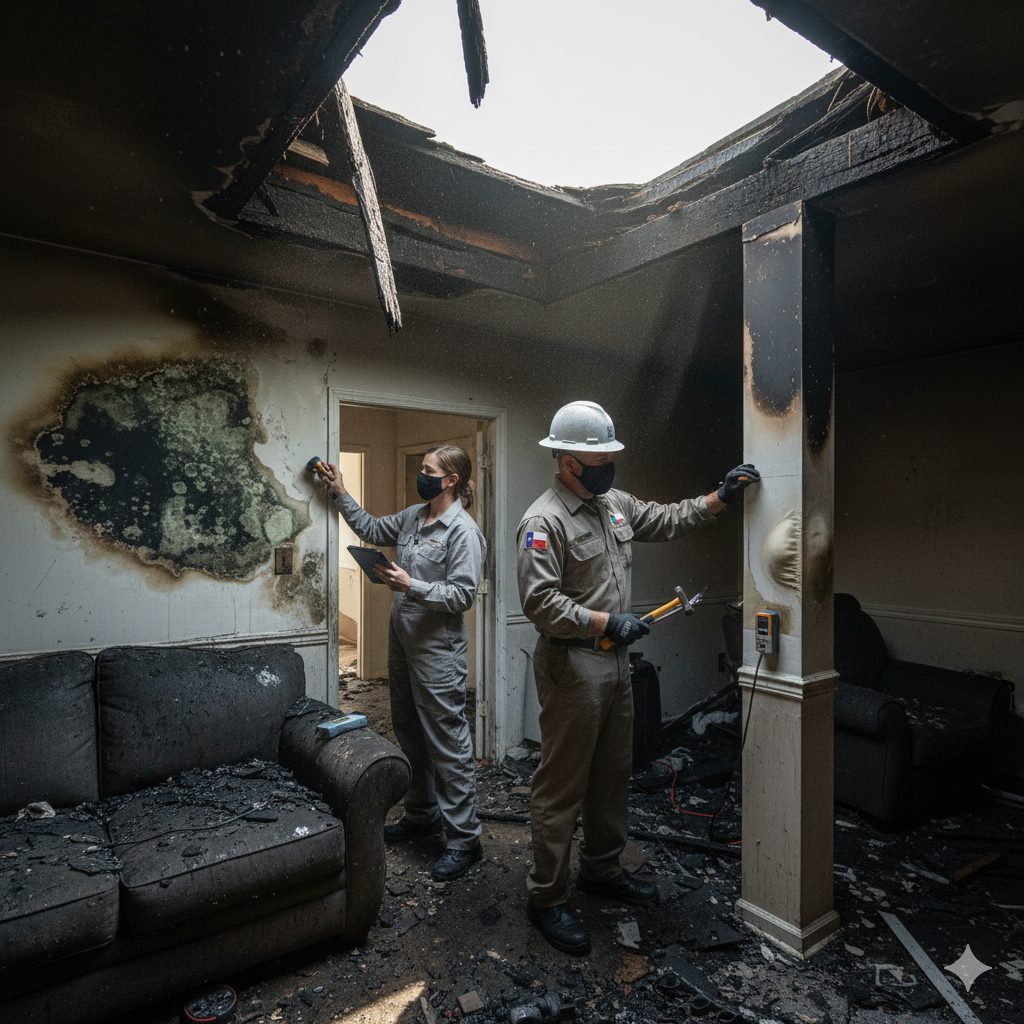
The Expertise You Need: Assessing the Fire Damage
After a fire, a property faces ongoing issues, and professional fire damage restoration is often needed to fix these problems. Knowing these factors helps homeowners understand their property's value. It also guides them on the best steps to sell, restore their home, or rebuild their home completely:
Weakened structural elements - charred walls and ceilings, potential water damage from firefighting efforst
Compromised electrical systems - melted wiring and electrical systems
Ongoing maintenance challenges - hidden damage. A professional fire damage assessment and deep inspection of the property shows if repairs is possible and how much it might cost.
We look beyond the surface to understand the true state of your property. Our team evaluates the critical pillars of fire damage:
Structural Integrity: This involves the "bones" of the house—the framing, foundation, and load-bearing walls. If the fire reached high enough temperatures, the structural integrity might be compromised, requiring a professional engineer's report.
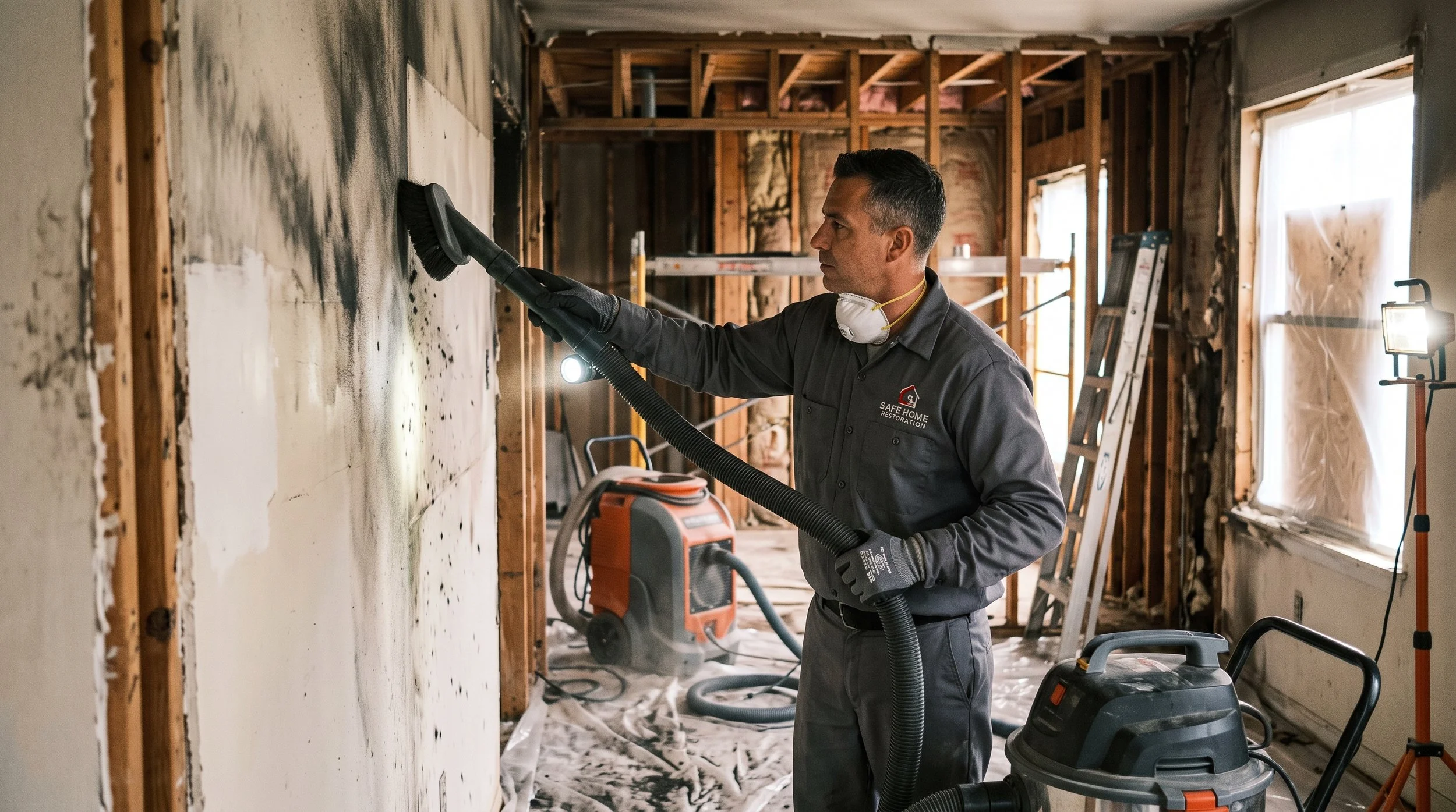
Smoke and Soot: Smoke can penetrate porous materials like drywall, wood, and insulation. Even if a room didn't burn, the acidic nature of soot can corrode pipes and damage electronics over time.
Water and Chemical Damage: Ironically, the efforts to put out the fire often cause as much damage as the fire itself. Thousands of gallons of water can lead to immediate mold issues, especially in Houston's climate.
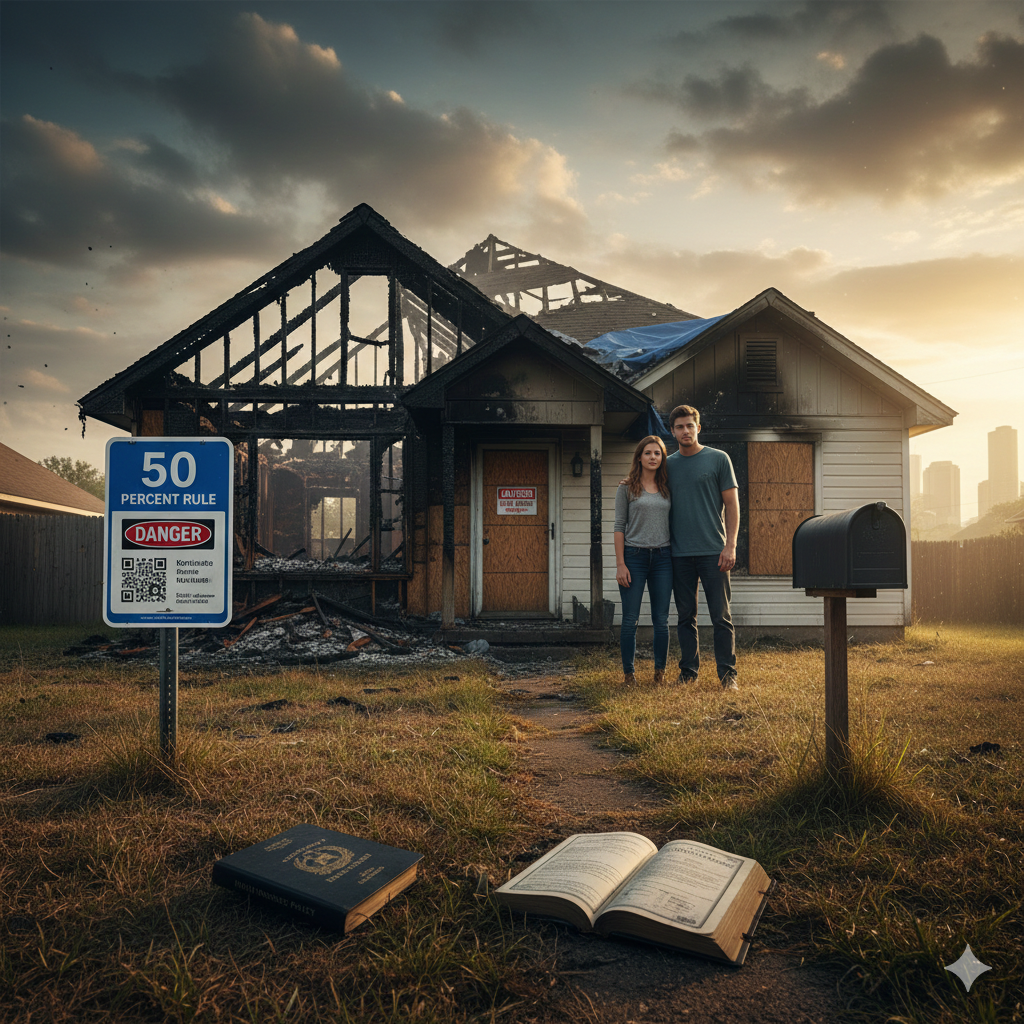
Understanding your Insurance Policy Coverage: Understanding your policy is vital.
Replacement Cost Value (RCV): Covers the cost to replace the items or repair the home at today's prices.
Actual Cash Value (ACV): Covers the value of the items minus depreciation. If your roof was 15 years old, they will only pay what a 15-year-old roof is worth, not the cost of a new one.
Key Steps after a House Fire
-

Safety first. Request the Fire Report
Do not enter until authorities say it’s safe. Watch for structural damage, exposed wiring, gas leaks.
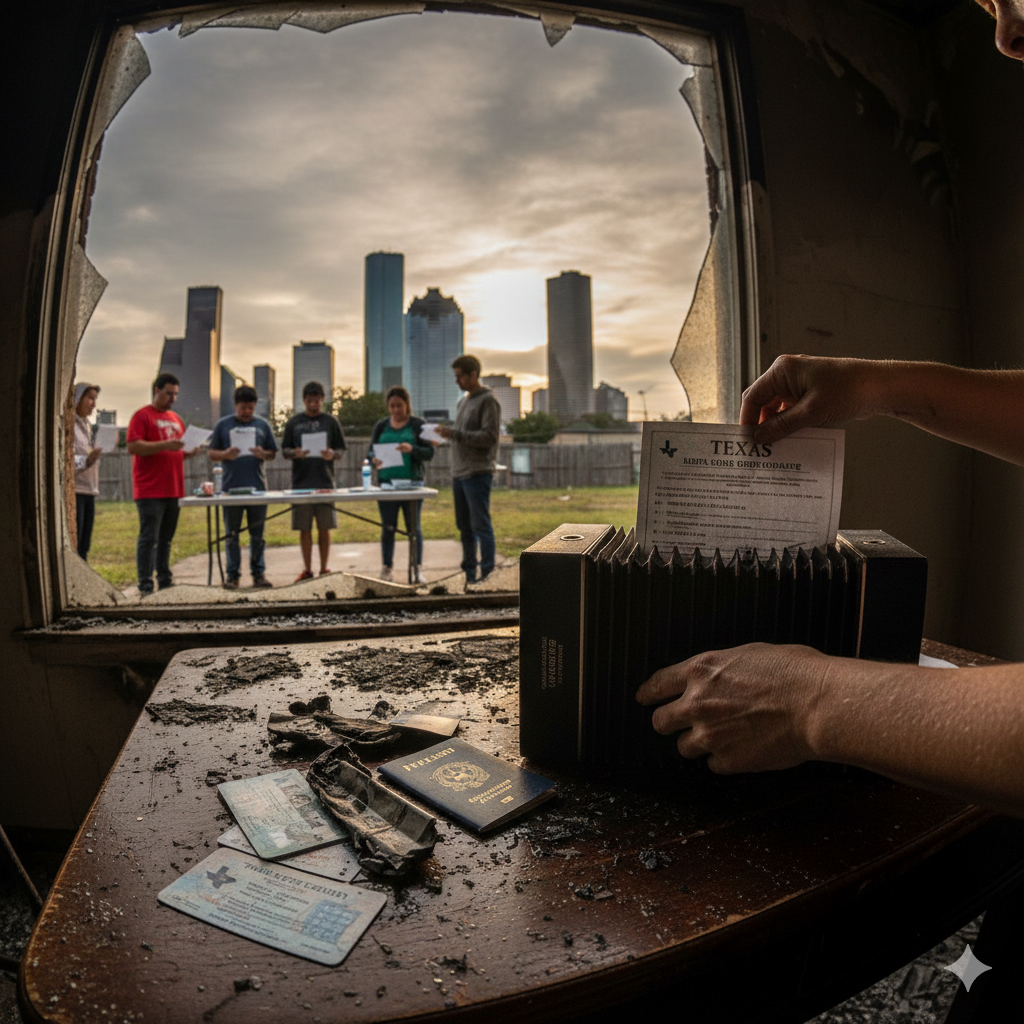
Secure the official report from the Houston Fire Department; this is a foundational document for both insurance and title.
-

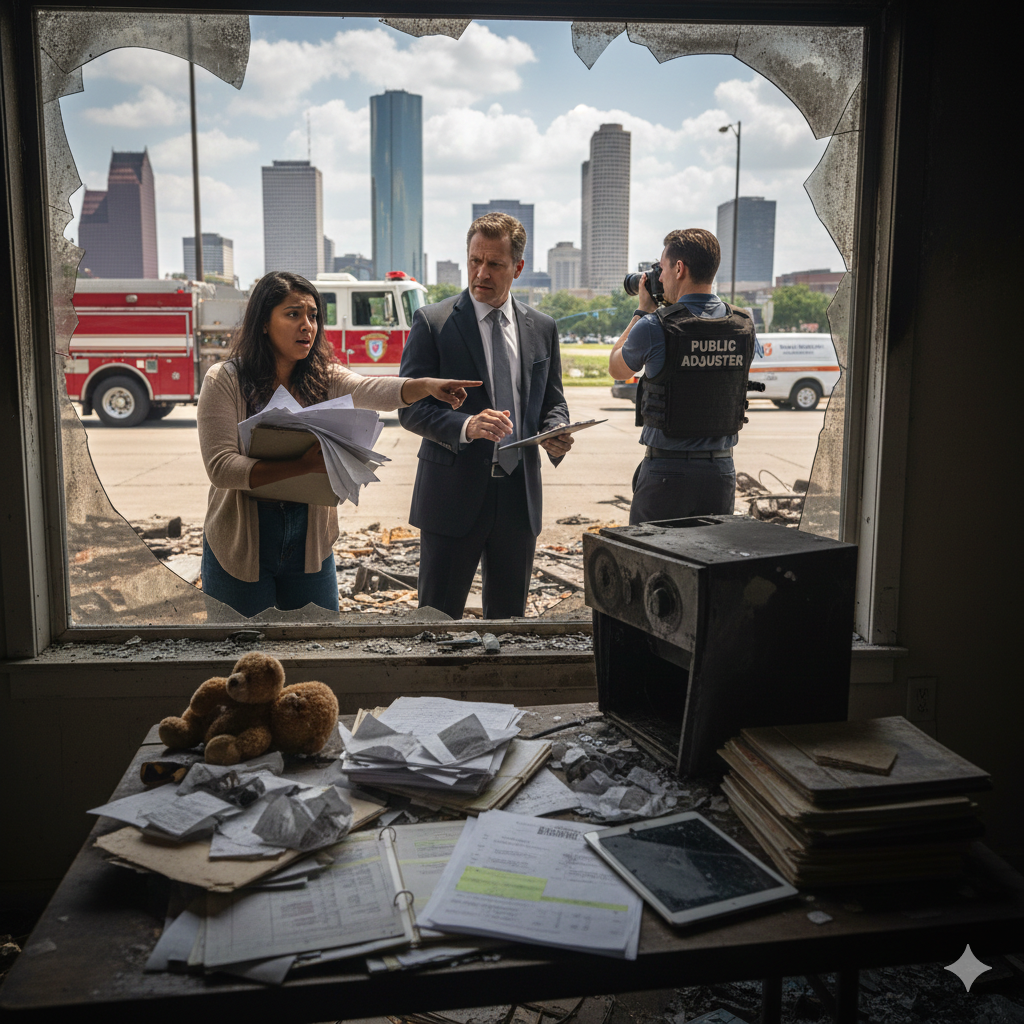
Document Everything
Take photos & videos of all damage. Capture exterior, interior, roof, attic, garage.
Do not throw anything away until the insurance adjuster has seen it. Take hundreds of photos—from structural beams to small pantry items.
-
Mitigate Further Loss
You have a "duty to mitigate" under most insurance policies. This means boarding up broken windows/doors, tarping roofs, shutting off utilities, to prevent vandalism or rain damage. Avoid permanent repairs until insurance approves.
In Houston, an unsecured fire-damaged home can quickly become a liability for squatters or further vandalism, which further decreases the property value.
-

File an insurance claim
File a claim ASAP & get the policy and claim number.
If you plan to sell the house as-is, you can often keep the insurance settlement and sell the damaged structure separately. This "double recovery" (the insurance check plus the sale price) often results in more money in the seller's pocket than if they had spent the time and money on a stressful renovation. Consider if the house is still insured, has an active mortgage, HOA or city requirements, etc.
-

Decide: Repair or Sell? Adhere to legal disclosure requirements:
Ask yourself: Can I afford repairs? Do I want to manage contractors? How long can I wait? Get fire restoration contractor estimates and a structural engineer as needed. When selling in Houston, you must comply with the Texas Property Code.
You are legally obligated to disclose any known defects, including previous fires, even if the damage has been repaired. Failing to disclose this can lead to massive legal liabilities and lawsuits long after the closing date. Being upfront about the extent of the fire, the repairs made, and providing any "passed" inspection certificates will build trust with potential buyers.
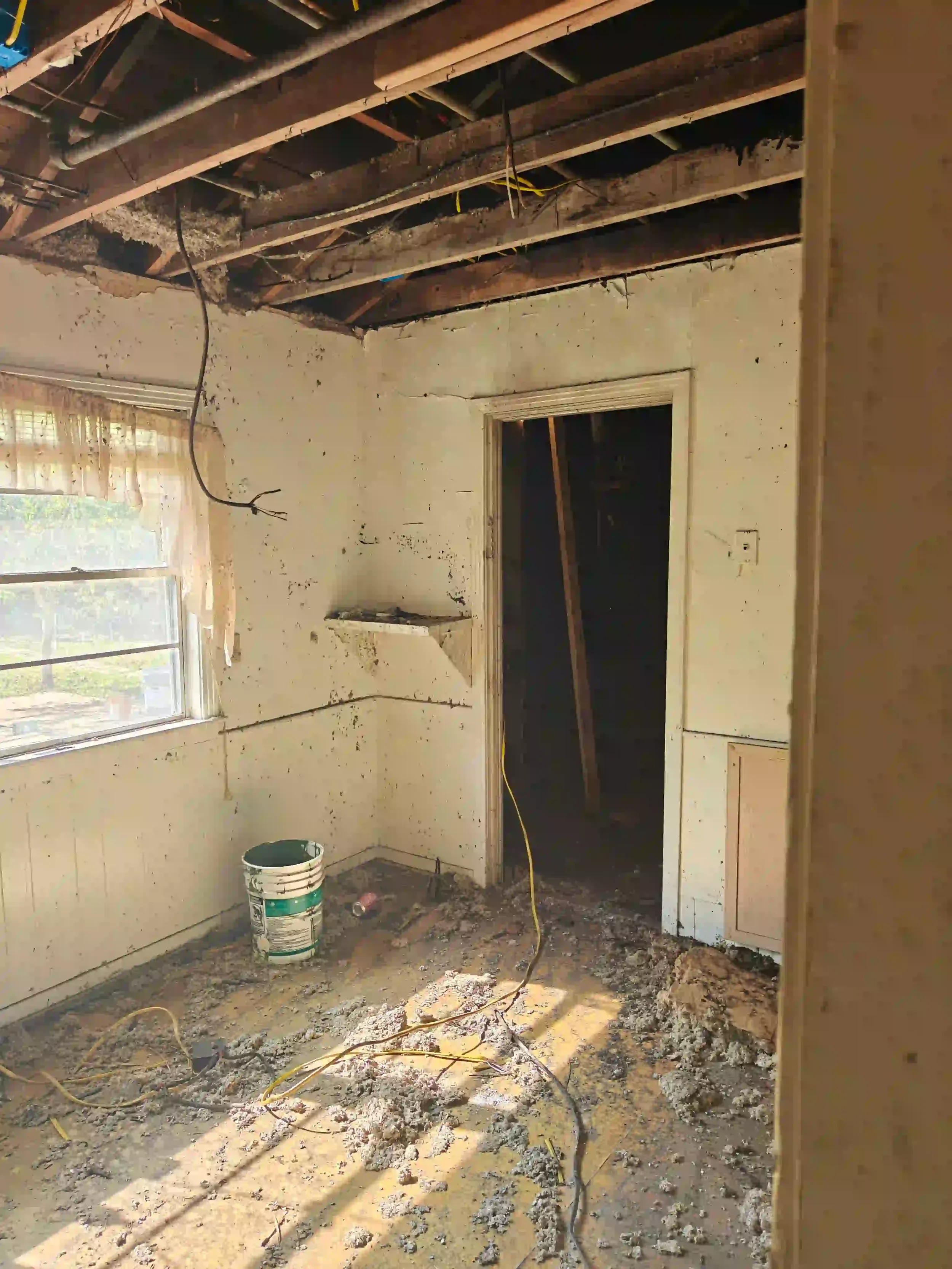
The Burden of Fire Damaged Homes in Houston
A fire damaged home comes with its own set of challenges:
The “Double Living Expense” Bleed – You are likely paying for temporary housing while still being legally responsible for the mortgage, property taxes, and insurance on a home you cannot live in.

The Contractor Chase – In the current Houston market, reputable restoration contractors are often backed up for months. A "simple" 3-month renovation can easily stretch into a year of permits, inspections, and delays.
Health and Safety Risks – Even after the flames are out, the property remains a liability. Lingering soot is acidic and can corrode wiring and plumbing, while water used by the fire department leads to rapid mold growth in Southeast Texas.
The Emotional Weight – Every time you visit the property to meet an adjuster or a contractor, you are retraumatized by the sight and smell of the loss.
we buy fire damaged houses
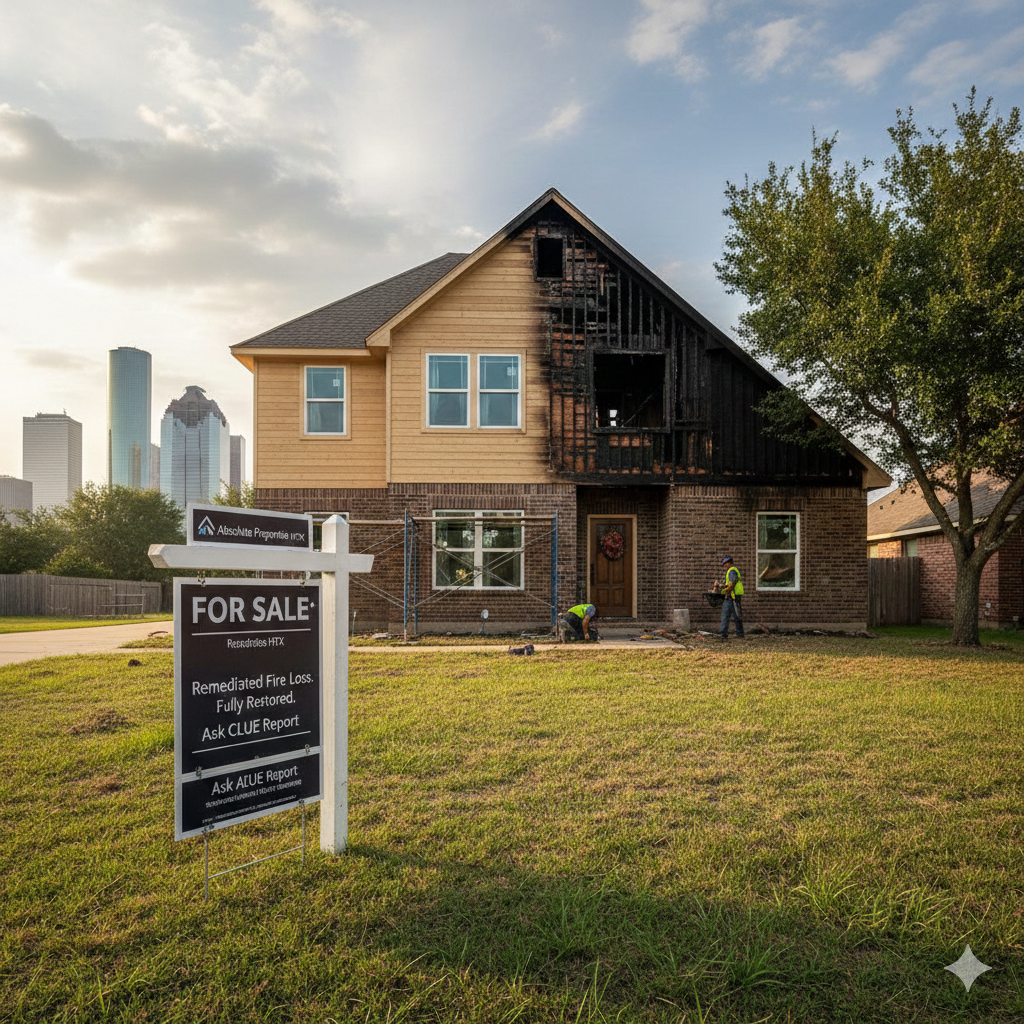
If you’re looking for a simple solution, Absolute Properties can help you fire damaged properties quickly and with zero hassle. We buy homes in any condition and offer a stress-free way to move on.
When you work with us, you’ll benefit from:
No-obligation Cash Offer
We’ll present a fair offer based on the real estate market and fair market value. Avoid any issues or delays or disclosure requirements that happen with an on-market listing.
No Repairs Required
An 'as-is' sale allows Houston homeowners to walk away from the heavy financial burden of fire repairs. Rather than spending tens of thousands on professional restoration, you can bypass the renovation process entirely and sell the property in its existing condition.
Fast Closings
Managing a fire-damaged property can be time-consuming and emotionally draining. Selling a fire-damaged house fast allows sellers to move on with their life without dealing with insurance claims or managing contractors.
Reduced Liability
One of the primary benefits of an as-is cash sale is the immediate reduction in seller liability. By disclosing the fire damage upfront, you transfer the risk to the investor, shielding yourself from potential legal claims or unexpected costs once the property has changed hands.
To Repair & List On the Market or Sell “As-Is” to a Cash Buyer?
-

No Repairs Needed
Leave the soot, debris, and structural issues to us.
Accurately pricing a fire-damaged property begins with a professional assessment from a restoration contractor. Because repair and smoke remediation costs can fluctuate wildly—ranging from a few thousand to tens of thousands of dollars—having a detailed estimate is essential to understanding your home's true 'as-is' value
-

Fast, Hassle-Free Closings
We cut through the red tape and repair costs.
Forget the 12-month rebuilds and hidden fees—we streamline the entire sale to get you to your fresh start faster. Selling a fire-damaged home as-is to a Houston cash buyer is often the fastest way to move forward without the stress of a traditional sale. Because we use our own capital rather than waiting on bank financing, we can skip the lengthy mortgage approval process.
-

Maximize Your Payout
Potential for higher profits.
Many homeowners find they walk away with more money by keeping their full insurance settlement and selling the "shell" of the house to us separately.
Easy Steps:
How we buy Houston Fire Damaged Homes
-

Call or Request an Offer
Share the address and ZIP Code. No obligation!
-

Cash Offer
We’ll research your property and call you back with a fair offer! Based on FMV and current real estate market conditions.
-

Close
Sign the purchase agreement, complete the title search, and close on your timeline. Get cash in your account at closing—close in as little as 7 days!
Sell Your Fire Damaged House in Houston -Fast & Hassle-Free
If you are ready to move on from a fire-damaged property, Absolute Properties is here to help you skip the stress of repairs and restoration. We make fast, fair cash offers for homes in any condition and can navigate the complexities of insurance claims or legal hurdles associated with fire-damaged real estate.
We buy fire-damaged homes across Texas—even those with significant structural issues—and can help you turn a property burden into immediate relief. We serve every ZIP Code in the Houston area.
Let’s Talk
FAQ ON About Selling a Fire Damaged House
Got more questions? See the rest of our Frequently Asked Questions!
-
Yes, it is perfectly legal to sell a fire-damaged house. However, you must comply with Texas disclosure laws. You cannot hide the fact that a fire occurred, even if you have painted over the smoke damage. As long as you are transparent and the buyer is willing to purchase the property in its current condition, the transaction can proceed like any other real estate deal.
-
It is very difficult. Standard lenders (like those for FHA, VA, or conventional loans) require the home to be in "habitable" condition. These government-backed loans have strict "habitability" requirements. If a house has fire damage, it likely won't pass an FHA appraisal, meaning you cannot sell to a traditional buyer unless they are using a specialized renovation loan like a 203(k) loan. This narrows your pool of buyers significantly to investors or cash buyers. Most buyers for these properties pay in cash or use "hard money" loans designed for renovations.
-
There is no single percentage, but typically, a fire-damaged home sells for the "After Repair Value" minus the cost of repairs, minus a "risk premium" (usually 15-20%). Because the buyer is taking on the uncertainty of what might be hidden behind the walls, they require a discount to make the project worthwhile.
-
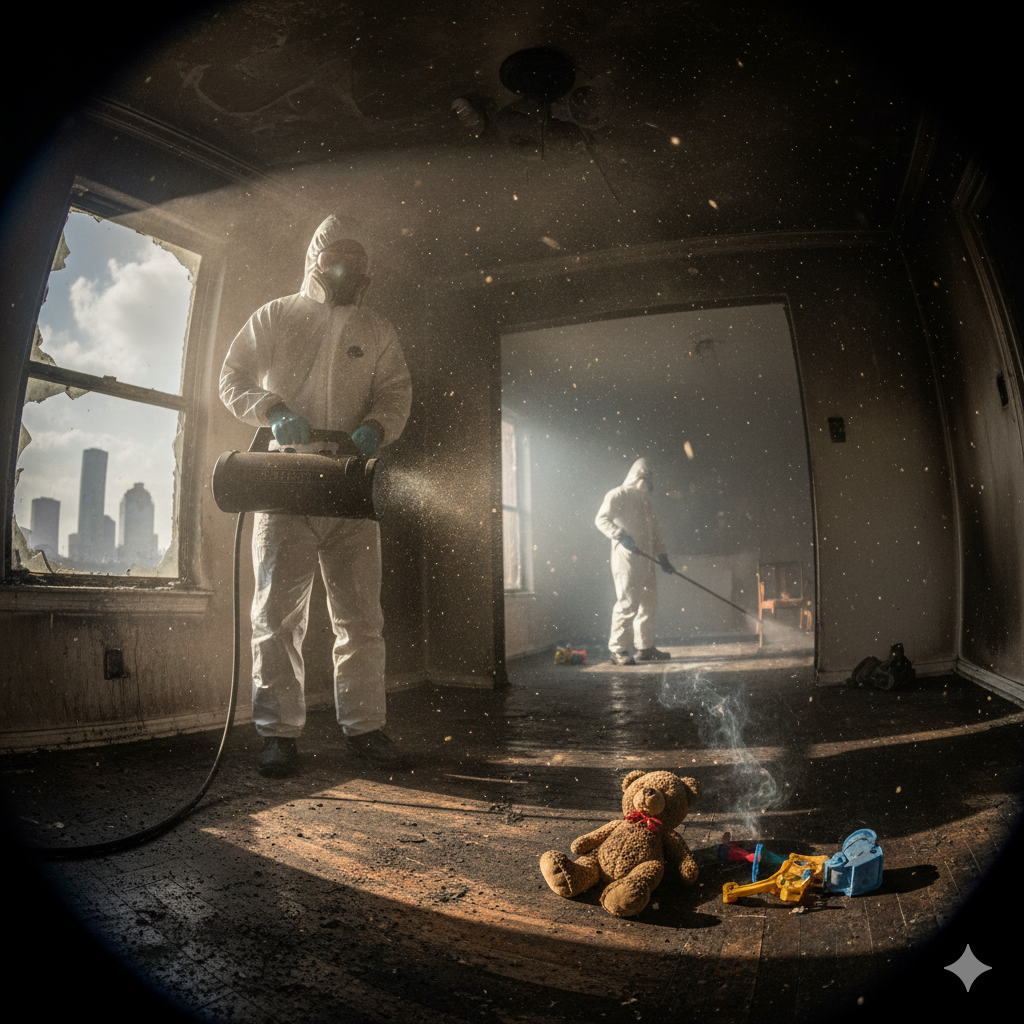
If you are selling to a cash buyer or investor, don't waste your money. They will likely strip the house to the studs anyway. If you are trying to sell to a traditional buyer for a minor fire, you may need professional ozone treatments or thermal fogging to remove the scent, as standard cleaning products won't work.
-
You are still legally responsible for your mortgage payments even if the house is uninhabitable. Usually, your insurance check will include the name of your mortgage lender. You will have to work with them to either pay off the loan or ensure the funds are used for repairs. Selling the property quickly to a cash buyer can help you pay off the mortgage and move on without the burden of monthly payments on a dead asset.
-
Many homeowners discover that instead of enduring a long rebuild, it's more beneficial to use their insurance proceeds to liquidate their mortgage entirely. By combining your construction and content settlements with a cash offer from us, you can pay off your loan balance and potentially walk away with enough capital to purchase your next home in cash.
Success Stories
We work with sellers all over Houston to sell their properties quickly and for a fair price. Check out our reviews:
we’re proud to buy Fire Damaged Houses all over houston
Sell My House Fast Baytown - local cash buyers for homes in any condition
Sell My House Fast Conroe - from inherited homes to fixer uppers
Sell My House Fast Cypress - whether you’re relocating or avoiding costly repairs.
Sell My House Fast Deer Park- without listings, stagings, or showings and open houses
Sell My House Fast Humble - cash in hand, skip the hassle and sell on your timeline
Sell My House Fast Katy - for a fair cash offer and a quick closing
Sell My House Fast Pasadena - regardless of condition or needed repairs
Sell My House Fast Spring- during foreclosure, relocation, or financial hardship
Sell My House Fast Sugar Land - to trusted local cash home buyers
Sell My House Fast Tomball - a faster way than listing with an agent
Sell My House Fast The Woodlands - without realtor fees or long delays
And see ALL the neighborhoods and citieswhere we purchase homes!
want to find out more about how wE Buy Fire Damaged houses?
Read our latest blog posts about how we buy fire damaged for cash.
Get Your FREE Cash Offer
A direct sale of your house to Absolute Properties, is the easiest, most straightforward way to sell your house in Houston. Not only will we pay you a great price, but we will also close on the property as quickly as you need us to. Working with a professional cash home buyer in Houston can help you save a lot of money and time when trying to sell your house fast.
Keep in mind, that not all buyers are the same. Don’t sign any contracts until you understand exactly what you will receive and how the process will work. You don’t want to find that you are dealing with fees or wasted time that you hadn’t planned for.
By clicking “Submit,” you agree to receive calls & SMS; standard data rates apply.
We value your privacy and top-notch customer service.