5 Insurance Mistakes That Can Ruin Your Fire Damage Claim
Reviewed by Mark Lee
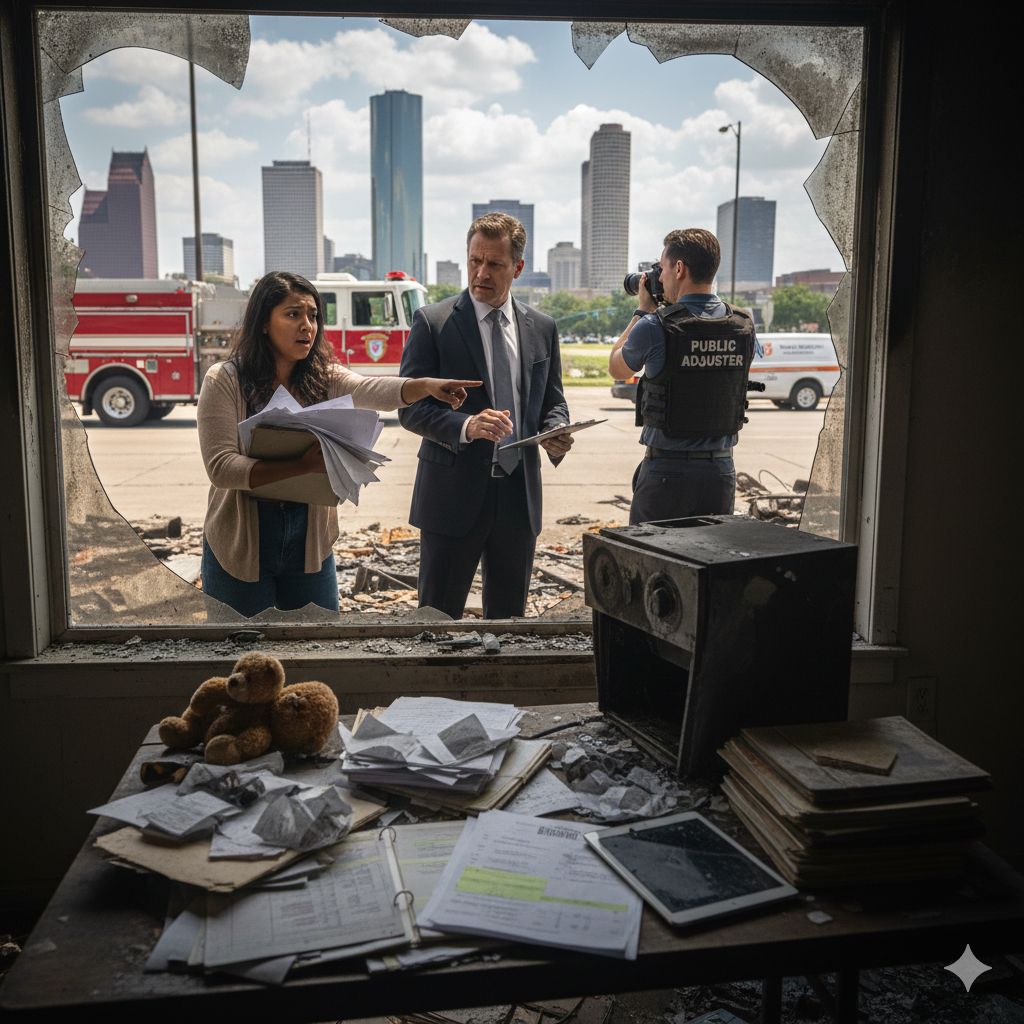
Look, I’ve been around the Houston real estate block more times than I can count, and if there is one thing that keeps homeowners up at night—besides the property tax appraisal—it’s the fear of a house fire. But here’s the kicker: the fire itself is just the beginning of the headache. The real battle often starts when you pick up the phone to call your insurance company.
I’ve seen folks in Clear Lake, Cypress, and the Heights lose out on tens of thousands of dollars because they tripped over the fine print. Dealing with insurance adjusters is like playing a high-stakes poker game where the other side knows your hand and the house always has the edge. If the stress of the claim is too much and you just want to sell my house fast Houston and walk away with your sanity intact, I totally get it. But if you’re going to fight for every penny, you cannot afford to make these five common blunders.
1. Waiting Too Long to Secure the Property and Document the Chaos
The moment the fire trucks pull away, the clock starts ticking. A lot of Houstonians think they should wait for the insurance adjuster to show up before they touch anything. That is a massive mistake. In fact, most Texas homeowners' policies have a "mitigation of damages" clause. This basically says if you let the house get worse—like letting rain pour into a hole in the roof or letting looters walk off with your copper pipes—the insurance company isn't paying for that extra damage.
You need to board up the windows and tarp the roof immediately. But before you move a single piece of charred furniture, take a thousand photos. I’m not kidding. Every drawer, every closet, every corner of the garage. If you don't have a digital footprint of what you lost, the insurance company will default to the cheapest possible replacement value. They aren't your friends; they are a business looking to minimize their payout.
The "Silent" Water Damage
In Houston, the humidity is our constant shadow. When the fire department douses your home with water, they’ve saved the structure but potentially invited mold to a housewarming party. If you don't document the standing water immediately, the adjuster might try to claim that the mold was a "pre-existing condition" due to our swampy climate. Don't give them that opening.
Secondary Loss Documentation
It's not just the stuff that burned. It's the stuff that smells. Smoke damage is incredibly invasive. If your expensive leather sofa smells like a campfire, it’s a loss. Take photos of the soot patterns on the walls and the discoloration in the vents. This "invisible" damage is where many claims lose their teeth because the homeowner didn't prove the reach of the smoke.
2. Taking the First Settlement Offer Without a Fight
Here is a little secret from the real estate world: the first offer from an insurance company is almost always a "lowball." They want to see if you’re desperate enough or tired enough to just sign the check and go away. I’ve seen initial offers that were 30% to 40% lower than the actual cost of rebuilding in today’s Houston market.
Construction costs in Texas have skyrocketed over the last couple of years. The price of lumber, labor, and even basic wiring is way up. If your adjuster is using "standard" pricing from a database that hasn't been updated since 2022, you’re going to be short-changed. You need to get your own independent bids from local contractors who understand the current costs of building in Harris County.
The Replacement Cost vs. Actual Cash Value Trap
Check your policy right now. Do you have Replacement Cost Value (RCV) or Actual Cash Value (ACV)? If you have ACV, the insurance company will deduct depreciation from everything. That 10-year-old roof? They’ll only pay what it’s worth today (which isn't much). If you have RCV, they owe you enough to actually buy a new one. Knowing which one you have determines how hard you need to push during negotiations.
Hiring a Public Adjuster
If the gap between what you need and what they’re offering is massive, you might want to look into a Public Adjuster. These guys don’t work for the insurance company; they work for you. According to the Texas Department of Insurance, public adjusters are licensed professionals who can negotiate on your behalf. They take a percentage of the settlement, but they often find enough "missed" damage to more than cover their fee.
3. Cleaning Up Too Fast and Throwing Away Evidence
I get the urge to clean. You want the smell out, you want the soot gone, and you want to start over. But if you throw away that melted laptop or the charred remains of your designer wardrobe before the adjuster sees them, you can kiss that reimbursement goodbye.
Insurance companies require "proof of loss." A photo is good, but the physical item is better. Create a "burn pile" in the yard or a corner of the garage. Let the adjuster see the physical wreckage. It’s much harder for them to deny the value of a high-end appliance when the melted husk of it is sitting right in front of them.
Detailed Inventory Management
This is the part everyone hates. You have to list every single thing that was damaged. And I mean everything. "Toaster - $50." "Box of 500 Q-tips - $4." If you just write "kitchen items - $500," the insurance company will write you a check for $200 and call it a day. You have to be granular.
Professional Smoke Cleaning Receipts
If you try to scrub the soot off the walls yourself, you might actually be damaging the surfaces further and "setting" the smell. If you do hire a professional cleaning crew, keep every single receipt. If the insurance company sees you spent $3,000 on professional soot remediation, they are much more likely to cover that cost than if you just tell them you "spent a lot on cleaning supplies."
4. Failing to Account for "Additional Living Expenses" (ALE)
When your house catches fire in Houston, you can't exactly just stay there. You’re looking at hotels, Airbnbs, or a short-term rental. This is covered under "Additional Living Expenses" (ALE), but people consistently fail to track this correctly.
ALE is designed to cover the difference in your cost of living. If you normally spend $600 a month on groceries but now you’re forced to eat out at restaurants because you don't have a kitchen, the insurance company owes you that difference. But they aren't just going to hand you a lump sum. They want receipts for every taco, every hotel stay, and even the extra gas you’re using to drive further to work.
The "Like Kind and Quality" Rule
If you lived in a 4-bedroom house in Katy, the insurance company shouldn't be sticking you in a tiny 1-bedroom motel on I-45. You are entitled to a "like kind and quality" living situation. Don't let them push you into a living situation that is significantly below your standard of living just to save them a few bucks on the claim.
Tracking the "Hidden" Costs
Did you have to board your dog because the hotel wasn't pet-friendly? That’s an ALE. Did you have to pay for a laundry service because you don't have a washer/dryer? That’s an ALE. These little things add up to thousands of dollars over the course of a 6-month rebuild. According to United Policyholders, a non-profit advocate for insurance consumers, tracking ALE is one of the most overlooked parts of the recovery process.
5. Misunderstanding the "Ordinance or Law" Coverage
This is the big one that catches Houstonians off guard. Let’s say your 1970s ranch house in Meyerland has a fire. When you go to rebuild, the city inspector tells you that you have to upgrade the entire electrical system to meet the 2026 codes. That upgrade might cost an extra $15,000.
Standard insurance policies only pay to put the house back the way it was. They won't pay for the upgrades required by law unless you have "Ordinance or Law" coverage. If you don't have this rider on your policy, you could be stuck paying out-of-pocket for thousands of dollars in mandatory code upgrades just to get your building permit.
The Houston Permitting Maze
The City of Houston is notorious for its complex permitting process. If your home is in a floodplain (and let's be honest, half of Houston is), there are even stricter rules about how you can rebuild after major damage. If your claim doesn't account for these legal requirements, you’re going to run out of money halfway through the project.
Structural Integrity Inspections
Don't just take the word of the insurance company's engineer. They are paid to say the house is "repairable." If you suspect the foundation was cracked by the heat or the structural steel was compromised, hire your own structural engineer. It might cost you $500 to $1,000, but if they find structural damage the insurance company "missed," it could save you $50,000 in future repairs.
FAQ: Navigating Fire Claims in Houston
Can I settle my fire claim and sell the house without fixing it?
Absolutely. In fact, many people choose this route to avoid the stress of a year-long rebuild. You can take the insurance payout and sell the property in its current state to a cash buyer. This allows you to move on immediately rather than acting as a project manager for a construction site.
How long does an insurance company have to pay a claim in Texas?
Texas has "Prompt Payment" laws. Generally, an insurer has 15 days to acknowledge your claim and 15 business days to accept or reject it after receiving all requested information. Once they agree to pay, they typically have 5 business days to send the check. However, major disasters (like a massive wildfire or hurricane) can extend these deadlines.
What happens if my insurance payout isn't enough to cover my mortgage?
This is a tough spot. If the house is a total loss and the payout is less than you owe, the money goes to the mortgage company first. This is why having "Guaranteed Replacement Cost" coverage is so vital in a rising real estate market like Houston's.
Should I talk to the insurance company's "preferred" contractors?
Be careful. These contractors have a pre-existing relationship with the insurance company. While they are often vetted, their primary goal is to keep costs low for the insurer. Always get at least two independent bids from contractors who have no tie to your insurance carrier to ensure the numbers are honest.
Does smoke damage count as a "fire" claim?
Yes. In the eyes of insurance, smoke is a direct byproduct of fire. Even if the flames never touched a specific room, the soot and odor damage are covered. Don't let an adjuster tell you that "cleaning" is all that's required if the smoke has permeated the drywall or insulation.
Conclusion: Don't Let the Paperwork Burn You Twice
A house fire is a trauma, plain and simple. It’s hard to think straight when your life has been turned upside down. But the decisions you make in the first 30 days of a claim will dictate your financial health for the next ten years. Take the photos, keep the receipts, and don't be afraid to push back when something doesn't feel right.
The Houston market is resilient, and your property value can recover, but only if the remediation is done correctly and the claim is handled with a "business-first" mindset. If you’re feeling overwhelmed and the insurance company is dragging their feet, remember that you have options. You don't have to be a victim of the process.

How Absolute Properties Helps Houston Sellers
Absolute Properties makes it easy for Houston homeowners to sell fast - even when facing challenges like financial difficulties, inherited properties, troublesome tenants, or repairs.
If you’re thinking, “I need to sell my house fast in Houston…” We buy houses in Houston in any situation or condition!
As-is, fast cash offers with clear terms
Many closing costs covered; no realtor commissions in most cases
You choose the closing date (as little as 7 days, case-dependent)
Coordination with experienced title company for a compliant sale process
Call or text: (713) 230-8059
Email address: info@absolutepropertieshtx.com
Share your street address and timeline for a free consultation and a straightforward number no pressure.
Helpful Houston Blog Articles
How To Sell Your House in Houston Without Sinking Any More Money Into It
6 Tips For First Time Home Sellers in Houston
Hiring an Agent Vs. A Direct Sale to Absolute Properties When Selling Your House in Houston
Who Pays Closing Costs in Texas
The True Costs of An FSBO Listing for Houston Investors
What To Do With Your Expired Listing in Houston
Also check out our Free Guides & Education & FAQ for more education on how to sell your house for cash quickly to a local home buyer.