What Is Probate? How the Probate Process Works in Texas
Reviewed by Mark Lee
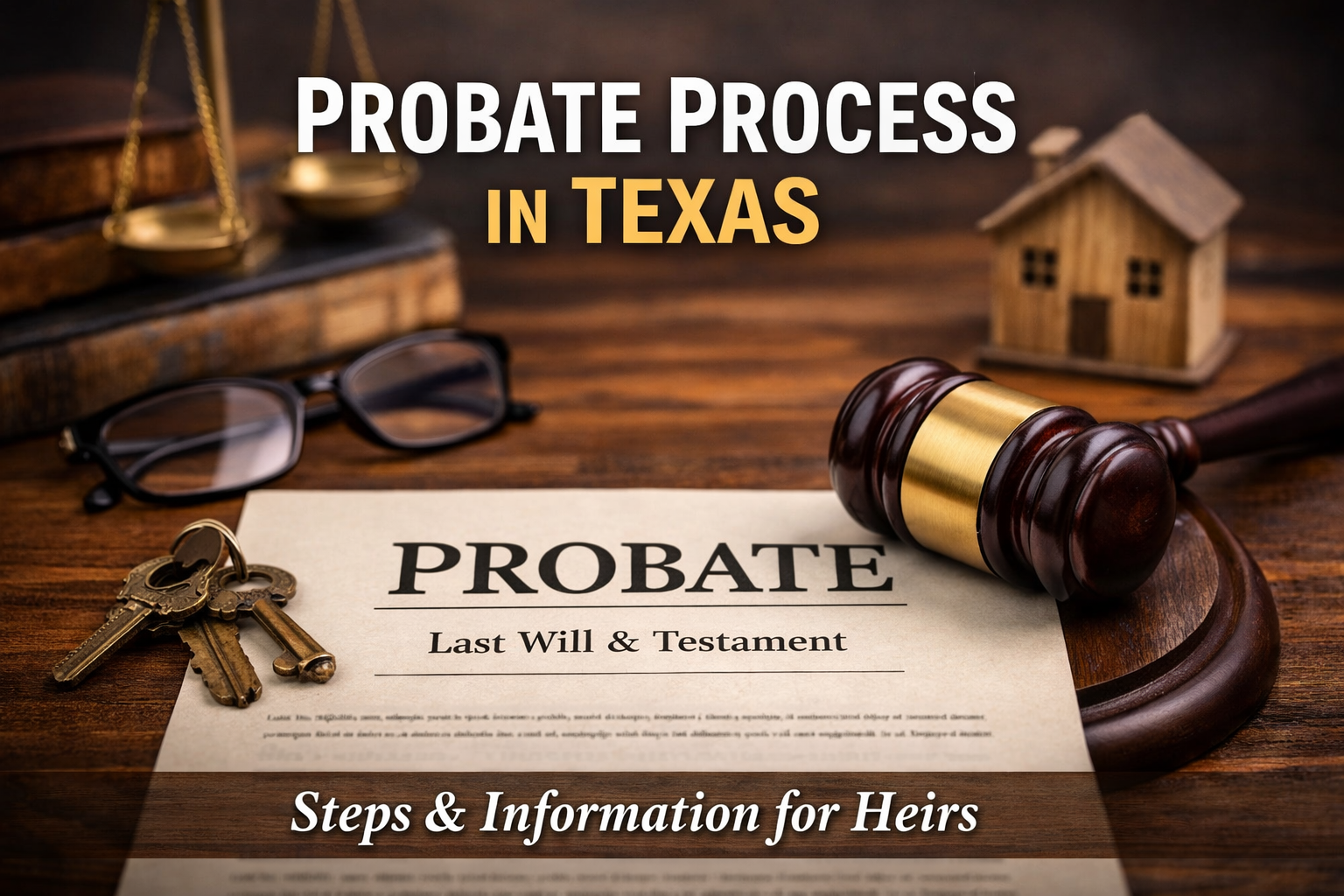
When a loved one passes away, their family is often left not only with emotional loss but also legal responsibilities. One of the most common — and confusing — processes families face is probate. If you’ve inherited property or are responsible for settling an estate in Texas, understanding probate can save you time, stress, and costly mistakes.
In many cases, heirs choose to sell an inherited home rather than manage it long-term. That’s why many families turn to We Buy Houses Houston home buyers during probate — especially when the property needs repairs, has liens, or multiple heirs are involved.
This guide breaks down what probate is, how the Texas probate process works, how long it takes, and what options heirs have, including selling a probate property.
What Is Probate?
Probate is the legal process used to validate a deceased person’s will, settle debts, and distribute remaining assets to heirs or beneficiaries. If someone dies owning property in their name alone, probate is usually required before that property can be sold or transferred.
In Texas, probate is handled through the county court where the deceased person lived at the time of death. The court oversees the process to ensure assets are distributed legally and creditors are paid appropriately.
Probate does not automatically mean long court battles or high costs. Texas probate laws are actually more streamlined than many other states — especially when the estate is well-planned.
When Is Probate Required in Texas?
Probate is typically required when:
The deceased owned real estate solely in their name
There is a valid will that needs court approval
Assets exceed what can be transferred via affidavit
Title companies require court authority to sell property
Probate may not be required if:
The property was held in a living trust
The home was jointly owned with rights of survivorship
A Transfer on Death Deed (TODD) was recorded
The estate qualifies for a Small Estate Affidavit
Every estate is different, which is why understanding the process matters before attempting to sell or transfer property.
Types of Probate in Texas
Texas offers multiple probate paths depending on the estate size, assets, and whether there is a will.
Independent Administration (Most Common)
This is the simplest and fastest option. The executor operates independently with minimal court involvement. Most Texas wills request independent administration.
Dependent Administration
Requires court approval for nearly every action. This process is slower and more expensive but is sometimes required when disputes exist.
Muniment of Title
Used when there are no unpaid debts (except a mortgage). This option allows property title to transfer without full probate administration.
Small Estate Affidavit
Available when the estate value is under $75,000 (excluding homestead) and there is no will.
Texas Probate PRocess Step by Step
The probate process in Texas begins with filing an application for probate with the appropriate county court. This application must be filed within four years of the decedent's death, though it's best to begin the process as soon as practical. The application includes the original will (if one exists), a death certificate, and information about the deceased's assets and potential heirs.
After filing, there's a mandatory two-week waiting period before the court can hold a hearing. During this time, the court posts a notice at the courthouse informing the public that probate proceedings have begun. This posting serves to notify potential creditors and unknown heirs about the estate proceedings, giving them an opportunity to make claims if necessary.
At the probate hearing, the court validates the will and officially appoints an executor (if there's a will) or an administrator (if there's no will). The appointed person receives "letters testamentary" or "letters of administration," which serve as official documentation of their authority to act on behalf of the estate. These letters are essential for accessing bank accounts, selling property, and conducting other estate business.
Once appointed, the executor must notify all beneficiaries and known creditors about the probate proceedings. Texas law requires publishing a notice to creditors in a local newspaper, giving them opportunity to file claims against the estate. The executor must also complete an inventory, appraisement, and list of claims within 90 days of appointment, detailing all estate assets and their values.
Managing the estate involves collecting all assets, maintaining property, paying valid debts and taxes, and keeping detailed records of all transactions. The executor has a fiduciary duty to act in the best interests of the estate and its beneficiaries, which includes prudently managing assets and avoiding conflicts of interest. This responsibility continues throughout the probate process, which typically takes six months to a year for straightforward estates.
Timeline and Costs of
Probate in Texas
The duration of probate in Texas varies significantly based on the estate's complexity and whether disputes arise. Simple estates with clear wills and cooperative beneficiaries often complete probate in six to nine months. However, estates with multiple properties, business interests, or contested issues can take eighteen months or longer to resolve fully.
Several factors can extend the probate timeline. Disputes among beneficiaries, challenges to the will's validity, difficulty locating heirs, or complex tax situations can all cause delays. Additionally, if the estate includes real estate that must be sold, market conditions and buyer availability can impact the timeline. Creditor claims must also be resolved before distribution, and if substantial debts exist, this process can take considerable time.
Probate costs in Texas include court filing fees, attorney fees, executor compensation, appraisal costs, and various administrative expenses. Court filing fees typically range from $300 to $800 depending on the county and type of proceeding. Attorney fees vary widely but often range from $3,000 to $10,000 for straightforward estates, with complex estates requiring substantially higher legal fees.
The executor is entitled to compensation for their services, typically around 5% of the estate's value for independent administration. Additional costs include property appraisals, accountant fees for tax preparation, property maintenance during probate, and costs for publishing required notices. These expenses are paid from the estate before distribution to beneficiaries, reducing the amount ultimately available for inheritance.
Can You Sell a House During Probate in Texas?
Yes — probate properties can be sold, but only with proper legal authority. Real estate often represents the most valuable asset in a Texas estate, making its handling during probate particularly important. The executor has several options for managing real property, including maintaining it for eventual distribution to heirs, renting it to generate income for the estate, or selling it to pay debts or facilitate distribution among multiple beneficiaries.
Selling real estate during probate requires careful consideration of market conditions, the estate's financial needs, and beneficiaries' wishes. In independent administration, the executor can typically sell property without court approval if the will grants that authority. However, in dependent administration, court approval is required for any real estate sale, adding time and complexity to the transaction.
Property maintenance during probate presents ongoing challenges and expenses. The executor must ensure properties remain insured, pay property taxes, maintain utilities, and address any necessary repairs. These carrying costs can strain estate resources, particularly if probate extends for many months. For estates with limited liquid assets, selling real estate quickly may be necessary to cover these expenses and other estate obligations.
Title issues can complicate real estate transactions during probate. Potential buyers may be hesitant to purchase probate property due to concerns about clear title or the possibility of unknown heirs appearing later. Title insurance companies may require additional documentation or impose special requirements for probate property transactions. Working with experienced professionals familiar with probate real estate transactions helps navigate these complexities successfully.
Who can sell:
The executor named in the will
A court-appointed administrator
Key requirements:
Letters Testamentary or Letters of Administration
Clear title or court authorization
Agreement from heirs (in some cases)
Common Probate Challenges in Texas
Probate can become complicated when:
One heir lives in the property
Property has back taxes or liens
The home is in poor condition
The will is contested or unclear
These situations often stall traditional listings, making off-market sales more practical.
Texas Probate Costs Explained
Probate costs vary, but typically include:
Attorney fees (often 2–5% of estate value)
Court filing fees
Executor compensation
Property maintenance costs
Selling an inherited home quickly can reduce carrying costs like insurance, taxes, utilities, and HOA fees.
What Happens If There Is No Will? (Intestate Probate)
When someone dies without a will, Texas intestacy laws determine who inherits.
Common outcomes:
Spouse and children split assets
Children inherit equally
Extended family inherits if no immediate relatives exist
Intestate probate often takes longer and increases the risk of disputes.
FAQ: Texas Probate Explained
How much does probate cost in Texas?
Costs typically range from a few thousand dollars to a percentage of the estate, depending on complexity.
Can probate be avoided in Texas?
Yes, through trusts, TODDs, joint ownership, or beneficiary designations.
Can heirs sell a house before probate is complete?
Only if they have court authority or the property qualifies for a simplified process.
Do all estates have to go through probate?
No. Many estates avoid probate entirely with proper planning.
Is probate public record in Texas?
Yes, probate filings are public and accessible through county courts.
Final Thoughts: Navigating Probate in Texas
Understanding the probate process in Texas helps families navigate this challenging time more effectively. While probate can seem complex, working with experienced professionals, including attorneys, real estate agents, and financial advisors, ensures the process moves forward smoothly and efficiently. For those dealing with inherited property, knowing your options and understanding the timeline helps in making informed decisions about whether to keep, rent, or sell real estate assets during or after probate.
The key to successful probate administration lies in organization, communication, and patience. Maintaining detailed records, keeping beneficiaries informed, and working with qualified professionals minimizes delays and disputes. While the process requires time and attention to detail, proper handling ensures the deceased's wishes are honored and assets are distributed according to Texas law.
Helpful External Resources
Texas Judicial Branch – Probate Overview
https://www.txcourts.gov/forms/probate/Texas Estates Code (Probate Law)
https://statutes.capitol.texas.gov/Docs/ES/htm/ES.201.htm

How Absolute Properties Helps Houston Sellers
Absolute Properties makes it easy for Houston homeowners to sell fast - even when facing challenges like financial difficulties, inherited properties, troublesome tenants, or repairs.
If you’re thinking, “I need to sell my house fast in Houston…” We buy houses in Houston in any situation or condition!
As-is, fast cash offers with clear terms
Many closing costs covered; no realtor commissions in most cases
You choose the closing date (as little as 7 days, case-dependent)
Coordination with experienced title company for a compliant sale process
Call or text: (713) 230-8059
Email address: info@absolutepropertieshtx.com
Share your street address and timeline for a free consultation and a straightforward number no pressure.
Helpful Houston Blog Articles
How To Sell Your House in Houston Without Sinking Any More Money Into It
6 Tips For First Time Home Sellers in Houston
Hiring an Agent Vs. A Direct Sale to Absolute Properties When Selling Your House in Houston
Who Pays Closing Costs in Texas
The True Costs of An FSBO Listing for Houston Investors
What To Do With Your Expired Listing in Houston
Also check out our Free Guides & Education & FAQ for more education on how to sell your house for cash quickly to a local home buyer.