Health Risks of Mold in Homes and What Homeowners Should Know
Reviewed by Mark Lee
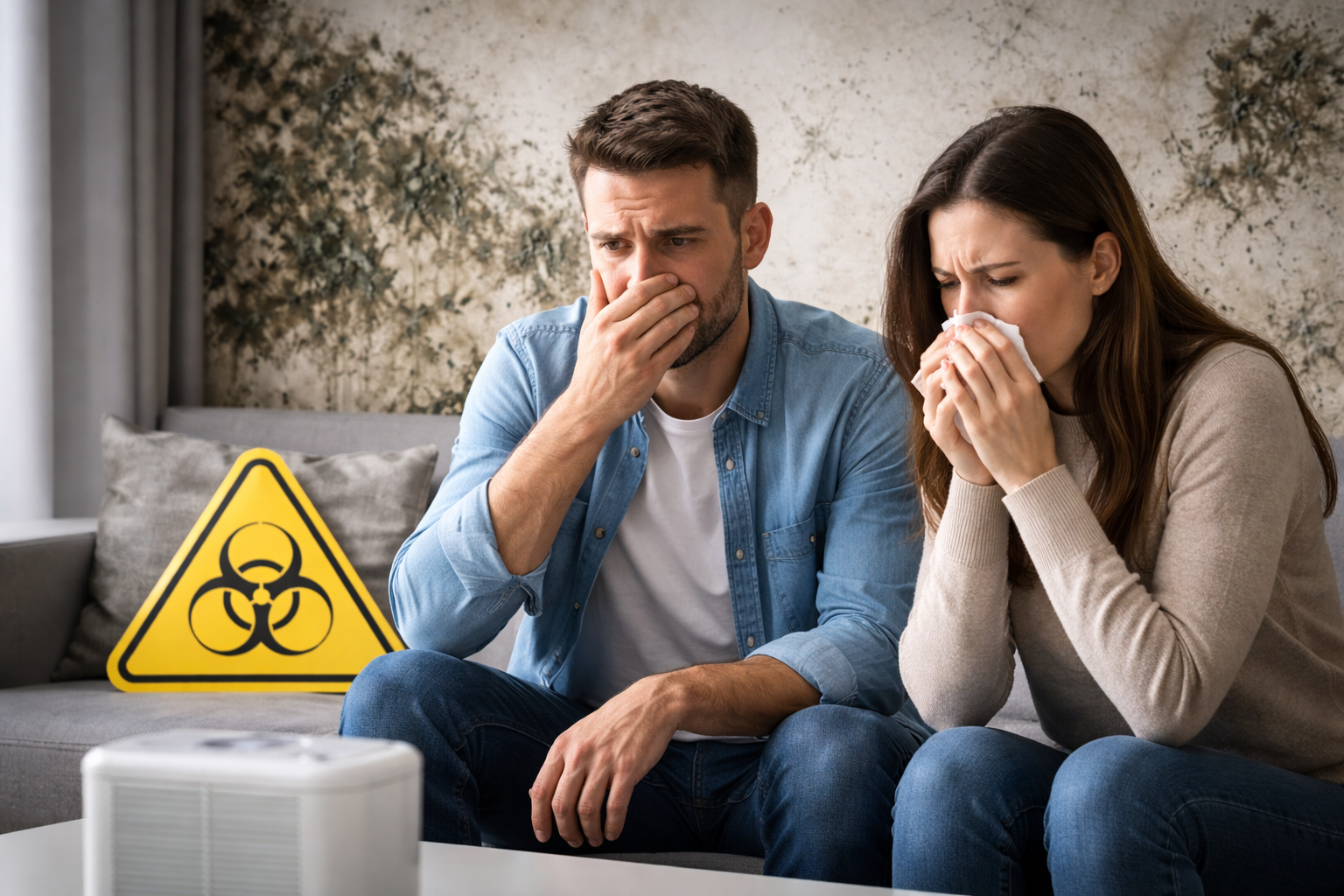
Mold is far more than a simple cosmetic nuisance or a sign of a damp bathroom—mold can pose significant health concerns, particularly in the unique, warm, and humid climate of Texas. Homeowners in Houston are uniquely familiar with the conditions that lead to fungal growth: heavy seasonal rainfall, plumbing leaks, tropical storms, and the persistent indoor condensation caused by high-powered air conditioning. While some mold issues are minor, others can fundamentally degrade indoor air quality and the long-term health of everyone living in the home.
In severe cases, homeowners dealing with widespread mold growth and ongoing moisture issues may consider alternatives such as working with we buy houses Houston solutions. This allows families to avoid prolonged exposure and the staggering costs of professional remediation by exiting the property quickly. Before making any decisions, however, it’s important to understand the actual health risks associated with mold, who is most vulnerable, and what steps you must take to protect your family.
This article explains the health effects of mold exposure, how it spreads inside Texas homes, and the essential safety facts every homeowner should know.
How Mold Grows and Spreads Inside Texas Homes
Mold is a type of fungus that thrives in damp, poorly ventilated environments. It serves a vital role in nature by breaking down organic matter, but when it moves indoors, it becomes a structural and health hazard. Texas homes are particularly susceptible due to the combination of high outdoor humidity and the "sweating" that occurs when cold AC air meets warm, moist surfaces.
Common Indoor Hotspots
Mold reproduces by releasing microscopic spores into the air. These spores land on organic materials—like drywall, wood, or carpet—and, if moisture is present, begin to colonize within 24 to 48 hours. Common growth areas include:
Bathrooms and Kitchens: Areas with high steam and potential plumbing leaks.
Under Sinks and Behind Appliances: Refrigerators and dishwashers often have slow, hidden leaks.
Attics with Roof Leaks: Particularly after the intense wind and rain of a Texas storm.
HVAC Systems and Air Ducts: Condensation in the ducts can lead to hidden mold that is "blown" into every room.
Basements or Crawl Spaces: Areas where poor drainage allows water to pool near the foundation.
When inhaled, these spores can affect respiratory health, especially with prolonged exposure. Because spores are invisible to the naked eye, the health impact often begins long before a homeowner sees a single black spot on the wall.
Common Health Symptoms Linked to Mold Exposure
Not everyone reacts to mold the same way. The human response to mold is often compared to a "bucket" that slowly fills up; some people have a large bucket and can tolerate exposure for a long time, while others have a very small bucket and react almost immediately.
Typical Physical Reactions
According to the CDC and EPA, common symptoms include:
Nasal and Sinus Irritation: Chronic stuffiness, runny nose, or "hay fever" symptoms.
Respiratory Issues: Persistent coughing, wheezing, or shortness of breath.
Throat Irritation: A "scratchy" or dry throat that doesn't go away with hydration.
Eye Irritation: Red, itchy, or watery eyes that feel like a seasonal allergy.
Skin Rashes: Dermatitis or unexplained hives when in contact with moldy surfaces.
A key indicator that mold is the culprit is when these symptoms worsen while spending extended time inside the home—such as overnight or during the weekend—and improve significantly when you leave the environment for work or travel.
Who Is Most at Risk From Mold Exposure?
While mold can affect anyone, certain individuals are significantly more vulnerable to mold-related health issues. For these high-risk groups, even moderate mold exposure can trigger severe reactions or long-term health complications.
Higher-Risk Vulnerable Groups
Children and Infants: Their respiratory systems are still developing, and they breathe more air relative to their body weight than adults.
Elderly Adults: Often have weaker immune systems and pre-existing health conditions that mold can exacerbate.
Asthma and Allergy Sufferers: For these individuals, mold spores act as a powerful "trigger," leading to more frequent and severe attacks.
Immunocompromised Individuals: Those undergoing chemotherapy, living with HIV/AIDS, or taking immunosuppressant medications are at risk for actual fungal infections in the lungs (systemic mycosis).
Chronic Respiratory Patients: People with COPD or cystic fibrosis can experience a rapid decline in lung function when mold is present.
Long-Term Health Effects of Mold in the Home
The danger of mold isn't just the "cold-like" symptoms of today; it's the potential for chronic illness tomorrow. Prolonged exposure to mold can contribute to serious health problems, particularly when moisture issues are not resolved and the spore count remains high.
Potential Long-Term Consequences
Development of Asthma: Several studies suggest that childhood exposure to damp, moldy homes can actually contribute to the development of asthma in otherwise healthy children.
Chronic Rhinosinusitis: Permanent inflammation of the sinus cavities that may eventually require surgery.
Hypersensitivity Pneumonitis: A rare but serious immune system response that causes lung inflammation (granulomatous disease).
Chronic Fatigue and Headaches: Often attributed to the "mycotoxins" (toxic chemicals) produced by certain mold species like Stachybotrys or Aspergillus.
While not all mold is "toxic," ongoing exposure to high spore levels indoors should never be ignored. The longer you live with the mold, the higher the risk of your body developing a permanent sensitivity to it.
Mold and Indoor Air Quality (IAQ)
One of the most insidious aspects of mold is its impact on indoor air quality. In a modern, energy-efficient home, the air is often trapped inside. If mold takes root in your HVAC system, the furnace or air conditioner acts as a "spore delivery system," circulating contamination through every vent in the house.
The Impact of "Invisible" Mold
Poor IAQ caused by mold can:
Affect Sleep Quality: Congestion and coughing can lead to sleep apnea-like symptoms.
Reduce Overall Comfort: The air may feel "heavy" or have a persistent musty odor (mVOCs).
Aggravate Existing Conditions: Even non-respiratory issues, like eczema or autoimmune flares, can be worsened by poor air quality.
Impact Concentration: Some people report "brain fog" or difficulty focusing in mold-affected environments.
Because spores are microscopic, mold may severely affect air quality even when visible growth appears limited. A small patch under a sink could be a sign of a massive colony hidden inside the wall cavity.
When Mold Becomes a Serious Health Concern
It can be difficult to know when a situation has crossed the line from "inconvenience" to "health crisis." Generally, mold should be addressed with extreme urgency when:
The Growth is Extensive: Texas law defines "significant" mold as anything over 25 contiguous square feet. At this point, professional remediation is usually legally and practically required.
The Moisture is Ongoing: If you have a slab leak or a roof that hasn't been fixed, the mold is constantly refreshing itself and releasing new spores.
Multiple Rooms are Affected: This suggests the spores are traveling through the HVAC system.
Persistent Symptoms: If household members are taking daily allergy medication just to stay in the house, the environment is no longer safe.
What Texas Homeowners Should Do After Discovering Mold
If you find mold, your first priority must be health protection. Do not attempt to "bleach away" a large infestation, as the fumes from the bleach combined with the disturbed spores can create a toxic cocktail.
Recommended Action Steps
Limit Exposure: Seal off the affected room with plastic sheeting and tape.
Avoid Aggressive Cleaning: Do not scrub dry mold; this just launches spores into the air.
Fix the Water First: Identify and fix the plumbing or roof leak immediately. Mold remediation is a waste of money if the area stays wet.
Consult Licensed Professionals: In Texas, mold remediators must be licensed by the Texas Department of Licensing and Regulation (TDLR). Ensure they provide a "Certificate of Mold Remediation" (CMR) once the work is done.
Legal and Insurance Considerations in Texas
Texas homeowners should be aware that mold-related health issues intersect with specific state laws and insurance rules. Ignoring these can lead to financial loss or legal liability.
Key Points for Homeowners
Disclosure Laws: Under Texas Property Code, you must disclose known mold or past mold remediation to any future buyer. Failure to do so can result in lawsuits for fraud or concealment.
The 5-Year Rule: If you receive a Certificate of Mold Remediation (CMR), you must provide it to any buyer within 5 years of the sale.
Insurance Exclusions: Many standard Texas insurance policies exclude mold caused by "seepage" or "neglect." Coverage is usually only available if the mold resulted from a "sudden and accidental" event like a burst pipe.
For more information, consult the Texas Department of Insurance and the CDC Mold Health Site.
Preventing Mold-Related Health Issues
Prevention is the most effective way to protect your family's health. In Texas, consistent moisture control is a year-round job.
Best Practices for Texas Homes
Monitor Humidity: Keep indoor humidity levels between 30% and 50%. Use a hygrometer (available for $10 at hardware stores) to track this.
Run Dehumidifiers: In areas like Houston, your AC might not be enough. A dedicated dehumidifier can help during the humid months.
Maintain the HVAC: Change filters every 1–3 months and have the condensate drain line cleared annually to prevent overflows.
Ventilate: Always use exhaust fans in the bathroom and kitchen. Ensure your clothes dryer is vented to the outside, not into the attic.
FAQ: Frequently Asked Questions
Can mold make you sick?
Yes. Mold exposure can cause respiratory symptoms, allergic reactions, and can worsen existing conditions like asthma or lung disease.
Is all mold dangerous to health?
Not all mold species are equally toxic, but any indoor mold growth is an irritant that negatively affects air quality. Even "non-toxic" mold can trigger a severe allergic reaction in a sensitive person.
Can mold cause long-term health problems?
Yes. Prolonged exposure can lead to chronic respiratory issues, the development of new allergies, and persistent fatigue.
Should I leave my home if mold is discovered?
If the mold is extensive (over 25 sq. ft.) or if a high-risk individual is showing symptoms, vacating the home during remediation is highly recommended.
Final Thoughts
Mold in the home is more than an inconvenience—it is a biological hazard that requires prompt, informed action. In Texas, the climate provides a constant "fuel" for mold, making early awareness the best defense. Understanding how mold affects indoor air quality and who is most at risk helps you make the best decision for your family's future.
Whether you choose to invest in professional remediation or decide to sell the property to a cash buyer to start fresh in a healthy environment, the key is to prioritize the air you breathe.

How Absolute Properties Helps Houston Sellers
Absolute Properties makes it easy for Houston homeowners to sell fast - even when facing challenges like financial difficulties, inherited properties, troublesome tenants, or repairs.
If you’re thinking, “I need to sell my house fast in Houston…” We buy houses in Houston in any situation or condition!
As-is, fast cash offers with clear terms
Many closing costs covered; no realtor commissions in most cases
You choose the closing date (as little as 7 days, case-dependent)
Coordination with experienced title company for a compliant sale process
Call or text: (713) 230-8059
Email address: info@absolutepropertieshtx.com
Share your street address and timeline for a free consultation and a straightforward number no pressure.
Helpful Houston Blog Articles
How To Sell Your House in Houston Without Sinking Any More Money Into It
6 Tips For First Time Home Sellers in Houston
Hiring an Agent Vs. A Direct Sale to Absolute Properties When Selling Your House in Houston
Who Pays Closing Costs in Texas
The True Costs of An FSBO Listing for Houston Investors
What To Do With Your Expired Listing in Houston
Also check out our Free Guides & Education & FAQ for more education on how to sell your house for cash quickly to a local home buyer.