What to Do If You Discover Mold in Your Home in Texas
Reviewed by Mark Lee
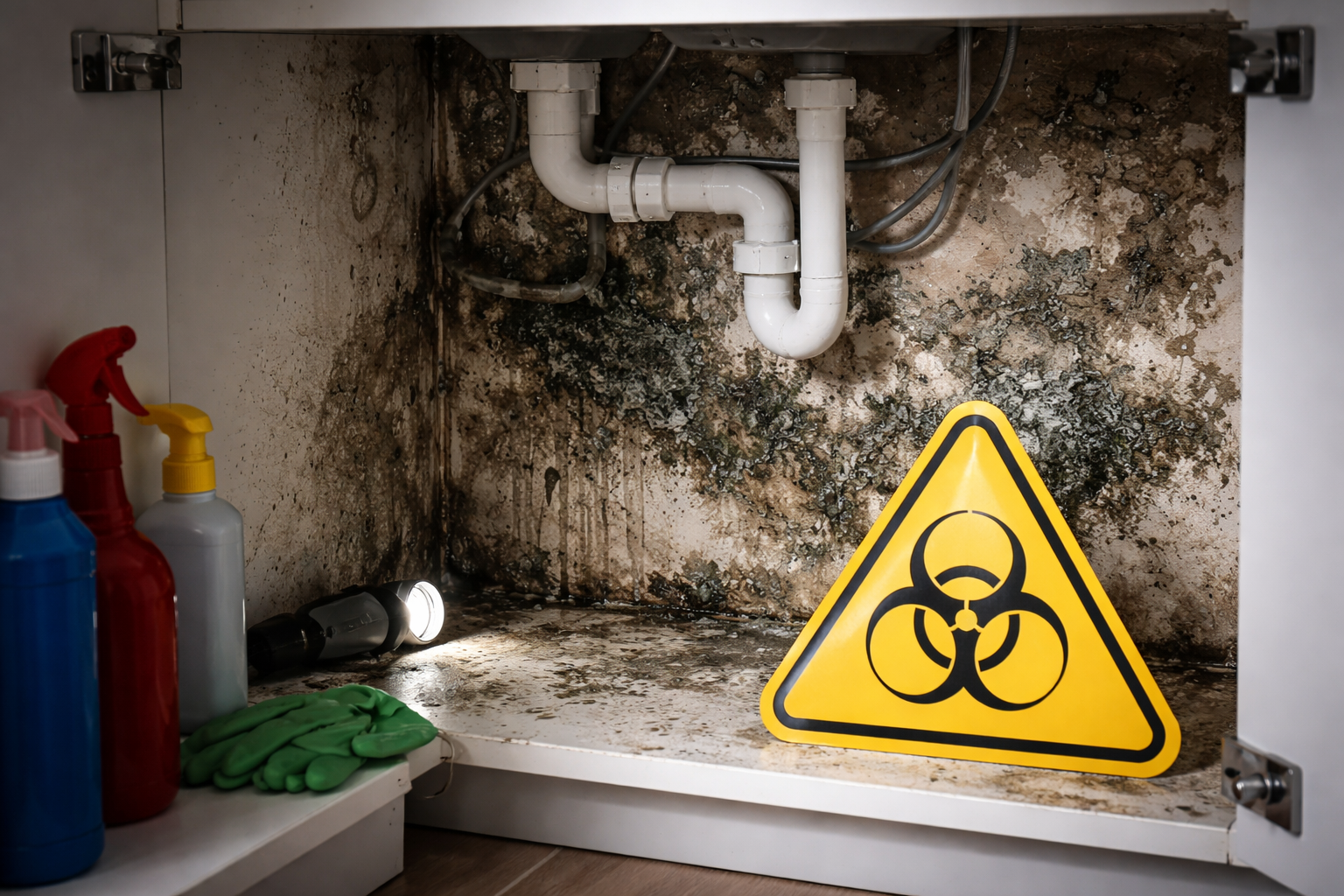
Discovering mold in your Houston home can be alarming, especially in the warm, humid climate that defines much of the Lone Star State. Homeowners in Houston often find mold after heavy rains, plumbing leaks, roof damage, or long-term moisture issues caused by the city’s legendary humidity levels. While mold is an extremely common occurrence in Texas homes, knowing what to do immediately—and perhaps more importantly, what not to do—can protect your health, your finances, and your property value.
In some cases, homeowners facing widespread mold damage or recurring structural moisture issues choose to exit the situation early by working with we buy houses Houston solutions. This is often the preferred route when remediation costs are high or when the homeowner lacks the time to manage a complex contractor project. But before making any major decisions, it’s important to understand the correct steps to take when mold is first discovered.
This guide walks through exactly what to do if you find mold in your Texas home, from the initial discovery to remediation, insurance considerations, and your legal responsibilities.
Step One: Confirm Whether It’s Actually Mold
The first step is a visual and sensory assessment. Not all discoloration or stains in a home are mold. Texas homes, particularly older ones, can develop mildew, dirt buildup, or water stains that look remarkably similar to fungal growth. However, treating a simple dirt stain like mold is a waste of money, while treating mold like a simple dirt stain can be a health hazard.
Visual and Sensory Indicators
Signs that the substance in your home is actually mold include:
Textural Growth: Look for fuzzy, slimy, or powdery growth on surfaces.
Coloration: Mold isn't just black; it can appear in green, white, gray, or even bright orange patches.
The "Smell Test": Mold has a distinct musty or earthy odor, often compared to wet socks or a damp forest floor. This scent is often strongest in closets, basements, or behind baseboards.
Location: Mold thrives near water sources, such as under sinks, behind refrigerators, or in corner walls where HVAC vents may be sweating.
If the substance spreads over time or returns shortly after you wipe it away with a cloth, it is almost certainly an active mold colony.
Step Two: Avoid Disturbing the Area
The biggest mistake Texas homeowners make is rushing in with a scrub brush. Once mold is suspected, do not scrape, scrub aggressively, or tear out materials right away. Disturbing a mold colony can release millions of microscopic spores into the air, which then travel through your ventilation system and spread the contamination to every room in your house.
Immediate Containment Measures
To prevent a small problem from becoming a whole-house remediation project, follow these rules:
Turn off the HVAC: If the mold is near a vent, turn off your air conditioning to prevent spores from being sucked into the ductwork.
Avoid Fans: Do not run floor fans directly on the affected area in an attempt to "dry it out." This only serves to broadcast the spores.
No Bleach (Yet): Many people reach for bleach immediately. However, bleach contains mostly water; on porous surfaces like drywall, the chlorine stays on the surface while the water soaks in, potentially feeding the mold roots (hyphae) and making it grow back stronger.
Limit Access: Keep children and pets away from the room. If possible, tape a plastic sheet over the door to create a basic barrier.
Step Three: Identify and Stop the Moisture Source
Mold is a biological symptom of a moisture problem. It cannot grow without a water source. Finding and stopping that source is arguably the most important step in the entire process. If you clean the mold but don't fix the leak, the mold will return within 24 to 48 hours.
Common Texas Moisture Culprits
In the Gulf Coast region, moisture enters homes in several predictable ways:
Roof Leaks: These often manifest as mold in the attic or on the ceilings of upper-floor bedrooms after a tropical storm or heavy thunderstorm.
Plumbing Leaks: Slow pinhole leaks in copper or PEX piping behind walls can cause massive mold growth before a single drop of water is ever seen on the floor.
HVAC Condensation: If your AC's primary drain line clogs, the overflow pan can leak into your ceiling. Additionally, improperly insulated ducts can "sweat" in a Texas attic, leading to mold on the outside of the vents.
Poor Grading: If your yard slopes toward your house, heavy rains can push moisture into the slab or through the weep holes in your brick, leading to mold at the baseboard level.
Step Four: Decide Whether Professional Testing Is Needed
Not every mold situation requires an expensive lab test. If you can see the mold and you know where the water came from, the "test" is already done. However, there are specific scenarios where professional mold air sampling or surface testing is highly beneficial.
When to Call a Licensed Mold Inspector
Testing is recommended when:
Health Symptoms are Present: If someone in the home is sick but no mold is visible, air testing can confirm if hidden colonies exist behind walls.
The Area is Large: If the mold covers more than 10 square feet, a professional protocol is often required for safety.
Real Estate Transactions: If you are buying or selling, a documented mold report provides a "clearance" that the home is safe.
Legal/Insurance Disputes: If you need to prove the mold was caused by a specific event (like a storm) for an insurance claim, a professional report is your best evidence.
Step Five: Understand Texas Mold Remediation Rules
Texas is one of the few states with very strict regulations regarding mold. The Texas Department of Licensing and Regulation (TDLR) oversees the mold industry to protect consumers from "fly-by-night" contractors who might do more harm than good.
Key Regulations for Homeowners
Under the Texas Mold Assessment and Remediation Rules:
Licensing: Anyone performing mold remediation on a project involving more than 25 contiguous square feet of mold must be licensed by the state.
Conflict of Interest: To prevent fraud, the company that tests the mold cannot be the same company that cleans the mold on the same project. You need two different entities.
Certificate of Mold Remediation (CMR): Once the job is finished and passes a final "clearance" test, the contractor must provide you with this certificate. This document is gold—it proves to future buyers and insurance companies that the mold was handled correctly.
Step Six: Evaluate Health and Safety Concerns
Mold exposure affects people differently based on their immune systems and the type of mold present. While "toxic black mold" (Stachybotrys chartarum) gets the most headlines, many common molds can cause health issues.
Possible Health Effects
According to the CDC and Texas health officials, occupants may experience:
Respiratory Irritation: Sneezing, coughing, and persistent congestion.
Allergic Reactions: Itchy eyes, skin rashes, or throat irritation.
Asthma Complications: For those with pre-existing conditions, mold can trigger severe attacks.
Headaches and Fatigue: Often associated with long-term exposure to high spore counts.
If household members—particularly children, the elderly, or those with compromised immune systems—are experiencing these symptoms, you should consider vacating the affected areas immediately.
Step Seven: Check Your Homeowners Insurance Policy
Many Texas homeowners are shocked to find that mold coverage is not always a "given" in their policy. In fact, many standard Texas homeowners policies (like the HO-A) actually exclude mold unless you specifically pay for a "mold endorsement" or "rider."
How Coverage is Determined
Insurance companies generally look at the cause of the mold:
Sudden and Accidental: If a pipe bursts while you are at work and mold grows as a result, it is likely covered.
Gradual and Neglectful: If a window has been leaking for three years and you didn't fix it, the resulting mold will almost certainly be denied.
Flood-Related: If the mold resulted from rising floodwaters (like during Hurricane Harvey), it is only covered if you have a separate Flood Insurance policy through the NFIP.
For more tips on navigating insurance claims, the Texas Department of Insurance provides excellent consumer resources.
Step Eight: Decide Whether to Remediate or Move On
Once you have a remediation estimate, you have a big decision to make. Professional remediation for a medium-to-large mold issue in Texas can cost anywhere from $5,000 to $30,000+, depending on the structural repairs needed.
When Remediating Makes Sense
It is worth the investment if:
The mold is localized to one area (like a single bathroom).
Your insurance company is covering 100% of the cost.
You have significant equity in the home and plan to stay for 10+ years.
When Selling "As-Is" Makes Sense
Many homeowners choose to sell to Cash Home Buyers because:
Health Fears: Some families simply don't want to live in a house that once had a major mold issue.
Financial Constraints: Not everyone has $15,000 sitting in a bank account to pay a mold contractor upfront.
Timeline: Remediation can take weeks of loud fans, plastic barriers, and construction dust. Selling "as-is" allows you to move on in as little as 7 days.
Mold Disclosure Requirements in Texas
If you decide to sell your home, you must be aware of Texas Property Code § 5.008. This law requires sellers of single-family residential property to provide a "Seller’s Disclosure Notice."
Your Legal Responsibilities
Ongoing Growth: You must disclose any active, known mold.
Past Issues: Even if the mold was fixed 5 years ago, you must disclose that the home previously had mold remediation.
The CMR Document: If you have a Certificate of Mold Remediation, you should provide it to the buyer. In Texas, if a CMR is less than 5 years old, the law requires you to pass it to the next owner, as it protects them from insurance rate hikes related to that specific mold event.
FAQ: Frequently Asked Questions About Texas Mold
Is mold common in Texas homes?
Absolutely. Due to high humidity and frequent storm surges, mold is one of the most common maintenance issues in Texas. It is not necessarily a sign of a "dirty" house; it is a sign of a moisture problem.
Can I clean mold myself with vinegar?
For small areas (less than 10 square feet) on non-porous surfaces like tile or metal, white vinegar is actually more effective than bleach because it kills the mold at the root. However, for drywall or wood, professional help is recommended.
Does homeowners insurance cover mold?
Only if the mold was caused by a "covered peril" (like a sudden pipe burst) and you have the appropriate endorsement. Always read your policy's "exclusions" section carefully.
Do I have to disclose mold when selling my house?
Yes. Failure to disclose known mold can result in a lawsuit for "Deceptive Trade Practices" (DTPA) after the sale.
Is "Black Mold" more dangerous than other types?
The color of mold is not a reliable indicator of its toxicity. Some white molds can be just as irritating as black molds. Every mold situation should be treated with the same level of caution.
Final Thoughts: Protecting Your Texas Home
Discovering mold in your Texas home is a serious situation, but it doesn't have to be a catastrophe. By following a logical path—confirming the type, stopping the water, and understanding the state regulations—you can manage the problem effectively.
Whether you choose to hire a TDLR-licensed professional to remediate the space or decide that the best path forward is to sell the property and start fresh, the key is to act quickly. In the Texas heat, mold doesn't wait. The faster you address the moisture, the better your outcome will be for your health and your wallet.

How Absolute Properties Helps Houston Sellers
Absolute Properties makes it easy for Houston homeowners to sell fast - even when facing challenges like financial difficulties, inherited properties, troublesome tenants, or repairs.
If you’re thinking, “I need to sell my house fast in Houston…” We buy houses in Houston in any situation or condition!
As-is, fast cash offers with clear terms
Many closing costs covered; no realtor commissions in most cases
You choose the closing date (as little as 7 days, case-dependent)
Coordination with experienced title company for a compliant sale process
Call or text: (713) 230-8059
Email address: info@absolutepropertieshtx.com
Share your street address and timeline for a free consultation and a straightforward number no pressure.
Helpful Houston Blog Articles
How To Sell Your House in Houston Without Sinking Any More Money Into It
6 Tips For First Time Home Sellers in Houston
Hiring an Agent Vs. A Direct Sale to Absolute Properties When Selling Your House in Houston
Who Pays Closing Costs in Texas
The True Costs of An FSBO Listing for Houston Investors
What To Do With Your Expired Listing in Houston
Also check out our Free Guides & Education & FAQ for more education on how to sell your house for cash quickly to a local home buyer.