Can Missing a Few Mortgage Payments Lead to Foreclosure in Texas?
Reviewed by Mark Lee
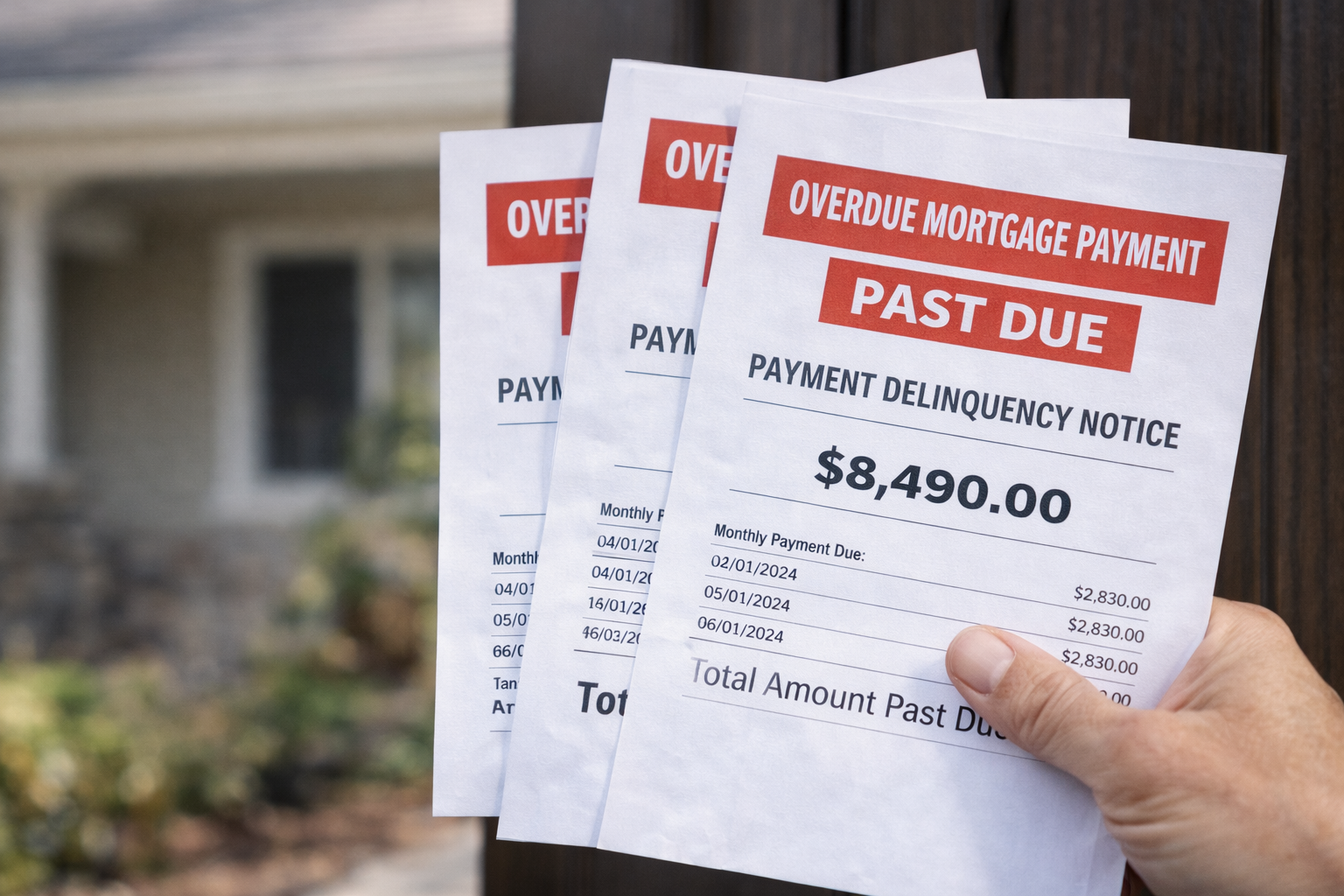
Missing a mortgage payment is a deeply stressful experience, but many Texas homeowners are unsure how quickly that situation can escalate into foreclosure. In a state like Texas—where foreclosure laws move faster than most—missing just a few payments can put a property at serious risk. Homeowners in Houston often ask whether one or two missed payments are enough to trigger foreclosure proceedings.
The short answer is yes, they can, depending on timing and lender actions. Texas uses a non-judicial foreclosure process, meaning lenders do not need court approval to foreclose in most cases. Because of this, the gap between missed payments and foreclosure notices can be much shorter than homeowners expect. Some owners choose to resolve the situation early by deciding to we buy houses Houston to an investor to avoid a public auction and save their credit, but regardless of the outcome, the legal process follows a predictable sequence.
This article explains how many payments you can miss, what happens after each missed payment, and when foreclosure can legally begin in Texas—without speculation or sales tactics.
What Counts as a Missed Mortgage Payment?
A mortgage payment is considered missed when it is not received by the lender by the due date plus any contractual grace period. While the due date is usually the 1st of the month, the "missed" status actually evolves through several stages of delinquency.
The Grace Period and Late Fees
Most mortgages include a grace period of 10 to 15 days. If your payment is due on the 1st, the lender generally won't penalize you if the funds arrive by the 15th. However, on the 16th, the payment is officially "late." At this stage:
Late fees are assessed: Usually 4% to 5% of your monthly principal and interest.
The loan is marked delinquent: The lender’s internal records now flag your account.
Credit reporting may begin: While most lenders wait until you are 30 days past due to report to bureaus, they are legally allowed to report it as soon as the grace period ends.
One missed payment alone does not cause foreclosure, but it starts the timeline that can eventually lead there. It is the "trigger event" that allows the lender to eventually declare a default.
How Many Missed Payments Trigger Foreclosure in Texas?
In Texas, foreclosure typically becomes possible after two to three consecutive missed payments, though the exact timing depends on the loan agreement and lender policies. There is a common myth that you have to be six months behind before a bank can take your home. In reality, the legal window is much smaller.
The Progression of Delinquency
Here’s how the timeline generally progresses in the eyes of a Texas lender:
1 missed payment: The loan is delinquent. You will receive phone calls and letters from the servicer’s collection department.
2 missed payments: The loan is often considered in default. The lender may send a "Breach Letter" warning you that the legal process is starting.
3 missed payments: The lender may initiate formal foreclosure notices. By the time you are 90 days past due, most lenders have already referred the file to a foreclosure attorney.
The 120-Day Federal Buffer
It is important to note that federal law (Regulation X) generally prohibits lenders from making the "first notice or filing" for foreclosure until a borrower is more than 120 days delinquent. This gives you about four months to seek a loan modification. However, once that 120-day mark hits, the Texas "fast-track" system takes over, and things move with lightning speed.
Default vs. Foreclosure: What’s the Difference?
Default and foreclosure are not the same thing, but default is the legal condition that allows foreclosure to begin. Understanding this distinction is vital for homeowners who are trying to negotiate with their banks.
Defining Default
Default means the borrower has violated the terms of the mortgage contract. While nonpayment is the most common cause, you can also default by failing to pay property taxes or failing to keep the home insured. Once you are in default, the lender has the right to "accelerate" the debt, meaning they no longer have to accept monthly payments—they can demand the entire loan be paid in full.
Defining Foreclosure
Foreclosure is the actual legal process used to recover the property and sell it to satisfy the debt. In Texas, this usually happens through a "Trustee’s Sale." Once a loan enters default status and the federal 120-day waiting period is over, Texas law allows lenders to move forward with the foreclosure sale after providing a series of strictly timed notices.
The Required Notices After Missed Payments
Texas law requires specific notices before a foreclosure sale can occur. These notices are triggered by the missed payments and the subsequent default. If a lender misses even one of these steps, the foreclosure can be challenged as "wrongful."
Notice of Default (Demand Letter)
After the 120-day delinquency period, the lender must send a Notice of Default. This notice:
States clearly that the loan is in default.
Lists the exact amount needed to "cure" the default (reinstatement).
Provides at least 20 days to catch up. Foreclosure cannot proceed until this 20-day cure period expires. This is your last chance to pay just the "back payments" to save the house.
Notice of Acceleration
If the default is not cured within that 20-day window, the lender may issue a Notice of Acceleration. This notice informs you that the bank has called the entire balance of the loan due. At this point, the lender may refuse to accept anything less than a full payoff of the entire mortgage.
Notice of Sale
Once the loan is accelerated, the lender can issue a Notice of Foreclosure Sale. Texas law requires:
At least 21 days’ notice before the auction.
Mailing the notice via certified mail to the homeowner.
Public posting of the notice at the county courthouse. Foreclosure sales in Texas occur on the first Tuesday of each month.
How Fast Can Foreclosure Happen After Missed Payments?
Because Texas foreclosures are non-judicial, the process can move faster than in almost any other state. In judicial states like Florida or New York, a judge must oversee the process, which can take 12 to 24 months.
The Texas Speed Trap
In many Texas cases:
Formal legal notices can begin within 121 days of the first missed payment.
A sale can occur within 165 to 180 days total from the very first missed payment.
The actual "legal" portion of the Texas process (from Notice of Default to Sale) can take as little as 41 days.
This timeline is significantly shorter than in judicial foreclosure states. The efficiency of the Texas system means that by the time a homeowner realizes the bank is serious, there may only be a few weeks left before the auction.
What Happens If You Miss Payments but Catch Up Later?
If missed payments are cured during the Notice of Default period, the foreclosure stops immediately. However, the timing of your "catch-up" payment is everything.
Reinstatement vs. Payoff
During the 20-day cure period: You have a legal right to "reinstate" by paying only the past-due amount and late fees.
After Acceleration: You lose the automatic right to reinstate. The lender may demand a full "payoff" (the entire mortgage balance). While many lenders will still work with you, they are not legally required to accept partial payments once the loan has been accelerated.
Repeated missed payments—even if later cured—can also increase scrutiny from lenders. It may reduce your flexibility in future hardship situations, as the lender may be less likely to grant a second or third forbearance.
Why Texas Homeowners Are Often Caught Off Guard
Many homeowners assume foreclosure only happens after six months or more of missed payments. While that may be true in some regions, Texas law allows lenders to act with a speed that catches many off guard.
Key Reasons for the Surprise
Short statutory notice periods: 21 days is all the notice required for a public sale.
No required court hearing: You won't get a "day in court" to explain your situation unless you proactively file a lawsuit to stop the sale.
Mailed Notices: Notices are delivered by certified mail. If a homeowner is avoiding their mail because of stress, they may not realize the sale has been scheduled until a "Notice to Vacate" is taped to their door after the auction.
Ignoring early warning signs in Texas often leads to fewer options later. By the time the Notice of Sale is posted, it is often too late to qualify for a traditional loan modification.
How Missed Payments Affect Credit Before Foreclosure
Even before the first legal notice is mailed, missed payments are doing significant damage to your financial future. The "foreclosure" itself is just the final blow.
The Credit Damage Timeline
30 Days Late: Most lenders report to credit bureaus. This can cause a 60- to 100-point drop in your score.
60–90 Days Late: Multiple late payments compound the damage. Your credit report will flag the account as "Seriously Delinquent."
Default Status: Once the Notice of Default is filed, it may appear in public record sections of credit reports, further depressing your score.
If a foreclosure sale occurs, it can remain on your credit report for seven years from the date of the first missed payment that led to the default. This prevents most people from buying another home for at least 3 to 7 years.
Official Texas Foreclosure Law Resources
For homeowners who want to review the exact legal standards governing missed payments and foreclosure, these authoritative sources explain the rules in detail:
Texas Property Code – Foreclosure Procedures: Chapter 51 – This is the primary law governing how many days of notice you must receive.
Consumer Financial Protection Bureau (CFPB): Mortgage Delinquency Guide – Explains the federal 120-day rule that protects homeowners before state laws kick in.
By reading these resources, you can verify if your lender is following the rules or if you have grounds to contest the process.
FAQ: Frequently Asked Questions
Can one missed mortgage payment cause foreclosure in Texas?
No. A single missed payment will result in late fees and credit damage, but federal law prevents the bank from starting the foreclosure process until you are at least 120 days behind.
How many payments can I miss before foreclosure starts?
Typically, foreclosure notices begin after the 4th missed payment (around 121 days of delinquency). However, the lender can start the process sooner if the property is not your primary residence.
Does Texas require a court case to foreclose?
No. For standard residential mortgages, Texas uses "non-judicial" foreclosure. The lender’s trustee can sell the house at the courthouse without a judge's order.
Will I receive notice before foreclosure?
Yes. You must receive a Notice of Default (20 days) and a Notice of Sale (21 days). These must be sent via certified mail.
Can foreclosure happen even if I plan to catch up later?
Yes. If you miss the legal deadlines and the loan is accelerated, the lender can proceed with the sale even if you tell them you have the money coming in next month.
Final Answer
Yes—missing a few mortgage payments can absolutely lead to foreclosure in Texas. While one missed payment does not trigger foreclosure on its own, three or four missed payments will place a loan in default and start the legal process. Because Texas foreclosure laws favor speed and efficiency, homeowners often have less time to react than they expect.
Understanding how quickly missed payments escalate under Texas law helps explain why early awareness is critical. If you find yourself behind, the best time to act is during the first 90 days. Once the process moves into the "First Tuesday" auction phase, your options for saving the home or your credit become extremely limited.

How Absolute Properties Helps Houston Sellers
Absolute Properties makes it easy for Houston homeowners to sell fast - even when facing challenges like financial difficulties, inherited properties, troublesome tenants, or repairs.
If you’re thinking, “I need to sell my house fast in Houston…” We buy houses in Houston in any situation or condition!
As-is, fast cash offers with clear terms
Many closing costs covered; no realtor commissions in most cases
You choose the closing date (as little as 7 days, case-dependent)
Coordination with experienced title company for a compliant sale process
Call or text: (713) 230-8059
Email address: info@absolutepropertieshtx.com
Share your street address and timeline for a free consultation and a straightforward number no pressure.
Helpful Houston Blog Articles
How To Sell Your House in Houston Without Sinking Any More Money Into It
6 Tips For First Time Home Sellers in Houston
Hiring an Agent Vs. A Direct Sale to Absolute Properties When Selling Your House in Houston
Who Pays Closing Costs in Texas
The True Costs of An FSBO Listing for Houston Investors
What To Do With Your Expired Listing in Houston
Also check out our Free Guides & Education & FAQ for more education on how to sell your house for cash quickly to a local home buyer.