Why Your Houston Home Insurance Might Not Cover a Vacant House
Reviewed by Mark Lee
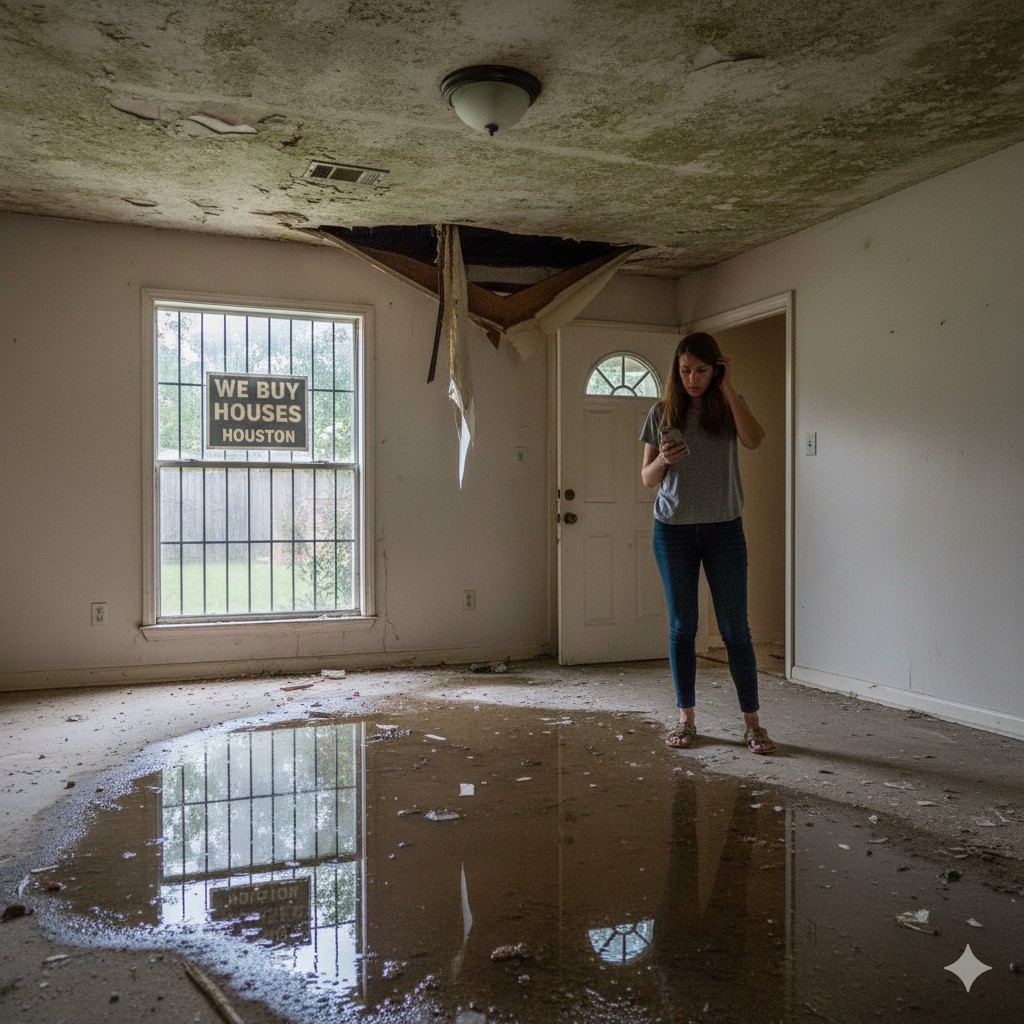
Owning property in Houston often means navigating a unique set of challenges, from unpredictable Gulf Coast storms to the relentless humidity of a Texas summer. However, one of the most significant—and often overlooked—risks involves the status of your home’s occupancy. Whether you have recently inherited a family estate, moved into a new home before selling your old one, or are currently between tenants, leaving a house vacant can create a dangerous gap in your financial protection.
Many homeowners assume that as long as they continue to pay their premiums, their standard homeowners policy remains a solid safety net. In reality, the moment a house becomes vacant, the rules of the game change. Insurance companies view empty homes as high-risk liabilities, and most standard policies contain specific clauses that can lead to a denied claim or even a cancelled policy after a short period.
If the complexity of managing a vacant home’s insurance and maintenance is becoming a burden, some owners choose to bypass the headache by working with professional “We Buy Houses” home buyers. This allows for a fast, "as-is" sale that transfers the risk to a buyer who specializes in Houston properties. But if you plan to keep the home, understanding the "Vacancy Clause" is the only way to ensure your investment stays protected.
The 30-to-60 Day "Vacancy Clause" Explained
In the insurance world, there is a legal distinction between a home that is "unoccupied" and one that is "vacant." Understanding this difference is critical to knowing when your coverage might be at risk.
Unoccupied vs. Vacant: A Legal Distinction
An unoccupied home is one where the owner intends to return. The furniture is still inside, the utilities are on, and the owner is merely away for a short period—perhaps on a long vacation or an extended hospital stay. A vacant home, however, is empty of both people and personal property. There are no beds, no tables, and no signs of daily living.
The Standard Texas Exclusion
Most standard homeowners policies in Texas, including the common HO-B or HO-3 forms, include a provision that limits or excludes coverage if the dwelling has been vacant for a specified period—typically 30 to 60 consecutive days.
According to the Texas Department of Insurance, many companies will stop coverage entirely if a house remains vacant for more than 60 days. This is because a vacant home lacks the "active defense" provided by a resident. A small leak that an occupant would notice in minutes can turn into a catastrophic flood in an empty house, and a small fire can consume the entire structure before anyone even calls 911.
Common Perils Excluded in Vacant Houston Homes
Once that 30-to-60 day window closes, your insurance company may selectively "turn off" coverage for the very risks that vacant homes are most likely to face. If you haven't switched to a specialized vacant home policy, you could be left paying out of pocket for these common issues.
1. Vandalism and Malicious Mischief
Vacant homes are magnets for vandals. Whether it’s graffiti, smashed windows, or teenagers breaking in, these acts are often excluded from coverage after 60 days of vacancy. In many Houston neighborhoods, thieves specifically target empty houses to strip the copper wiring and plumbing, often causing thousands of dollars in structural damage in the process. Without a vacancy endorsement, this "malicious mischief" is rarely covered.
2. Glass Breakage
Standard policies typically provide coverage for broken windows, but this often terminates after 60 days of vacancy. In the event of a break-in or a stray baseball, you will likely be responsible for the full cost of replacement.
3. Water Damage and Burst Pipes
Houston’s humidity is a constant threat, but so is the occasional deep freeze. If a pipe bursts in a vacant home, insurers will often deny the claim unless the owner can prove they used "reasonable care" to maintain heat in the building or shut off the water supply and drained the lines. Because a leak in an empty house can run for weeks, the resulting mold and structural rot can easily exceed $50,000—a bill most owners aren't prepared to pay.
Why Insurance Companies Hate Empty Houses
From a statistical standpoint, a vacant house is an insurance nightmare. The lack of supervision creates a "multiplier effect" on every possible risk.
Slower Response Times
The primary reason insurance is so expensive (or hard to find) for vacant homes is the delay in detecting a problem. In an occupied home, the smell of smoke or the sound of rushing water leads to an immediate call to emergency services. In a vacant home, that same event might go undetected for days or even weeks. By the time someone notices, the damage is often a "total loss."
Attractive Nuisance Risks
Empty houses often become what the law calls an "attractive nuisance." This includes neighborhood children playing on the property or squatters attempting to find shelter. If someone is injured on your vacant property—even if they were there illegally—you can still be held liable. While some standard policies maintain liability coverage during vacancy, many do not, leaving you vulnerable to a massive lawsuit.
Increased Theft Potential
Thieves monitor for signs of vacancy: uncollected mail, long grass, and dark windows. Beyond copper theft, many thieves in Houston will enter vacant homes to remove appliances, HVAC units, and water heaters. Because these items are easy to sell on the secondary market, a vacant home is a high-reward, low-risk target for criminals.
How to Protect Your Houston Property Correctly
If you know your home will be empty for more than a month, simply hoping for the best is not a strategy. You must take proactive steps to secure your coverage.
1. Notify Your Agent Immediately
The worst thing you can do is hide the vacancy from your insurance company. If you file a claim and the adjuster determines the home was vacant for 90 days without your insurer’s knowledge, they can deny the claim based on "material misrepresentation." Be honest with your agent so they can help you find a solution.
2. Purchase a Vacant Home Policy
To stay protected, you likely need a standalone Vacant Home Insurance Policy. These are typically written for 3, 6, or 12-month terms. While they are more expensive—often 1.5 to 3 times the cost of a standard policy—they provide coverage specifically for the risks mentioned above. According to the Texas Real Estate Research Center, failure to disclose the property as a secondary or vacant residence can sometimes lead to the cancellation of both your primary and secondary home policies.
3. Implement Security and Maintenance
Insurers are more likely to cover a vacant home if you can prove it is being monitored. This includes:
Smart Security: Installing a system like Ring or Nest that allows you to monitor the home remotely.
Property Management: Hiring a service to mow the lawn and perform weekly walk-throughs.
Lighting: Using smart timers to make the home appear occupied at night.
Frequently Asked Questions (FAQ)
Does "Unoccupied" insurance cost the same as "Vacant" insurance?
No. Unoccupied insurance is generally cheaper because the home still has its contents and the owner intends to return soon. Vacant insurance is the most expensive because the risk of theft and undetected damage is significantly higher.
Can I just have a neighbor check on the house once a week?
While having a neighbor check on the house is great for maintenance, it does not satisfy the "occupancy" requirement of your insurance contract. Most policies define vacancy based on whether someone is actually living there, not just visiting.
Will my insurance cover damage from a squatter?
Generally, no. Most standard policies exclude damage caused by "unauthorized occupants" after the vacancy period has elapsed. If a squatter moves in and causes a fire, you may find yourself without any financial recourse unless you have a specific vacant home policy with a vandalism rider.
What if I am renovating the home?
This is a "grey area." If the home is under major renovation and you aren't living there, you might need a Builder’s Risk policy rather than a standard homeowners or vacant policy. Check with your agent to see which form is appropriate for your specific project.
How much notice does an insurance company have to give to cancel my policy?
In Texas, an insurance company must typically give you at least 30 days' notice before canceling or non-renewing a policy due to vacancy. However, if they discover the home is vacant during a claim investigation, they can deny that specific claim immediately if it falls outside the vacancy window.
Can I get a refund if I sell the house before the vacant policy expires?
Yes. Most vacant home policies are "pro-rated." If you buy a 6-month policy but sell the house to a cash buyer in 30 days, you can usually cancel the policy and receive a refund for the unused months (minus any minimum earned premium).
The Path to Peace of Mind
Managing a vacant home in Houston is a full-time job. Between the constant threat of mold, the risk of copper theft, and the complex dance of insurance requirements, it is easy for an owner to feel overwhelmed. The "carrying costs" of taxes, utilities, and high-premium vacant insurance can quickly eat away at your equity.
If you find that the risks and costs of keeping your home empty are no longer worth it, you have a powerful exit strategy. Selling to we buy houses Houston specialists allows you to walk away from the insurance headache and the maintenance burden in a matter of days. You get a fair cash price, and the buyer takes on the responsibility of securing and insuring the property.
Protecting your investment starts with knowing the rules. If your Houston home is sitting empty, don't wait for a storm or a break-in to find out your insurance won't help. Call your agent today, or consider a fast sale to reclaim your financial freedom.

How Absolute Properties Helps Houston Sellers
Absolute Properties makes it easy for Houston homeowners to sell fast - even when facing challenges like financial difficulties, inherited properties, troublesome tenants, or repairs.
If you’re thinking, “I need to sell my house fast in Houston…” We buy houses in Houston in any situation or condition!
As-is, fast cash offers with clear terms
Many closing costs covered; no realtor commissions in most cases
You choose the closing date (as little as 7 days, case-dependent)
Coordination with experienced title company for a compliant sale process
Call or text: (713) 230-8059
Email address: info@absolutepropertieshtx.com
Share your street address and timeline for a free consultation and a straightforward number no pressure.
Helpful Houston Blog Articles
How To Sell Your House in Houston Without Sinking Any More Money Into It
6 Tips For First Time Home Sellers in Houston
Hiring an Agent Vs. A Direct Sale to Absolute Properties When Selling Your House in Houston
Who Pays Closing Costs in Texas
The True Costs of An FSBO Listing for Houston Investors
What To Do With Your Expired Listing in Houston
Also check out our Free Guides & Education & FAQ for more education on how to sell your house for cash quickly to a local home buyer.