How to Maintain a Vacant Property in Texas
Reviewed by Mark Lee
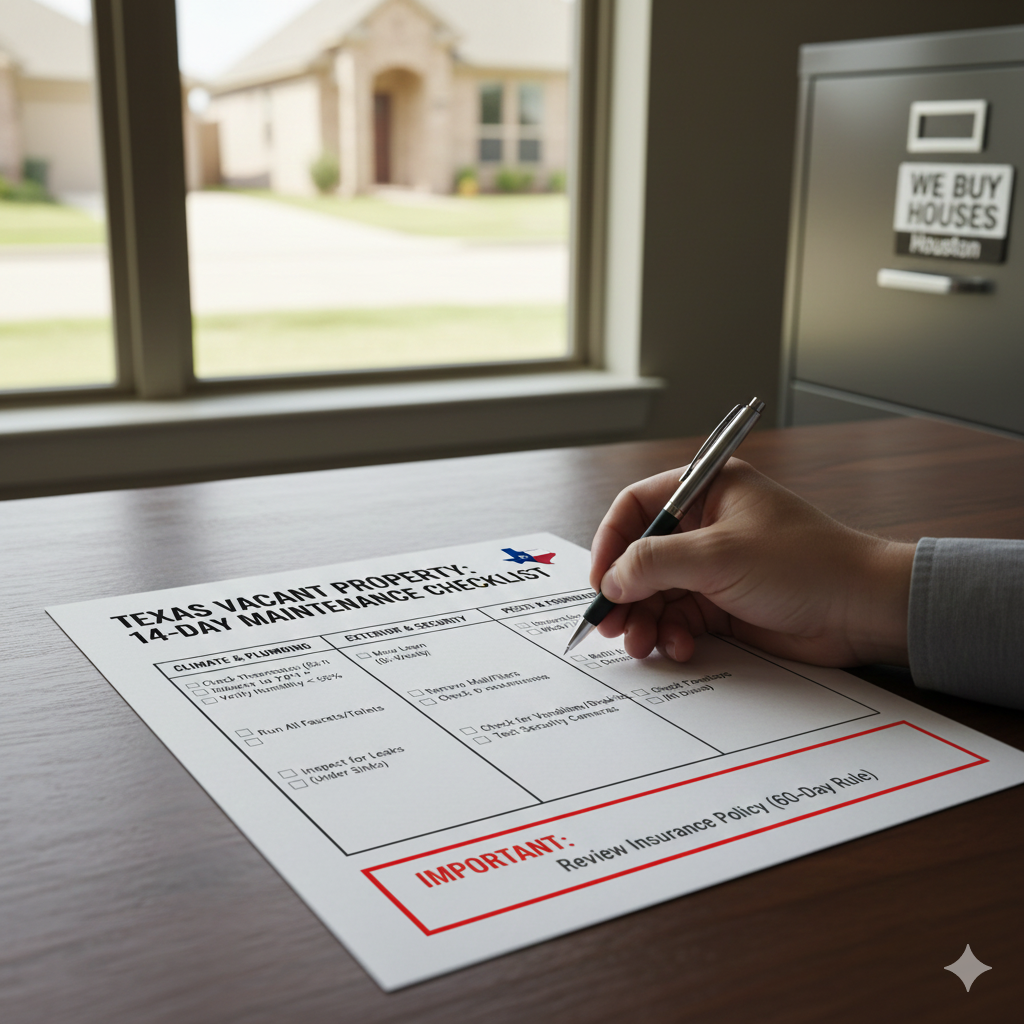
Owning a vacant property in the Lone Star State is often a temporary necessity—perhaps you’ve moved for a job, inherited a family estate, or are waiting for the right market conditions to sell. However, in Texas, "vacant" does not mean "maintenance-free." From the sweltering humidity of the Gulf Coast to the sudden, deep freezes that have become more common in recent years, an unoccupied home is under constant siege from the elements.
Leaving a house unattended for even a few weeks can invite a host of problems, including mold growth, pest infestations, and plumbing failures. For many owners, the logistical nightmare of managing a property from afar—or the sheer cost of keeping it "market-ready"—becomes overwhelming. In these situations, seasoned investors and homeowners often turn to professional “We Buy Houses Houston” Cash Home Buyers to facilitate a quick sale, offloading the maintenance burden entirely. But if you are committed to holding the property, you must implement a rigorous maintenance strategy to protect your equity and remain compliant with local Texas ordinances.
Environmental Defense: Managing Humidity and Mold
In Texas, particularly in Houston and East Texas, humidity is the primary enemy of a vacant home. Without the daily operation of doors opening and closing and the constant cycling of air, an empty house can become a greenhouse for mold.
1. The 55% Humidity Rule
The most critical task for any Texas homeowner with a vacant property is managing the indoor climate. To prevent mold, the relative humidity inside the home should never exceed 55-60%. Most modern HVAC systems allow you to set a "dehumidify" mode or at least a constant temperature. Experts recommend setting your thermostat no higher than 78°F in the summer. While it may be tempting to turn the AC off to save on electricity, the cost of professional mold remediation—which can easily exceed $20,000—far outweighs the utility bill.
2. HVAC Maintenance and Airflow
Because the HVAC system is your first line of defense, it must be in peak condition. Change the air filters every 30 to 60 days. A clogged filter restricts airflow, causing the evaporator coils to freeze and potentially leading to a water leak inside the home. Additionally, ensure that all interior doors are left open to encourage even air distribution throughout every room and closet.
3. Using Dehumidifiers
For homes in particularly damp areas, a standalone dehumidifier with a continuous drain hose (running into a sink or floor drain) can provide an extra layer of protection. This is especially useful in bathrooms or laundry rooms where moisture tends to linger.
Plumbing Protection: Preventing Leaks and Sewer Gas
A house that isn't being "used" is a house where plumbing systems can stagnate and fail. In Texas, where soil shifts are common, plumbing lines are under constant stress.
1. Maintaining the "P-Traps"
Every sink, shower, and toilet has a "P-trap"—a U-shaped pipe designed to hold water and block sewer gases from entering the home. In a vacant house, this water eventually evaporates. Once the trap is dry, the home will fill with foul odors and provide an open highway for pests like American cockroaches. You or a property manager should visit the home every two weeks to flush every toilet and run every faucet for three minutes to refill these traps.
2. The Great Freeze: Winterizing Your Pipes
The 2021 Texas freeze taught homeowners a brutal lesson: pipes in Texas aren't always insulated for extreme cold. If the property is vacant during the winter, you must take proactive steps. If you do not plan to visit frequently, it may be safest to shut off the main water valve and drain the lines. If you keep the water on, you must insulate all exterior faucets and ensure the heat is set to at least 55°F to prevent interior pipes from bursting.
3. Monitoring for Slow Leaks
Small leaks can go unnoticed for weeks in an empty home, leading to catastrophic structural damage. Consider installing a smart water monitoring system like Flo by Moen or Phyn. These devices attach to your main water line and alert your smartphone if they detect even a tiny drip, allowing you to shut off the water remotely before the home floods.
Structural and Exterior Upkeep: Foundation and Curb Appeal
Texas soil is notoriously "expansive," meaning it swells when wet and shrinks when dry. This movement is the leading cause of foundation failure in Texas homes.
1. Watering the Foundation
During a dry Texas summer, the soil can pull away from your foundation. This creates gaps that allow the foundation to settle unevenly. To maintain stability, use soaker hoses placed about 12 to 18 inches away from the slab. Setting these on a timer to run for 15-20 minutes a few times a week during the peak of summer is a standard practice for protecting a vacant home's structural integrity.
2. Landscape Management and City Fines
An overgrown lawn is a beacon for squatters and a guaranteed way to receive a fine from the city or your HOA. Most Texas cities, like Mesquite or San Antonio, have ordinances requiring grass to be kept under 8 to 12 inches. Hiring a regular lawn service is non-negotiable. Furthermore, keep trees and bushes trimmed away from the roof and siding to prevent moisture retention and pest access.
3. Roof and Gutter Inspections
Texas is prone to sudden, violent thunderstorms and hail. Check the roof and gutters after any major storm. Clogged gutters direct water toward your foundation or under your shingles, leading to wood rot and leaks that can destroy ceilings in a matter of days.
Security and Compliance: Deterring Intruders
A vacant property is a target for vandalism, theft (especially of copper AC components), and squatters. Protecting your asset requires making it look occupied.
1. Smart Lighting and Surveillance
Use smart plugs or timers to cycle lights in different rooms at varying times of the evening. This creates the illusion of occupancy. Additionally, install a battery-powered or hardwired camera system like Ring or Arlo. The mere presence of a visible camera is often enough to deter casual trespassers.
2. Mail and Package Management
Nothing says "nobody is home" like a pile of yellowing newspapers on the driveway or a stack of fliers on the front door. Ensure your mail is forwarded through the USPS and ask a trusted neighbor to remove any unsolicited door hangers or trash that accumulates in the yard.
3. Navigating Local Ordinances
Many Texas municipalities have "Vacant Building Programs" that require owners to register their property if it remains empty for more than 30 to 90 days. Failure to register can result in daily fines. According to the Texas Real Estate Research Center, staying in compliance with these local codes is essential for avoiding municipal liens that could complicate a future sale.
Frequently Asked Questions (FAQ)
Is it legal for a neighbor to water my foundation?
Yes, but it is better to have a formal agreement or a timed system. In Texas, foundation maintenance is often considered an "essential" task. If you ask a neighbor, ensure they know exactly where the soaker hoses are located and how long to run them.
Will my insurance cover a vacant house?
Most standard Texas homeowners insurance policies have a "vacancy clause" that triggers after 30 or 60 days. After this point, coverage for things like vandalism or water damage may be excluded. You likely need a specific "Vacant Home Policy," which can be more expensive but offers the necessary protection for an unoccupied dwelling.
Should I leave the curtains open or closed?
A mix is best. Closing all blinds and curtains can signal that the house is empty and makes it easier for intruders to work undetected once inside. Leaving some blinds partially open or using sheer curtains allows for light but maintains some privacy.
Can I turn off the electricity to save money?
It is highly discouraged in Texas. Without electricity, you cannot run the HVAC system to prevent mold or the security system to prevent break-ins. The "savings" on your electric bill will be eclipsed by the thousands of dollars in repairs needed after just one month without climate control.
How often should someone physically enter the house?
At a minimum, the house should be inspected every 14 days. This allows someone to check for musty odors (mold), look for signs of pests, and ensure no leaks have started under sinks or in the attic.
What are the new Texas laws on squatters?
As of 2024 and 2025, Texas has passed stricter legislation (such as SB 17 and HB 621) aimed at speeding up the removal of unauthorized occupants. However, the process still requires legal intervention. The best defense remains a secure perimeter and active monitoring.
Reclaiming Your Time and Peace of Mind
Maintaining a vacant property in Texas is a high-stakes responsibility. Between the physical demands of the climate and the legal requirements of local municipalities, it often feels like a second full-time job. For many, the constant worry about a burst pipe or a mold outbreak is simply not worth the carrying costs.
If you find that the maintenance of your empty home is draining your bank account and your energy, remember that you have options. You can continue to navigate the complexities of Texas property management, or you can seek a clean break.
For more information on the legalities of property maintenance and tenant-landlord laws in our state, you can visit the Texas State Law Library for comprehensive resources.

How Absolute Properties Helps Houston Sellers
Absolute Properties makes it easy for Houston homeowners to sell fast - even when facing challenges like financial difficulties, inherited properties, troublesome tenants, or repairs.
If you’re thinking, “I need to sell my house fast in Houston…” We buy houses in Houston in any situation or condition!
As-is, fast cash offers with clear terms
Many closing costs covered; no realtor commissions in most cases
You choose the closing date (as little as 7 days, case-dependent)
Coordination with experienced title company for a compliant sale process
Call or text: (713) 230-8059
Email address: info@absolutepropertieshtx.com
Share your street address and timeline for a free consultation and a straightforward number no pressure.
Helpful Houston Blog Articles
How To Sell Your House in Houston Without Sinking Any More Money Into It
6 Tips For First Time Home Sellers in Houston
Hiring an Agent Vs. A Direct Sale to Absolute Properties When Selling Your House in Houston
Who Pays Closing Costs in Texas
The True Costs of An FSBO Listing for Houston Investors
What To Do With Your Expired Listing in Houston
Also check out our Free Guides & Education & FAQ for more education on how to sell your house for cash quickly to a local home buyer.