Signs Your Home Might Have Foundation Problems in Texas
Reviewed by Mark Lee
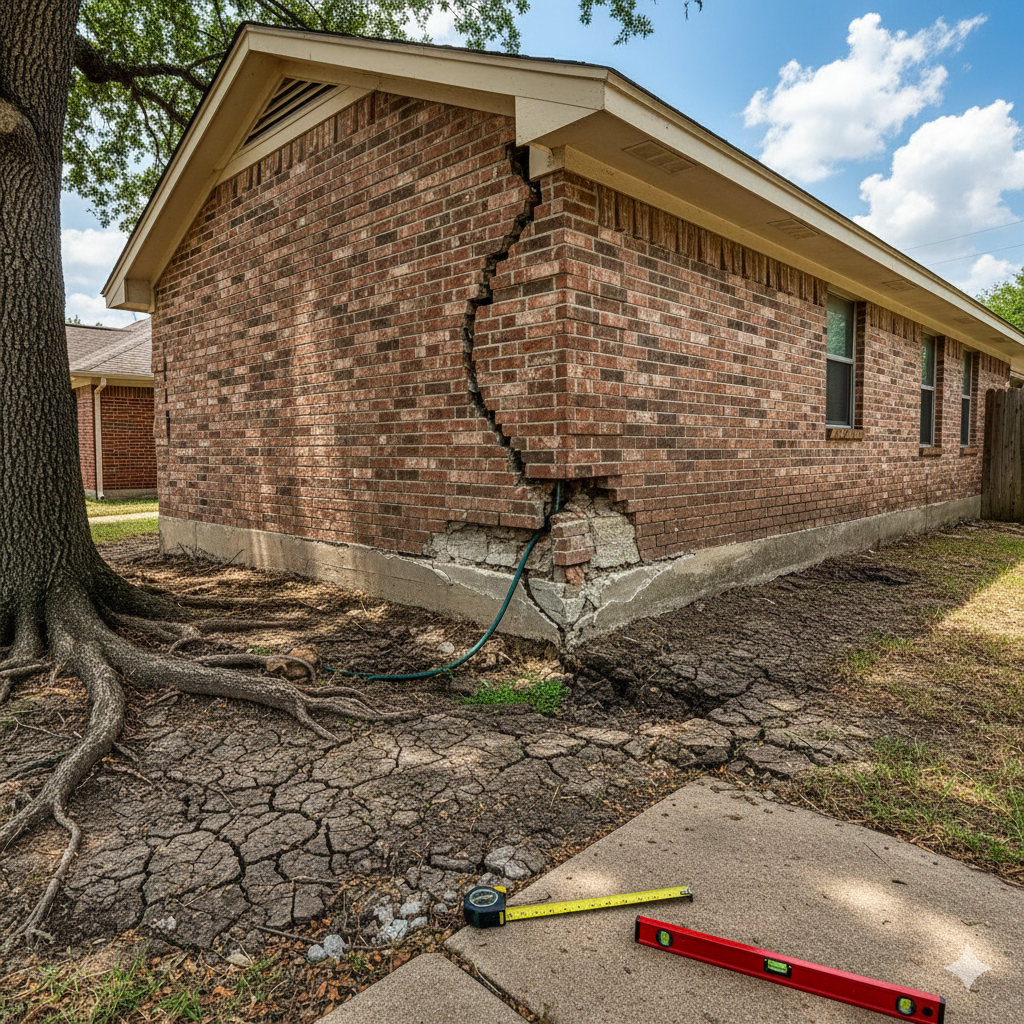
Living in the Lone Star State comes with many perks—great food, a robust economy, and wide-open spaces. However, for many homeowners, there is a literal "shifting" reality beneath their feet. Texas is notorious for its volatile soil, and if you have noticed a new crack in the wall or a door that just won't shut, you are likely experiencing the stress of potential structural issues.
Many people find these issues so overwhelming that they begin searching for ways to sell their house to a “We Buy Houses in Houston” professional home buyer just to avoid the repair process. But before you list your home, it is vital to know exactly what you are looking at. Foundation movement is a spectrum; some movement is natural "settling," while other signs indicate a catastrophic failure that requires immediate professional intervention. This guide will help you identify the specific red flags that define foundation problems in Texas homes.
The Core Warning Signs Inside Your Home
When a foundation shifts, the entire wooden or steel frame of the house is forced to twist and tilt. Because drywall, tile, and wood flooring are relatively rigid, they cannot bend with the frame. Instead, they snap.
Diagonal Cracks Above Openings
The most famous sign of foundation trouble is the diagonal crack. Look specifically at the upper corners of door frames and window headers. If you see a crack "stair-stepping" up toward the ceiling or running at a 45-degree angle, the foundation is likely pulling that corner of the house downward.
Doors That Stick or Swing
In a perfectly level home, a door will stay exactly where you leave it. In a home with foundation issues:
Sticking: The top or side of the door rubs against the frame because the frame is no longer square.
Ghost Swinging: You open a door halfway, and it slowly swings shut or open on its own.
Latching Issues: The deadbolt or latch no longer aligns with the strike plate on the door jamb.
Uneven or Sloping Floors
If you feel like you are walking uphill in your own hallway, you have a problem. While a slight slope might be acceptable in a century-old home, a sudden dip in a modern concrete slab home is a major red flag. You can test this by placing a level on the floor or simply observing if a ball rolls consistently toward one specific wall.
Exterior Indicators of Structural Distress
While the inside of your home shows the "symptoms," the outside of your home often reveals the "disease." Walking the perimeter of your property is the most effective way to gauge the health of your slab or pier-and-beam system.
Stair-Step Cracks in Brickwork
Texas homes are predominantly brick or stone veneer. Because mortar is weaker than brick, it will often crack first in a zig-zag pattern. If the crack is wide enough to stick a pencil into, or if you see daylight through the wall, the movement is active and significant.
Separation Around Windows and Trim
Look at the "caulking" or sealant around your window frames. If the brick is pulling away from the window frame, leaving a large gap, the wall is leaning. Similarly, check the "frieze board"—the wooden trim piece that meets the brick at the roofline. If there is a visible gap where the brick has dropped away from the wood, your foundation is subsiding.
Cracked or Spalling Foundation Concrete
Take a look at the actual concrete slab. Do you see vertical cracks running from the ground up to the brick line? While some "hairline" cracks are normal shrinkage, any crack wider than 1/8th of an inch indicates that the internal steel rebar may be under stress or corroding. "Spalling" occurs when chunks of concrete flake off, often revealing the rusted metal beneath.
Why Texas Soil Makes These Signs So Common
To understand the signs, you must understand the soil. Much of Texas sits on "expansive clay." According to the United States Geological Survey (USGS), expansive soils contain minerals that absorb water. When they get wet, they swell; when they dry out, they shrink.
The Seasonal Tug-of-War
In the winter and spring, heavy Texas rains cause the clay to expand, pushing the edges of your foundation upward (heaving). In the brutal heat of a Texas July or August, the moisture evaporates, and the soil shrinks away, leaving the heavy concrete slab hanging over a void. Eventually, the concrete snaps under its own weight. This constant cycle of "up and down" is why foundation problems are more prevalent here than in states with sandier or rockier soil.
The Role of Mature Trees
In many Texas neighborhoods, the signs of foundation failure are localized near large trees. A mature oak tree can pull hundreds of gallons of water out of the soil every day. If that tree is close to your house, it will dry out the soil on that side of the foundation much faster than the other side, causing "differential settlement."
The Difference Between Settling and Foundation Failure
Every home settles. It is a fact of physics. When a new home is built, the weight of the structure compresses the soil beneath it. However, there is a point where settling becomes a structural failure.
What is Normal Settling?
Small vertical cracks in drywall (not diagonal).
Tiny cracks in the mortar that don't grow over time.
Minor "popping" noises as the house adjusts to temperature changes.
What is Foundation Failure?
Cracks that are wider at the top than the bottom (indicating a "rotation").
Multiple signs appearing simultaneously (e.g., a cracked brick wall AND a stuck door in the same corner).
Cracks in the actual floor slab that extend through the flooring material.
If you are unsure, the best first step is to hire a professional structural engineer. Unlike a repair company, an engineer does not have a financial incentive to sell you piers. They provide an objective, data-driven report on the health of your home. You can find licensed engineers through the Texas Board of Professional Engineers.
FAQ: Frequently Asked Questions About Texas Foundations
How do I know if my foundation cracks are serious?
Generally, any crack wider than 1/4 inch is cause for concern. If the crack is diagonal, stair-stepped in brick, or accompanied by doors that won't close, it is highly likely that you have a structural issue rather than simple settling.
Does a "passing" home inspection mean the foundation is fine?
Not necessarily. A standard real estate inspection is a visual check. If the seller has recently patched cracks and painted the drywall, an inspector might not see the signs. Always look for "fresh" paint in localized areas or evidence of "mudding" over exterior brick cracks.
Can foundation problems be fixed permanently?
In Texas, "permanent" is a relative term. Most reputable companies offer a "Lifetime Transferable Warranty" on their piers. While the piers themselves may stay in place, the rest of the house can still shift. Constant moisture maintenance (watering the foundation) is required even after repairs are made.
Will foundation issues ruin my home’s value?
Unrepaired issues will certainly decrease the value and make it difficult for buyers to get a mortgage (most FHA and VA loans will not approve a home with structural damage). However, a home with a professional repair and an engineer’s "passing" certificate often maintains its full market value.
Can plumbing leaks cause foundation signs?
Yes! In fact, a "hydrostatic" leak (a leak under the slab) is a leading cause of foundation heaving in Texas. If you notice signs of movement alongside an unexplained increase in your water bill, you should call a plumber for a pressure test before calling a foundation company.
How much do these repairs usually cost in Texas?
Minor repairs or "shimming" of a pier-and-beam house might cost $2,000–$4,000. A major slab stabilization involving 20+ piers can range from $10,000 to $30,000. Catching the signs early is the best way to keep costs down.
Summary of the Homeowner's "Observation Checklist"
If you suspect your Texas home is shifting, don't wait for the problem to solve itself. Soil movement is progressive. Use this checklist to monitor your home:
Check Openings: Are door frames square? Do windows open easily?
Inspect Walls: Are there diagonal cracks over the corners of doors?
Walk the Perimeter: Are there stair-step cracks in the brick mortar?
Look Down: Is the soil pulling away from the edge of the concrete slab?
Measure: Use a level on your floors. Is there a slope greater than 1 inch over a 10-foot span?
Texas foundations are under constant assault from the environment. By staying vigilant and recognizing these signs early, you can take the necessary steps to protect your most valuable asset—or decide when it’s time to move on to your next adventure.

How Absolute Properties Helps Houston Sellers
Absolute Properties makes it easy for Houston homeowners to sell fast - even when facing challenges like financial difficulties, inherited properties, troublesome tenants, or repairs.
If you’re thinking, “I need to sell my house fast in Houston…” We buy houses in Houston in any situation or condition!
As-is, fast cash offers with clear terms
Many closing costs covered; no realtor commissions in most cases
You choose the closing date (as little as 7 days, case-dependent)
Coordination with experienced title company for a compliant sale process
Call or text: (713) 230-8059
Email address: info@absolutepropertieshtx.com
Share your street address and timeline for a free consultation and a straightforward number no pressure.
Helpful Houston Blog Articles
How To Sell Your House in Houston Without Sinking Any More Money Into It
6 Tips For First Time Home Sellers in Houston
Hiring an Agent Vs. A Direct Sale to Absolute Properties When Selling Your House in Houston
Who Pays Closing Costs in Texas
The True Costs of An FSBO Listing for Houston Investors
What To Do With Your Expired Listing in Houston
Also check out our Free Guides & Education & FAQ for more education on how to sell your house for cash quickly to a local home buyer.