What You Need to Know About Owning a Vacant House in Texas
Reviewed by Mark Lee
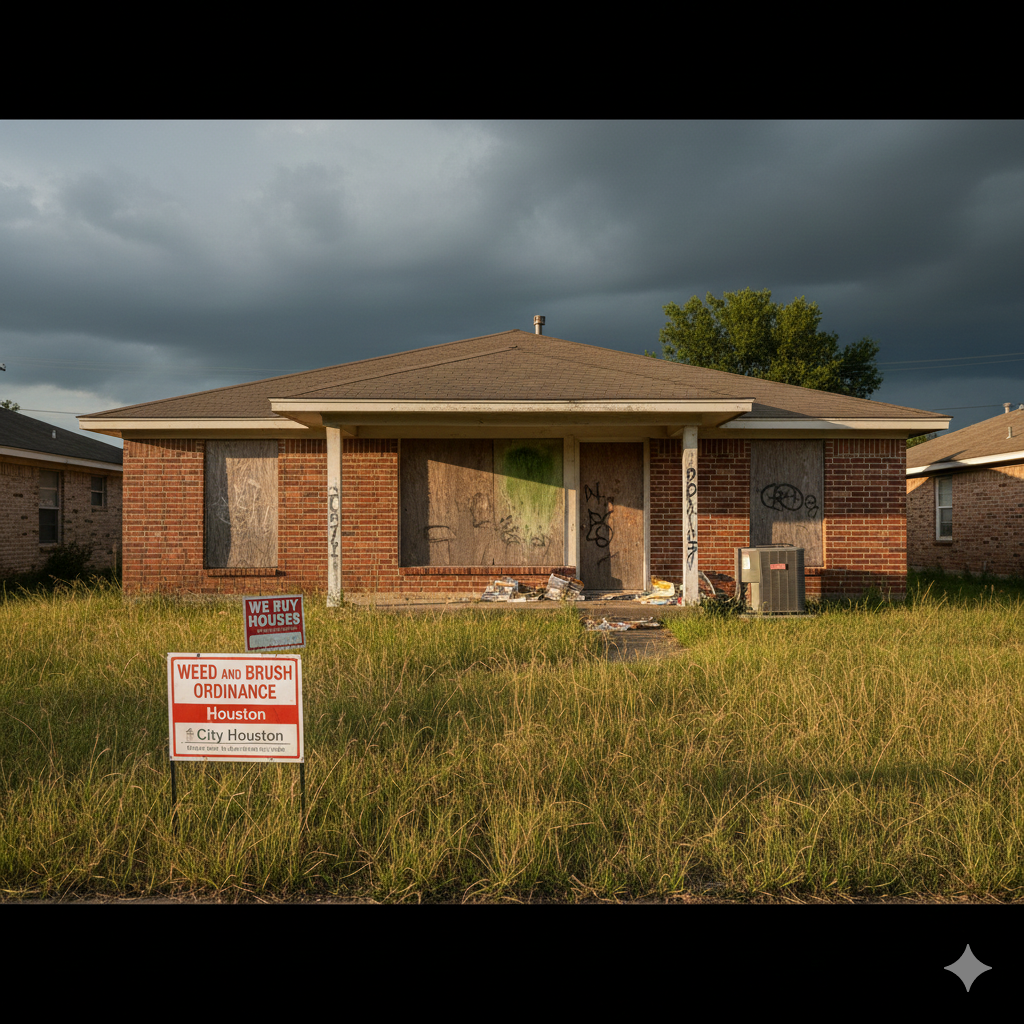
Inheriting a property or moving to a new home before selling your old one often leads to a common situation in the Lone Star State: owning a vacant house. While it might seem like a relief to have the move behind you, an empty property in Texas—especially in high-humidity areas like Houston—requires a surprisingly high level of oversight. From shifting insurance requirements to the relentless Texas heat, a "set it and forget it" mentality can quickly turn a valuable asset into a financial drain.
If the stress of monitoring an empty home from afar is becoming too much, many homeowners find that the simplest solution is a fast exit. In these scenarios, working with professional Cash Home Buyers can be a lifesaver, allowing you to bypass the repairs, insurance headaches, and security risks altogether. However, if you plan to hold onto the property while it sits empty, you must navigate a specific set of Texas laws and environmental challenges to protect your investment.
The Insurance Gap: Why Your Policy Might Be Void
One of the most dangerous myths about owning a vacant house in Texas is that your standard homeowners insurance policy will continue to provide full coverage. In reality, most Texas insurance contracts contain a "vacancy clause" that triggers significant changes after just 30 to 60 days of the home being empty.
1. The 60-Day Deadline
Once a home has been vacant for 60 consecutive days, many insurers will automatically exclude coverage for specific perils. The most common exclusions include vandalism, malicious mischief, and glass breakage. If a trespasser breaks into your Houston rental and sprays graffiti or smashes windows on day 61, your standard policy may deny the claim entirely.
2. Freeze and Water Damage Exclusions
Texas weather is unpredictable. Following the devastating freezes of recent years, insurance companies have become stricter. Most policies will not cover water damage caused by frozen pipes in a vacant home unless the owner can prove they exercised "reasonable care" to maintain heat in the building or shut off the water supply and drained the system.
3. Transitioning to Vacant Home Insurance
To stay protected, you likely need to purchase a specialized Vacant Home Insurance policy. While these policies are typically more expensive than standard ones—sometimes 1.5 to 3 times the cost—they are designed to cover the unique risks of empty properties. According to the Texas Real Estate Research Center, failure to disclose that a home is unoccupied can even lead to the cancellation of your primary residence's policy if they are bundled together.
Texas Property Taxes: The Silent Wealth Killer
Texas is famous for having no state income tax, but that revenue is made up through some of the highest property taxes in the country. When a house becomes vacant, the tax implications can change significantly, particularly regarding exemptions.
1. Losing the Homestead Exemption
The Texas Homestead Exemption provides a significant "cap" on how much your appraised value can increase each year (limited to 10%). However, to qualify, the home must be your primary residence. If you move out and the home sits vacant, you risk losing this exemption. Once removed, the Harris County Appraisal District (HCAD) or your local CAD can adjust the value to full market price, which often results in a massive jump in your annual tax bill.
2. No "Vacancy Discount"
A common misconception is that property taxes decrease because no one is using the city services. In Texas, property is taxed based on its market value as of January 1st, regardless of whether anyone is living inside. Unless the vacancy is due to the home being physically uninhabitable (requiring proof of major damage), you will still owe 100% of the assessed tax.
3. Protesting While Vacant
If your vacant home is in disrepair, you can use that "deferred maintenance" as a reason to protest your taxes. Documenting a leaking roof, cracked foundation, or outdated electrical systems can help argue for a lower valuation. Without an active protest, the state will continue to tax the property as if it were in peak condition.
The Houston Humidity Factor: Mold and Maintenance
In the Houston area, a vacant house faces an invisible enemy: humidity. Without the daily operation of a climate control system and the opening/closing of doors, an empty home becomes a petri dish for mold growth in as little as 48 hours.
1. Managing the HVAC System
You cannot simply turn off the air conditioning in a vacant Texas home to save money. To prevent mold, the indoor relative humidity must stay below 55%. Most real estate experts recommend setting the thermostat no higher than 78°F in the summer and ensuring the "Fan" is set to "Auto" so moisture isn't blown back into the house.
2. Plumbing and Sewer Gas
When sinks and toilets aren't used, the water in the "P-traps" evaporates. This allows sewer gases—and occasionally pests like American Cockroaches (Palmetto bugs)—to enter the home freely. If you own a vacant property, you or a manager should visit at least every two weeks to flush every toilet and run every faucet for a few minutes.
3. Landscape and Curb Appeal
In Texas, an overgrown lawn isn't just an eyesore; it’s a signal to criminals. Many municipalities, including the City of Houston, have "Weed and Brush" ordinances. If your grass exceeds a certain height (usually 9 to 12 inches), the city can mow it for you and send you a bill that includes a hefty administrative fine. If unpaid, this can result in a municipal lien against the property.
Security Risks: Squatters and Vandalism
Texas law has become more landlord-friendly regarding squatters with the passage of new legislation like Texas Senate Bill 17 and HB 621, which aim to streamline the removal of unauthorized occupants. However, preventing the problem is still easier than solving it.
1. The "Abandoned" Signal
Criminals look for specific signs of vacancy: piles of "pizza fliers" on the porch, uncollected mail, and dark windows at night. Installing smart light timers and a basic camera system (like Ring or Nest) is essential. If a squatter manages to establish "tenancy" by receiving mail at the address, you may be forced into a lengthy judicial eviction process despite the new laws.
2. HOA and POA Aggression
If your vacant home is in a neighborhood with a Homeowners Association (HOA), you are under a microscope. HOAs in Texas have significant power to levy fines for minor infractions like a dead bush or a visible trash can. Under Chapter 209 of the Texas Property Code, an HOA can eventually foreclose on your property for unpaid fines and assessments, even if your mortgage is current.
3. Theft of Components
Empty houses are often targeted for their "parts." Thieves frequently strip outdoor AC compressors for copper or enter the home to remove appliances and water heaters. A house without an AC unit in Texas is nearly impossible to sell on the retail market without a massive price reduction.
Frequently Asked Questions (FAQ)
Do I have to register my vacant house with the City of Houston?
While Houston does not have a universal "vacant building registry" for residential homes in good repair, properties that are considered "dangerous" or have open code violations may be subject to strict securing requirements. If a building is left open and vacant, the city can board it up and lien the property for the cost.
Can I keep my Homestead Exemption if I plan to return?
In some cases, yes. Texas law allows you to keep your homestead exemption for up to two years while living elsewhere, provided you do not establish a different principal residence. However, this usually requires "temporary" vacancy for reasons like military service or health care.
How often should I check on a vacant Texas home?
You should perform a physical walk-through at least once every 14 days. This is the optimal timeframe to catch a small plumbing leak before it causes catastrophic mold or to notice if someone has attempted to tamper with the locks.
Will the city shut off my utilities if the house is empty?
The city won't shut them off as long as the bills are paid. However, it is highly recommended to keep electricity and water active. Electricity is needed for the HVAC (mold prevention) and security lights, while water is needed to keep the plumbing traps full.
What is the fastest way to get rid of a vacant property?
Selling to a cash buyer is the quickest route. This eliminates the need for the owner to perform "make-ready" repairs or worry about the property being vandalized during the 30–60 days a traditional sale usually takes on the MLS.
Is it legal for a neighbor to mow my lawn if it’s vacant?
While it may seem helpful, you should have a formal agreement. If a neighbor is injured on your property while "helping," you could be liable under your insurance policy—which, as mentioned earlier, might not even be active if the home is vacant.
Taking Action Before the "Nightmare" Starts
Owning a vacant house in Texas is a race against time and the elements. Between the risk of a denied insurance claim and the physical toll the Houston climate takes on an unconditioned structure, the "carrying costs" are often much higher than they appear on paper.
If you are currently managing an empty property, your first step should be to call your insurance agent and confirm your coverage status. Your second step should be to establish a rigid maintenance schedule.
If those steps feel like a second full-time job, it may be time to consider a more permanent solution. For those who want to avoid the risks of owning a vacant house in Texas altogether, seeking an "as-is" cash offer can provide the clean break you need to move forward without the stress of monitoring an empty home. Protecting your equity means being proactive—don't wait for a burst pipe or a squatter to force your hand.

How Absolute Properties Helps Houston Sellers
Absolute Properties makes it easy for Houston homeowners to sell fast - even when facing challenges like financial difficulties, inherited properties, troublesome tenants, or repairs.
If you’re thinking, “I need to sell my house fast in Houston…” We buy houses in Houston in any situation or condition!
As-is, fast cash offers with clear terms
Many closing costs covered; no realtor commissions in most cases
You choose the closing date (as little as 7 days, case-dependent)
Coordination with experienced title company for a compliant sale process
Call or text: (713) 230-8059
Email address: info@absolutepropertieshtx.com
Share your street address and timeline for a free consultation and a straightforward number no pressure.
Helpful Houston Blog Articles
How To Sell Your House in Houston Without Sinking Any More Money Into It
6 Tips For First Time Home Sellers in Houston
Hiring an Agent Vs. A Direct Sale to Absolute Properties When Selling Your House in Houston
Who Pays Closing Costs in Texas
The True Costs of An FSBO Listing for Houston Investors
What To Do With Your Expired Listing in Houston
Also check out our Free Guides & Education & FAQ for more education on how to sell your house for cash quickly to a local home buyer.