What Does It Mean When a Building Is Condemned? (2026 Guide)
Reviewed by Mark Lee
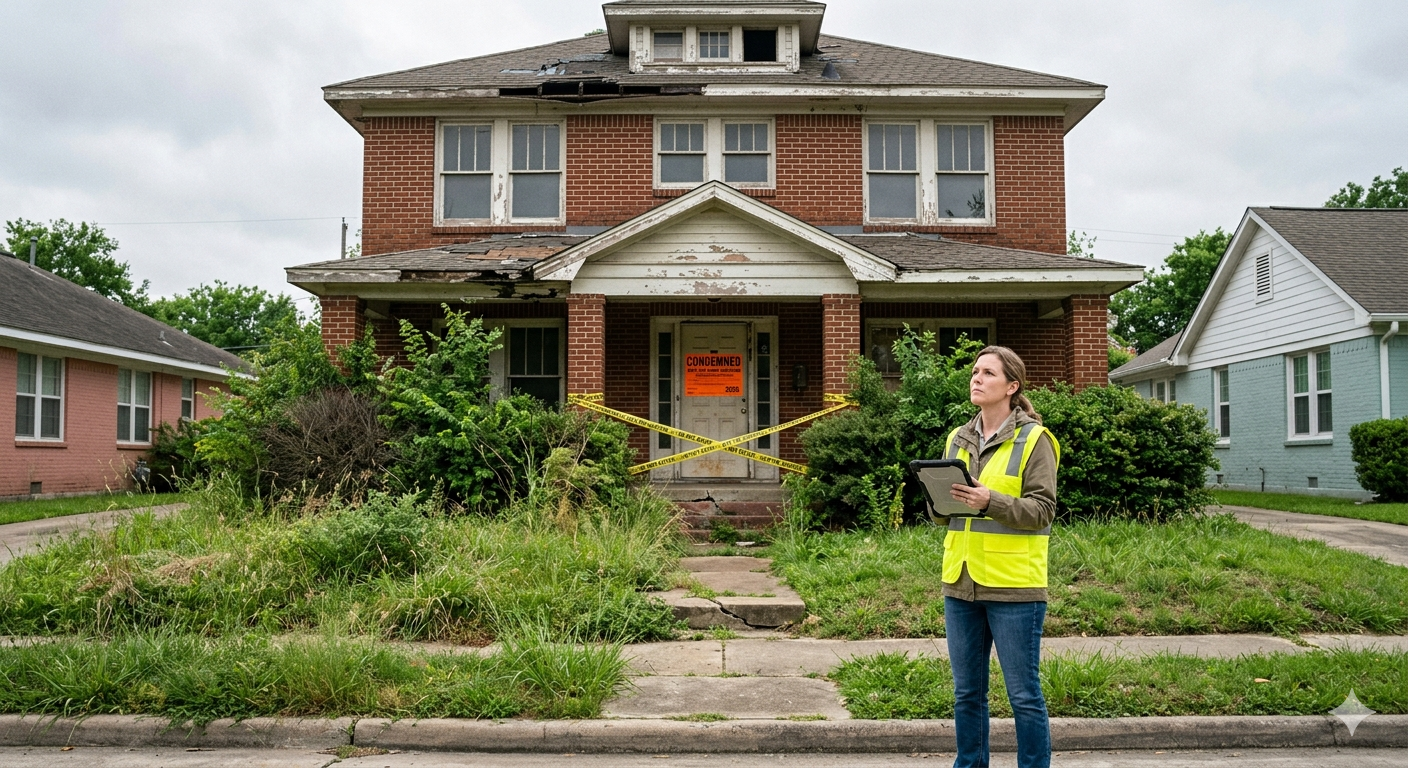
What Does It Mean When a Building Is Condemned?
The term “condemned building” sounds ominous, often conjuring images of "keep out" tape and imminent demolition. However, in the 2026 real estate landscape, condemnation is primarily a matter of codes, inspections, and compliance. When a property earns this designation, it simply means it no longer meets the minimum health and safety standards set by the local municipality.
This designation has immediate legal consequences. It affects whether people can live in the home, whether it can be rented, or even if the owner is legally permitted to enter the structure. If you are a homeowner facing this situation, or if you are looking to sell my house fast Houston, understanding the logistics of condemnation is the first step toward reclaiming your property's value.
What is a Condemned House?
A condemned house is a property that local government authorities have deemed unsafe or unfit for human habitation. As of March 2026, most Texas cities, including Houston and Dallas, have adopted the 2024 International Property Maintenance Code (IPMC), which provides the specific criteria for these judgments.
A property can be condemned due to:
- Severe Structural Damage: Issues with the foundation, load-bearing walls, or roof that pose a collapse risk.
- Health Hazards: Massive mold infestations, vermin, or toxic substances like lead or asbestos.
- Failure of Essential Utilities: A lack of running water, electricity, heating, or proper sewage disposal.
- Safety Violations: Faulty wiring that creates fire hazards or a lack of adequate escape routes.
Once a house is tagged as condemned, it must remain uninhabited until the owner rectifies the cited issues and the property passes a rigorous re-inspection.
Who Can Condemn My Property?
The authority to condemn a property—known as the condemning authority—usually rests with local government agencies. In most metropolitan areas, this includes:
- The Building Department: Focuses on structural integrity and building code compliance.
- The Health Department: Issues notices related to unsanitary conditions or toxic hazards.
- The Fire Marshal: Focuses on fire safety and electrical risks.
In 2026, these agencies have become more proactive, utilizing digital permit tracking and drone-assisted inspections to monitor vacant or dilapidated structures. If your property violates safety codes to the point of being dangerous, these authorities can issue an official condemnation notice, which is typically posted on the property and mailed to the owner’s last known address.
Top Reasons a Property Is Condemned in 2026
While the "haunted house" look is what people imagine, most condemnations in the current market stem from three specific categories:
1. Structural and Environmental Hazards
In Texas, extreme weather events—from hurricanes to severe freezes—often lead to burst pipes or foundation shifts. If water damage is left untreated, it leads to structural rot and black mold. Under the current Texas Minimum Construction Standards (TMCS), even a "solid" looking home can be condemned if the internal framing or electrical grounding no longer meets the 2024 safety updates.
2. Utility Failures and Sanitation
A home cannot be legally occupied in 2026 without functional plumbing and electricity. If a landlord fails to pay utility bills and the service is shut off for an extended period, the city may condemn the building as "unfit for human occupancy" to prevent a public health crisis.
3. Abandonment and Vacancy
In many Texas municipalities, a property that has been vacant for more than 180 days without being properly "secured" (locked and boarded windows) can be flagged for condemnation. This is done to prevent the building from becoming a "public nuisance" or a hub for illegal activity.
How Does the Condemnation Process Work?
When a building is deemed unsafe, the process follows a formal legal path to ensure the owner's rights are protected while prioritizing public safety.
- Inspection and Report: An inspector visits the site—often following a neighbor's complaint or a visual flag from the street. They document specific violations of the local housing code.
- Notice of Condemnation: You will receive a letter outlining exactly what is wrong. In early 2026, many cities are now including a specific timeline (usually 30 to 60 days) to either begin repairs or appeal the decision.
- The Appeal Process: Property owners have the right to a hearing. You can present evidence from a structural engineer or a licensed contractor to argue that the home is not as dangerous as the city claims.
- Repairs and Re-inspection: If you choose to fix the home, you must obtain "rehab permits." Once work is complete, a city official will inspect the property. If it passes, the "condemned" status is lifted, and a new Certificate of Occupancy is issued.
- Demolition or Forced Sale: If the owner ignores the notice, the city may move to demolish the structure (at the owner's expense) or force a sale to a buyer who can afford the repairs.
Condemnation vs. Eminent Domain: Know the Difference
It is common to confuse these two terms, but in 2026, they involve very different legal rights for the landowner.
- Condemnation (Police Power): This is about the condition of the house. The government isn't necessarily taking your land; they are telling you the building is too dangerous to use. You generally do not receive compensation from the city for this—instead, you are often fined until you fix it.
- Eminent Domain (Takings): This is about public use. The government takes your property—even if it is in perfect condition—to build a road, school, or utility line. Under the Texas Landowner's Bill of Rights, you are entitled to "just compensation" based on fair market value.
How to Sell a Condemned House Fast Without Repairs
Selling a condemned property through traditional channels is nearly impossible because most lenders will not finance an uninhabitable home. However, you are not stuck with the property.
Sell As-Is to Cash Buyers
The fastest way to move on from a condemned building is to work with professional investors or cash-buying companies. These buyers specialize in distressed assets and typically do not require inspections or repairs.
- Land Value: If the structure is beyond repair, the sale is essentially for the lot value.
- Rehab Potential: If the home has "good bones," an investor may buy it at a discount, handle the city permits themselves, and flip the property.
By selling to a cash buyer, you can often close in as little as 10 to 14 days, avoiding the mounting fines and legal headaches that come with owning a condemned structure.
FAQ: Common Questions About Condemned Houses
Can I still live in my house if it is condemned?
No. Staying in a condemned building is illegal and can lead to immediate eviction by local law enforcement. It is considered a safety risk to the occupants.
Do I still have to pay my mortgage on a condemned home?
Yes. Your mortgage is a personal debt tied to the land and the structure. Condemnation does not stop the bank's right to collect payments or foreclose on the property.
Is it legal to sell a condemned house?
Yes, it is perfectly legal to sell a condemned property, provided you disclose the status and the specific code violations to the buyer in writing.
Bottom Line for a Condemned House
A condemnation notice is a serious legal signal that your property is in jeopardy. Whether you choose to invest in the necessary repairs to bring it up to 2026 standards or decide to sell it as-is to an investor, taking action quickly is vital. The longer a property sits condemned, the higher the risk of hefty city fines or eventual demolition.

How Absolute Properties Helps Houston Sellers
Absolute Properties makes it easy for Houston homeowners to sell fast - even when facing challenges like financial difficulties, inherited properties, troublesome tenants, or repairs.
If you’re thinking, “I need to sell my house fast in Houston…” We buy houses in Houston in any situation or condition!
As-is, fast cash offers with clear terms
Many closing costs covered; no realtor commissions in most cases
You choose the closing date (as little as 7 days, case-dependent)
Coordination with experienced title company for a compliant sale process
Call or text: (713) 230-8059
Email address: info@absolutepropertieshtx.com
Share your street address and timeline for a free consultation and a straightforward number no pressure.
Know someone else who needs to sell? We Also Pay a $1000 Referral Fee!
Helpful Houston Blog Articles
How To Sell Your House in Houston Without Sinking Any More Money Into It
6 Tips For First Time Home Sellers in Houston
Hiring an Agent Vs. A Direct Sale to Absolute Properties When Selling Your House in Houston
Who Pays Closing Costs in Texas
The True Costs of An FSBO Listing for Houston Investors
What To Do With Your Expired Listing in Houston
Also check out our Free Guides & Education & FAQ for more education on how to sell your house for cash quickly to a local home buyer.