Reviewed by Mark Lee
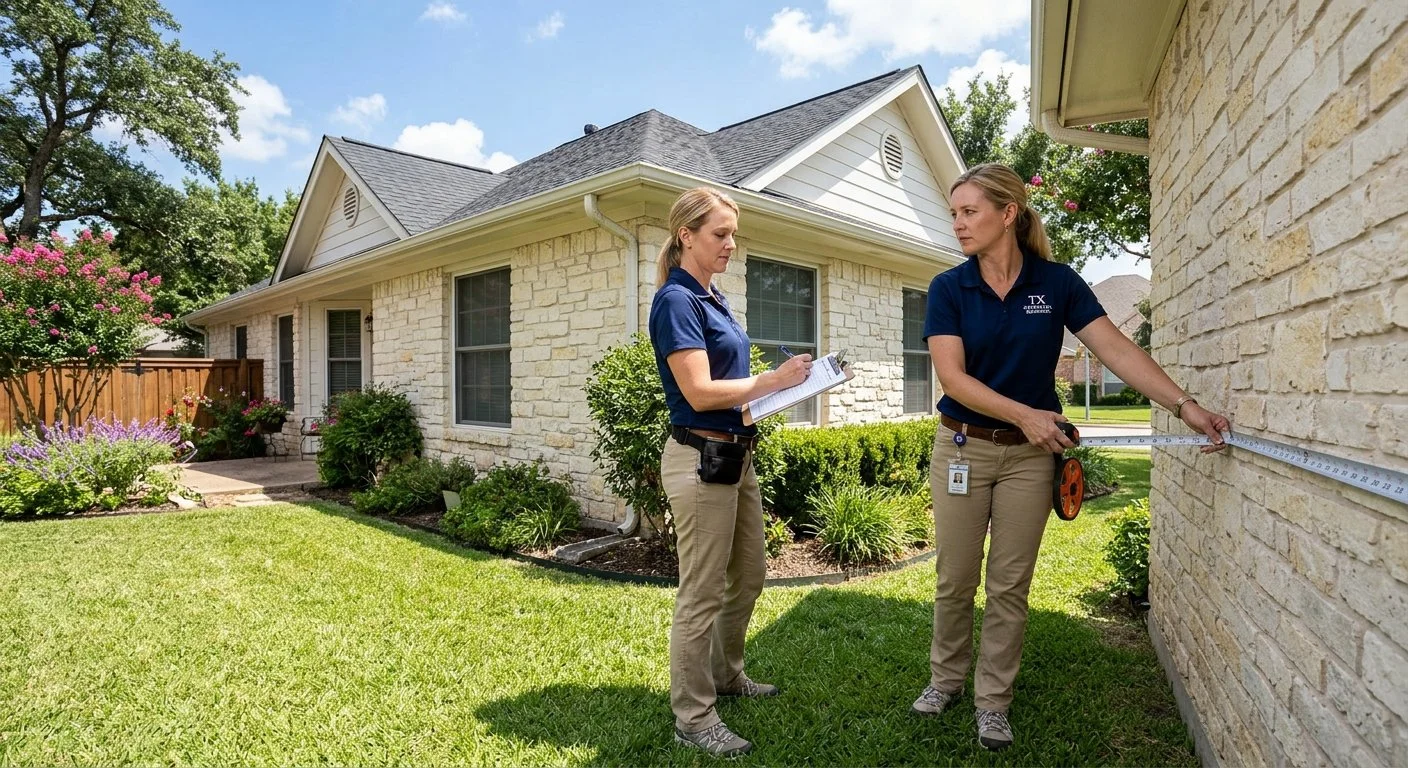
When you hand over your keys or sign a real estate purchase contract, a licensed home appraiser holds the ultimate key to closing the deal. Home appraisers determine whether a mortgage lender will fund a loan or whether a transaction collapses right at the finish line. If you are preparing to sell your home or looking to sell my house fast Houston, understanding how licensed appraisers evaluate property value gives you a decisive edge in protecting your home equity and avoiding costly delays.
A professional real estate appraisal is distinct from a home inspection. While property inspectors search for hidden physical defects to protect buyers, appraisers evaluate total market value to protect mortgage lenders. They analyze physical property condition, gross living area, structural stability, lot characteristics, and hyper-local market comps.
Let’s break down everything appraisers look for during an on-site property walkthrough so you can maximize your home's appraised valuation before the appraiser steps onto your driveway.
1. Property Location and Neighborhood Comparable Sales
An appraiser cannot move your physical home, which makes location the primary foundation of your property appraisal valuation.
Nearby Comparable Sales (Comps)
Appraisers begin their valuation process long before stepping foot inside your house. They pull recent comparable property sales (known as "comps") located within a 0.5- to 1-mile radius that closed within the past three to six months. They match your property against nearby homes possessing similar square footage, bedroom and bathroom counts, architectural styles, and build years. In competitive real estate markets across Texas, recent closed sales establish your property's firm valuation ceiling.
School Districts and Neighborhood Amenities
Homes located within top-rated public school districts, highly sought-after Master-Planned Communities, or near major commercial employment corridors command higher base valuations. Community amenities like swimming pools, tennis courts, paved walking trails, and quick access to major commuter highways like Interstate 10, Interstate 45, or Highway 290 directly enhance market desirability and appraisal numbers.
External Nuisances, Zoning, and Flood Zones
Proximity to negative external influences will drag down an appraisal. Homes backing up to high-voltage power lines, industrial zoning, busy commercial arteries, or noisy railroad tracks receive negative valuation adjustments. Furthermore, flood risk plays a massive role in Texas real estate. Properties situated in designated 100-year floodplains or areas with documented standing water issues require specialized underwriting oversight and often suffer mandatory valuation adjustments.
2. Curb Appeal, Lot Usability, and Exterior Condition
First impressions set the tone for an appraisal walkthrough, but structural exterior components carry substantially more weight than manicured flower beds or freshly cut grass.
Roof Condition, Age, and Shingle Integrity
Appraisers examine your roof for missing shingles, sagging ridge lines, flaking asphalt granules, curling edges, and evidence of water pooling. Government-backed mortgage programs like FHA and VA loans require roofs to have at least two years of remaining physical life. In storm-prone regions subject to heavy hail and severe wind damage, an aging or damaged roof triggers mandatory repairs before loan approval. Homeowners can review official appraisal standards established by the Fannie Mae Single Family Selling Guide to understand how roof integrity directly impacts property risk ratings.
Foundation Integrity and Structural Stability
Texas expansive clay soils expand during wet seasons and shrink dramatically during hot, dry summers. This continuous soil movement creates immense pressure on residential foundations. Appraisers look for visible indicators of structural settling or slab failure:
Horizontal or stair-step cracks running through exterior brickwork, mortar, or stucco
Sloping, unlevel, or dipping interior flooring
Gaps forming between exterior wall surfaces and window or door frames
Interior doors and windows that stick, drag, or fail to latch shut properly
Major structural settlement requires a licensed structural engineer's inspection and slashes appraised values until professional repairs are fully completed.
Lot Size, Topography, and Site Drainage
Appraisers review lot size, boundary dimensions, overall usability, and land slope. Proper site grading must direct rainwater away from the home's foundation. Standing water accumulating against exterior slab walls or adverse surface grading sloping toward the house invites severe structural damage and fungal growth, resulting in quick appraisal deductions.
Siding, Paint, and Exterior Structures
Peeling, rotting, or missing exterior siding lowers a property's overall condition score. For residential homes built before 1978, chipped or flaking interior or exterior paint triggers mandatory lead-based paint remediation under federal housing guidelines. Detached garages, covered back patios, outdoor kitchens, and sturdy perimeter fencing contribute positive secondary value, provided they remain structurally sound and well-maintained.
3. Interior Layout, Square Footage, and Overall Condition
Inside your residence, effective space utilization, functional room design, and overall maintenance standards directly drive the appraiser's mathematical formulas.
Gross Living Area (GLA) Measurements
Gross Living Area represents the total finished, heated, and cooled above-grade residential space in your home. Appraisers carefully measure exterior building dimensions to calculate exact square footage. Unfinished spaces—such as open garages, detached storage sheds, unheated sunrooms, or enclosed back porches lacking permanent HVAC heating and cooling—do not count toward total GLA.
Room Count and Functional Floorplan Layout
Floorplan functionality matters just as much as overall square footage. A four-bedroom layout typically outperforms a two-bedroom design of identical total square footage because it appeals to a broader buyer pool. To qualify as an official bedroom on an appraisal report, a room must meet strict municipal and appraisal standards:
A minimum legal square footage threshold
Built-in closet space
A functional door for privacy
An exterior egress window for emergency escape
Flooring, Walls, Ceilings, and Cosmetic Finishes
Appraisers evaluate surface finishes throughout every room in the house. Cracked interior drywall, ceiling water stains, torn linoleum, worn carpeting, and warped hardwood flooring point to ongoing deferred maintenance. Cosmetic deficiencies lower the home’s assigned condition rating, which ranges from C1 (brand-new construction) to C6 (severe structural impairment). Most conventional and government mortgage underwriters mandate that properties meet a C4 rating or better to secure loan approval.
4. Mechanical Systems, Electrical Infrastructure, and Energy Upgrades
The functional systems operating behind your walls receive intense scrutiny during an appraiser's physical walkthrough.
HVAC Systems and Climate Control Units
Heating, ventilation, and air conditioning (HVAC) systems must function safely, efficiently, and completely. In hot Texas climates, a central air conditioning unit is essential. An inoperable AC compressor, rusted evaporator coils, or a gas furnace with cracked heat exchangers requires immediate line-item repair costs on an appraisal valuation report.
Plumbing Lines and Electrical Panels
Appraisers test plumbing fixtures, run hot and cold water taps to verify pressure, and check for active leaks under bathroom and kitchen sinks. They inspect water heaters to confirm proper temperature and pressure relief valve piping and strapping where required. Electrical service panels must meet safety codes—undersized breaker boxes, exposed wiring, or ungrounded outlets compromise safety and lower property valuations.
High-Value Energy-Efficient Features
Modern energy-saving improvements offer positive line-item adjustments on standard appraisal forms:
High-efficiency HVAC units (high SEER2 rating systems)
Energy Star rated double-pane low-E glass windows and wall insulation
Customer-owned photovoltaic solar panel arrays (leased panels are excluded)
Tankless water heaters, insulated ductwork, and smart programmable thermostats
5. Renovation Quality and High-Yield Upgrades
Not all home improvements yield an equal return on investment. Professional appraisers clearly separate ongoing basic maintenance from high-impact architectural upgrades.
Modernized Kitchens and Luxury Bathrooms
Kitchen and bathroom remodels yield the highest appraisal returns of any residential renovation project. Appraisers look for custom cabinetry, durable solid-surface countertops like quartz or granite, custom tile backsplashes, and modern stainless-steel kitchen appliances. High-end plumbing and lighting fixtures elevate the home's overall finish quality rating on standardized evaluation forms.
Construction Craftsmanship and Permit Verification
Unprofessional DIY work often backfires during an appraisal. Unpermitted home additions, improperly converted garages, or non-code electrical work cannot be included in official living space square footage calculations. Professional building quality, documented municipal building permits, and seamless architectural flow ensure your renovations deliver maximum appraised value.
Secondary Amenities and Swimming Pools
Specialty features such as in-ground swimming pools, covered outdoor living spaces, masonry fireplaces, and custom built-in cabinetry add value, but their monetary impact depends heavily on neighborhood standards. An over-improved property featuring luxury additions in a starter home neighborhood rarely recovers the full financial cost of those renovations on an appraisal report.
6. Safety Hazards, Health Risks, and Loan-Specific Requirements
Appraisers operate under strict government and mortgage lender safety mandates. Uncovering safety or health hazards can halt your real estate closing immediately.
Conventional vs. FHA/VA/USDA Loan Guidelines
Conventional mortgage loans concentrate primarily on overall market value and structural soundness. In contrast, government-backed mortgage programs (FHA, VA, USDA) enforce rigorous Minimum Property Requirements that prioritize safety, security, and structural integrity. Property guidelines set by the U.S. Department of Housing and Urban Development (HUD) mandate strict compliance on several key physical conditions:
Sturdy handrails on all stairways featuring three or more steps
Operational smoke detectors and carbon monoxide alarms near all sleeping areas
Total absence of exposed, frayed, or ungrounded electrical wiring
Safe, unobstructed egress pathways out of all bedrooms
Fully functional plumbing, safe drinking water, and compliant sewage disposal
Termites, Wood Rot, and Water Intrusion
Signs of active subterranean termite infestations, severe wood rot, or fungal decay trigger mandatory pest inspections and chemical treatments prior to loan funding. Likewise, active roof leaks or plumbing seepage that creates visible mold growth must be professionally remediated before an appraiser will issue a final sign-off.
Frequently Asked Questions (FAQ)
What hurts a home appraisal value the most?
Severe deferred maintenance and major structural defects cause the most significant drops in home appraisal value. Active foundation settlement, an aging roof near the end of its functional life, unpermitted room additions, water damage, and failing HVAC or plumbing systems lead to drastic valuation cuts and mandatory lender repair demands.
Does cleaning your house help an appraisal valuation?
While clutter and messy rooms do not technically alter your home's square footage or structural integrity, a clean and organized house makes a strong positive impression. Cleanliness allows the appraiser to easily measure living space, inspect electrical panels, examine water heaters, and access attic hatches without dangerous obstructions.
How do appraisers calculate total home value?
Appraisers rely primarily on the Sales Comparison Approach for single-family homes. They begin by identifying recent sales of comparable properties nearby, establishing a baseline price per square foot, and applying precise dollar-amount adjustments for differences in square footage, overall condition, upgrades, lot size, and specialized amenities.
How can I prepare my home for an upcoming appraisal?
To prepare your house for a successful appraisal:
Complete minor cosmetic repairs like patching drywall holes, fixing leaky faucets, and repainting scuffed trim.
Ensure clear, unobstructed access to your attic hatch, water heater, HVAC unit, and electrical service panel.
Prepare an itemized upgrade sheet detailing major home renovations, installation dates, and receipts.
Secure domestic pets and clean up household clutter so the appraiser can inspect every room easily.
What can I do if my home appraisal comes in lower than the contract price?
If your appraisal comes in below your agreed-upon sale price, you have four strategic options:
Submit a Reconsideration of Value (ROV): File a formal appeal through your mortgage lender highlighting factual errors, incorrect square footage, or superior recent comparable sales that were missed.
Renegotiate the Purchase Contract: Request that the seller lower the purchase price to match the appraised value, or agree to split the financial difference.
Cover the Gap with Cash: The homebuyer pays the difference between the loan amount and the contract price out of pocket at closing.
Cancel the Sale Contract: If you included a standard appraisal contingency in your purchase contract, you can walk away from the deal with your earnest money intact.

How Absolute Properties Helps Houston Sellers
Absolute Properties makes it easy for Houston homeowners to sell fast - even when facing challenges like financial difficulties, inherited properties, troublesome tenants, or repairs.
If you’re thinking, “I need to sell my house fast in Houston…” We buy houses in Houston in any situation or condition!
As-is, fast cash offers with clear terms
Many closing costs covered; no realtor commissions in most cases
You choose the closing date (as little as 7 days, case-dependent)
Coordination with experienced title company for a compliant sale process
Call or text: (713) 230-8059
Email address: info@absolutepropertieshtx.com
Share your street address and timeline for a free consultation and a straightforward number no pressure.
Know someone else who needs to sell? We Also Pay a $1000 Referral Fee!
Helpful Houston Blog Articles
How To Sell Your House in Houston Without Sinking Any More Money Into It
6 Tips For First Time Home Sellers in Houston
Hiring an Agent Vs. A Direct Sale to Absolute Properties When Selling Your House in Houston
Who Pays Closing Costs in Texas
The True Costs of An FSBO Listing for Houston Investors
What To Do With Your Expired Listing in Houston
Also check out our Free Guides & Education & FAQ for more education on how to sell your house for cash quickly to a local home buyer.