What Is Wainscoting — And Does It Add Value to a Home?
Reviewed by Mark Lee
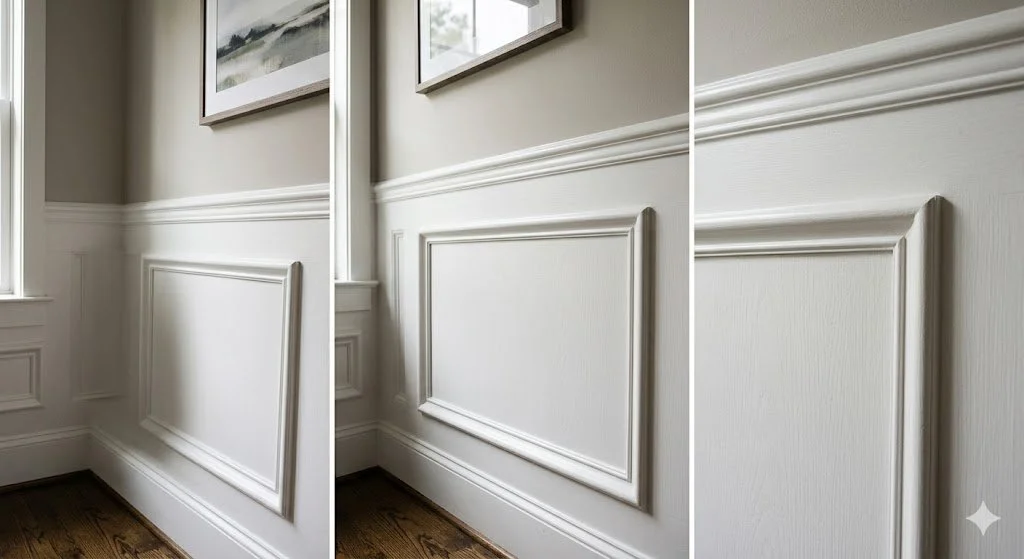
If you’ve ever walked through a historic home in the Houston Heights or a luxury new build in River Oaks, you’ve likely noticed decorative wood paneling covering the lower half of the walls. This classic architectural feature is called wainscoting. While it might seem like a minor design detail, it plays a massive role in a home's character and protection. If you are preparing to list your property and wondering if upgrades like this are worth the investment before you look for Cash Home Buyers, understanding the ROI of interior millwork is essential.
Wainscoting has evolved from a functional necessity in the 18th century to a high-end design statement today. In this guide, we’ll explore the different types of wainscoting, its historical roots, and whether it actually moves the needle on your home’s appraisal value in the competitive Texas market.
The History and Evolution of Wainscoting
To understand why wainscoting remains a staple in high-end real estate, we have to look back at its origins. Long before modern insulation existed, stone and brick walls in European homes were notorious for radiating cold and dampness.
A Functional Beginning
In the 1300s, homeowners began installing oak panels on the lower portion of their walls to provide a layer of insulation against the rising damp. This wasn't about style; it was about survival and comfort. The word itself comes from the Middle Dutch term "wagenschot," which referred to a high-quality grade of oak wood used for paneling.
Transitioning to a Decorative Element
As building technology improved, the need for wooden insulation faded. However, the aesthetic remained popular. By the Victorian era, wainscoting became a symbol of craftsmanship and wealth. In older Houston neighborhoods, you can still find original beadboard or raised-panel wainscoting that has survived for nearly a century, proving that good millwork never truly goes out of style.
The Most Popular Types of Wainscoting for Modern Homes
Not all wainscoting is created equal. Depending on the architectural style of your Houston home—whether it's a Craftsman bungalow or a sleek contemporary build—the type of paneling you choose will vary significantly.
1. Raised Panel Wainscoting
This is the most traditional and formal style. It consists of panels that are literally raised toward the room, surrounded by decorative molding. You’ll typically see this in formal dining rooms or executive home offices. It creates a sense of depth and architectural weight that few other wall treatments can match.
2. Flat Panel (Shaker Style)
If you prefer a cleaner, more minimalist look, flat panel wainscoting is the way to go. Often referred to as "Shaker style," these panels sit behind the stiles and rails (the vertical and horizontal boards), creating a recessed effect. This is incredibly popular in modern farmhouse designs across the Greater Houston area.
3. Beadboard
Beadboard consists of narrow vertical wood planks separated by a small ridge or "bead." This style is much more casual and is frequently used in mudrooms, bathrooms, and kitchens. It’s excellent for protecting walls in high-traffic areas where kids or pets might cause scuffs.
4. Board and Batten
Board and batten involves wide vertical boards (the boards) covered by narrower strips (the battens) at the seams. It was originally used on the exterior of barns but has become a darling of the interior design world. It’s versatile, relatively affordable, and provides a striking geometric pattern that works well in entryways.
Does Wainscoting Actually Add Resale Value?
This is the million-dollar question for Houston homeowners. Does spending several thousand dollars on professional millwork translate to a higher sales price? The answer is nuanced: it adds "perceived value," which often leads to a faster sale and a more competitive bidding environment.
Enhancing Architectural Interest
Most modern homes are built with "sheetrock boxes"—perfectly flat, featureless rooms. Adding wainscoting breaks up the monotony and gives a room a "finished" look. When a buyer walks into a home with high-quality wainscoting, they immediately perceive the property as being higher-end or more "custom" than a neighboring home with plain walls.
Durability and Protection
In the humid Texas climate, walls take a beating. Wainscoting provides a durable barrier against chair backs in dining rooms and moisture in bathrooms. Savvy buyers recognize that wood or MDF paneling is much easier to wipe down and harder to dent than standard drywall. This practical benefit shouldn't be overlooked when calculating ROI.
Market-Specific Performance
In neighborhoods like West University or The Woodlands, buyers expect a certain level of trim and finish. In these markets, wainscoting isn't just an "extra"; it’s often expected. Homes that lack these details may actually see a decrease in interest compared to renovated properties that feature professional millwork. For more data on how interior finishes impact regional prices, check out the latest Houston Association of Realtors (HAR) market reports.
Materials and Installation Costs in Texas
If you’re considering adding wainscoting, you have to decide between traditional wood or modern alternatives like MDF (Medium-Density Fiberboard).
Wood vs. MDF
Solid wood is the premium choice, offering beautiful grain patterns and incredible longevity. However, in Houston’s fluctuating humidity, solid wood can expand and contract, potentially leading to cracks in the paint at the seams. MDF is much more stable, cheaper to produce, and takes paint beautifully, making it the preferred choice for most professional installers in the region.
Labor and Pricing
Professional installation is key. Misaligned corners or uneven spacing will actually detract from your home’s value. On average, you can expect to pay between $15 and $40 per linear foot for professional installation, depending on the complexity of the design and the height of the wainscoting. A standard 12x12 dining room could cost anywhere from $1,000 to $3,500 for a professional job.
Design Rules: Getting the Height and Color Right
One of the biggest mistakes homeowners make is getting the proportions wrong. If the wainscoting is too high or too low, it can make the ceilings feel shorter and the room feel cramped.
The Rule of Thirds
The most aesthetically pleasing height for wainscoting is roughly one-third of the total wall height. For a standard 9-foot ceiling, your wainscoting should be about 36 inches high (including the chair rail). If you have vaulted or 12-foot ceilings, you can push that height up to 48 or even 60 inches for a more dramatic, "library" feel.
Choosing Your Color Palette
While traditional white is the safest bet for resale, "moody" colors are trending in Texas. Dark navy, forest green, or charcoal wainscoting can create a stunning focal point in a dining room or study. However, if you are planning to sell in the near future, sticking to a classic off-white or light gray ensures you don’t alienate buyers who prefer a more neutral aesthetic.
Integrating with Existing Trim
For the best visual result, your wainscoting must integrate seamlessly with your existing baseboards and door casings. If your baseboards are thin and modern, but your wainscoting is thick and ornate, the transition will look clunky. Many homeowners choose to replace their baseboards at the same time they install wainscoting to ensure a cohesive look throughout the room.
Is DIY Wainscoting Worth It?
With the rise of "peel-and-stick" molding and pre-fabricated panels at big-box stores like The Home Depot, many Houstonians are tempted to tackle this as a weekend project.
The Pros of DIY
You can save significantly on labor costs. If you have a miter saw, a level, and a steady hand, a basic board and batten project is manageable for an experienced DIYer. It’s an affordable way to upgrade a nursery or a laundry room without breaking the bank.
The Risks of DIY
Real estate appraisers and high-end buyers have a "trained eye" for millwork. Gaps in the miter joints, visible nail holes, or uneven spacing are immediate red flags that scream "cheap renovation." If your goal is to add legitimate resale value, hiring a professional trim carpenter is almost always the better investment. Poorly executed DIY work may actually need to be ripped out by the next owner, which could lead to a lower offer.
FAQ: Everything Homeowners Need to Know
Does wainscoting make a room look smaller?
If done correctly, no. In fact, by creating a horizontal line, wainscoting can make a room feel wider. Using a light color for the paneling and the same color (or a slightly lighter shade) for the wall above can actually make a small room feel much more open and airy.
Can you put wainscoting over wallpaper?
Technically, yes, but it isn't recommended. For the best adhesion and a flush finish, you should remove the wallpaper or install a thin "skin" of plywood (1/8 inch) over the wall before applying the decorative trim. This prevents the texture of the wallpaper from showing through and ensures the wood stays securely attached.
Is wainscoting still in style for 2026?
Absolutely. While specific styles like "farmhouse board and batten" fluctuate in popularity, the concept of architectural millwork is a timeless design principle. In 2026, we are seeing a shift toward more intricate, traditional raised panels and "picture frame" molding, often painted in monochromatic colors that match the rest of the wall.
How do you clean and maintain wainscoting?
One of the best things about wainscoting is how easy it is to maintain. For painted MDF or wood, a simple damp cloth with mild soap is usually enough to remove scuffs and dust. Because it's a hard surface, it doesn't trap allergens like wallpaper or fabric wall coverings might.
Is it okay to only put wainscoting in one room?
Yes! It is very common to only use wainscoting in "public" or "formal" areas like the entryway, dining room, or powder bath. You don't have to carry it through the entire house to reap the design benefits. Using it in a single room creates a "destination" feel and adds a sense of purpose to that specific space.

How Absolute Properties Helps Houston Sellers
Absolute Properties makes it easy for Houston homeowners to sell fast - even when facing challenges like financial difficulties, inherited properties, troublesome tenants, or repairs.
If you’re thinking, “I need to sell my house fast in Houston…” We buy houses in Houston in any situation or condition!
As-is, fast cash offers with clear terms
Many closing costs covered; no realtor commissions in most cases
You choose the closing date (as little as 7 days, case-dependent)
Coordination with experienced title company for a compliant sale process
Call or text: (713) 230-8059
Email address: info@absolutepropertieshtx.com
Share your street address and timeline for a free consultation and a straightforward number no pressure.
Know someone else who needs to sell? We Also Pay a $1000 Referral Fee!
Helpful Houston Blog Articles
How To Sell Your House in Houston Without Sinking Any More Money Into It
6 Tips For First Time Home Sellers in Houston
Hiring an Agent Vs. A Direct Sale to Absolute Properties When Selling Your House in Houston
Who Pays Closing Costs in Texas
The True Costs of An FSBO Listing for Houston Investors
What To Do With Your Expired Listing in Houston
Also check out our Free Guides & Education & FAQ for more education on how to sell your house for cash quickly to a local home buyer.