Selling a House with Liens in Houston
Reviewed by Mark Lee
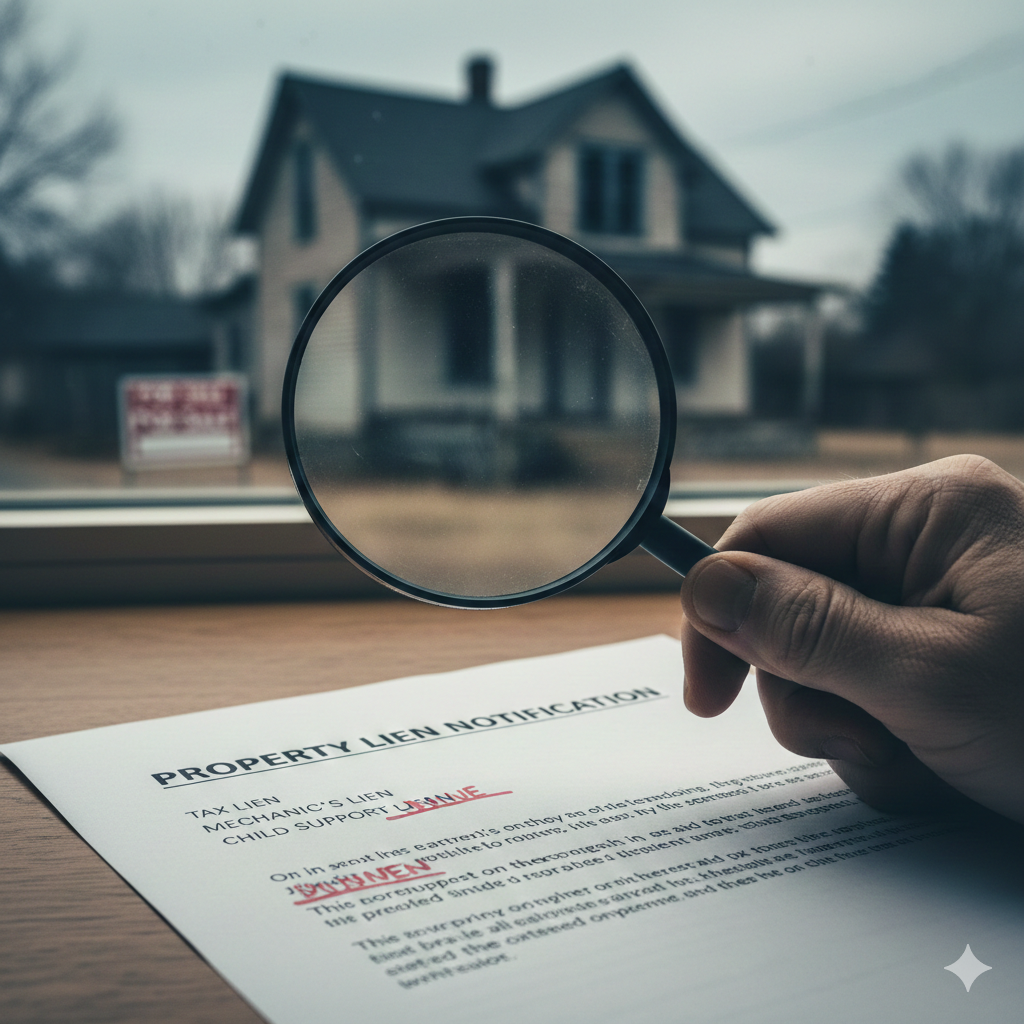
Selling a home is already a marathon of paperwork and logistics. But when you discover there’s a lien attached to your property, it can feel like you’ve suddenly been asked to run that marathon through waist-deep water. In the sprawling Houston real estate market, where property values are shifting and legal requirements are strict, navigating this hurdle requires a specific game plan.
Whether it’s a surprise tax lien from Harris County or a lingering mechanic's lien from a kitchen remodel three years ago, these legal claims don't have to be deal-breakers. You can still reach the closing table. The key is understanding how Texas law treats these debts and knowing which path—traditional listing or working with Cash Home Buyers—makes the most sense for your timeline and bank account.
In this guide, we’re going to break down exactly how to handle liens in the Bayou City, from the initial discovery to the final signature at the title company.
What Exactly Is a Property Lien in Texas?
Think of a lien as a legal "sticky note" attached to your property deed. It’s a public record that tells the world—and specifically potential buyers—that you owe someone money, and your house is the collateral. In Houston, liens are recorded at the Harris County Clerk’s office.
Because a lien clouds the "clear title," most traditional buyers won't touch the property. Their mortgage lenders simply won't approve a loan for a home that has other people's hands in the cookie jar. If you want to sell, that sticky note has to be peeled off.
Voluntary vs. Involuntary Liens
Not all liens are "bad" in the traditional sense. A mortgage is a voluntary lien. You agreed to it when you took out the loan. Involuntary liens, however, are the ones that usually cause the most stress. these are placed against your will because of unpaid debts, such as:
Unpaid property taxes (which move to the front of the line in Texas).
Unpaid child support.
Judgment liens from a lawsuit.
Mechanic’s liens from contractors who weren't paid for work.
Why Houston Homeowners Often Face Liens
Houston’s rapid growth and complex weather events (like freezes and hurricanes) often lead to a high volume of home repairs. We frequently see mechanic's liens pop up when there’s a dispute between a homeowner and a roofing company or general contractor. Additionally, Texas has robust laws regarding property tax collection; if you fall behind on your payments to the city or county, they are remarkably efficient at placing a lien on your home to ensure they get their cut.
Common Types of Liens Encountered in Houston
Understanding the "flavor" of the lien you're dealing with is the first step toward clearing it. Each type carries different weights and legal requirements for removal.
Federal Tax Liens (IRS)
If you owe the IRS back taxes, they can place a lien on all your assets, including your Houston home. These are serious. The IRS doesn't play around, and their lien stays "attached" to the property even if you try to transfer it, unless they are paid out of the proceeds or you reach an offer in compromise.
Property Tax Liens
In Texas, property taxes are "super liens." They generally take priority over everything else, including your mortgage. If you have unpaid taxes to Houston ISD or Harris County, the taxing authority can actually foreclose on your home to get their money. When selling, these are almost always the first items paid at the closing table.
Judgment Liens
A judgment lien occurs when a person or company sues you, wins the case, and is awarded a specific amount of money. To ensure they get paid, they record an Abstract of Judgment (AJ) in the Harris County property records. Once that AJ is recorded, it automatically attaches to any non-exempt real estate you own in that county. If you’re trying to sell a rental property or a second home in Houston, that judgment is like a legal "boot" on your car—the property isn't going anywhere until the debt is addressed.
Solar Panel Liens
With Houston’s push toward green energy, solar panel liens are becoming incredibly common. Most solar companies don't place a traditional lien on your real estate; instead, they file a UCC-1 Financing Statement. This is technically a lien on the "personal property" (the panels and equipment) rather than the house itself.
However, because the panels are bolted to your roof, they are often considered "fixtures." Title companies and buyers' lenders usually treat a UCC-1 filing as a cloud on the title. When selling, you generally have to pay off the solar loan in full at closing or find a buyer willing to go through the rigorous process of assuming the loan, which requires the solar company's approval and a credit check for the new owner.
Code Violation & Nuisance Abatement Liens
In Houston, if the city has to step in to fix a problem on your property—like mowing overgrown weeds, boarding up a dangerous building, or draining a stagnant pool—they won't do it for free. The City of Houston will file a Nuisance Abatement Lien to recoup their costs. Additionally, unpaid administrative fines for building code violations can escalate into liens. These "municipal liens" stay with the property and must be settled before you can pass a clear title to a new owner.
HOA Liens
Houston is the land of the Homeowners Association. If you've missed your monthly or annual dues, or if you’ve ignored repeated fines for that unpainted fence, your HOA can place a lien on your home. In Texas, HOAs have significant power and can even initiate foreclosure proceedings in certain circumstances.
Mechanic’s Liens
Did you hire a contractor to fix your AC during a July heatwave and then have a dispute over the final bill? That contractor can file a mechanic’s lien. In Texas, there are very specific statutory requirements for filing these. If a contractor misses a deadline or fails to send the proper notices, the lien might actually be invalid, though it will still show up on a title search until contested.
The Step-by-Step Process to Sell a House with Liens
Selling a burdened property requires a bit more legwork than a standard sale. You can't just slap a "For Sale" sign in the yard and hope for the best. You need to be proactive.
Step 1: Perform a Title Search
Don't wait for a buyer’s title company to find the skeletons in your closet. You can do a preliminary search through the Harris County Clerk’s online records or hire a title company to run a "title commitment" for you. This will show you exactly who thinks you owe them money and for how much.
Step 2: Verify the Debt
Mistakes happen. Sometimes a lien remains on record even after the debt has been paid. Other times, the amount is vastly inflated due to predatory interest rates or administrative errors. Contact the lienholder and ask for a "payoff letter." This document states exactly what is owed to satisfy the debt in full.
Step 3: Negotiate with Lienholders
Believe it or not, most lienholders would rather have some money now than no money forever. If you don't have enough equity in the home to pay off the lien in full, you (or your attorney) can negotiate a settlement. For example, a credit card company with a judgment lien might accept 50 cents on the dollar just to close the file.
Step 4: Choose Your Selling Strategy
You have three primary ways to handle the sale:
Pay it off beforehand: If you have the cash sitting in a bank account, pay the debt and get a "Release of Lien" recorded immediately. This makes the sale "clean."
Pay at closing: This is the most common method. The title company takes the money directly from your sale proceeds and sends it to the lienholder. You get whatever is left.
Sell to a professional buyer: Companies that buy houses for cash often specialize in "ugly" situations. They can buy the property as-is, liens and all, and handle the legal headaches for you.
Can You Sell a House with a Lien Without Paying it Off?
The short answer is: Technically yes, but it’s complicated.
In a traditional retail sale, the buyer's mortgage company will require "clear title." They will not allow their loan to be in second place behind an old tax debt or a judgment. Therefore, the lien must be satisfied at or before closing.
However, there are "subject-to" transactions or sales to private investment firms where the buyer may agree to take on the property with the lien still attached. This is rare and usually involves a significant discount on the sale price because the buyer is taking on your legal liability.
The Texas Homestead Exemption Shield
Texas has some of the strongest homestead protection laws in the country. In many cases, a judgment lien (from a credit card or a medical bill) cannot actually be used to force the sale of your primary residence. While the lien might stay on the record and "cloud" the title, you may be able to file a Partial Release of Lien based on the homestead status. This is a nuanced legal maneuver that requires a savvy real estate attorney, but it can save Houstonians thousands of dollars at the closing table.
Why Selling to a Cash Buyer is Often the Best Route
If you’re staring at a stack of liens and your mortgage is also behind, the traditional real estate market can be unforgiving. A Realtor will likely ask you to clear the liens before listing, or they’ll struggle to find a buyer willing to wait out the legal process.
Speed and Simplicity
When you sell to a local Houston investment group, you aren't waiting for a bank’s appraisal or a long-winded title discovery period. Professional buyers do their own due diligence. They’ve seen every type of lien imaginable—from IRS problems to messy probate issues—and they have the legal resources to navigate them.
No Out-of-Pocket Costs
To sell a house with liens traditionally, you might need to pay for repairs to make it "marketable," plus commissions and closing costs. If the liens take up most of your equity, you could end up having to pay money at the closing table just to get rid of the house. Cash buyers generally cover all closing costs and buy the home exactly as it stands today.
Dealing with "Clouded" Titles
If your title is "cloudy"—meaning there are disputes about who actually owns the property or how much is owed—a cash buyer is often the only party willing to take that risk. They work closely with specialized title companies in Houston that know how to resolve these issues efficiently.
Frequently Asked Questions About Liens in Houston
Can I sell my house if I have a child support lien?
Yes, but Texas law is very strict about this. Child support liens generally must be paid out of the proceeds of the sale. Because these are considered "obligations of conscience," title companies will almost always require them to be settled before they will issue a title insurance policy to the new buyer.
How long does a lien stay on a property in Texas?
It depends on the type. A judgment lien is usually valid for 10 years but can be renewed for another 10. A mechanic's lien has much shorter windows and can expire if the contractor doesn't file a lawsuit to "perfect" it within a specific timeframe. However, even an expired lien can cause problems because it stays on the public record until a release is filed.
Will a lien affect my credit score?
The lien itself might not show up on your credit report anymore (due to changes in credit reporting laws a few years ago), but the underlying debt—like a judgment or unpaid taxes—certainly will. Furthermore, a lien makes it nearly impossible to refinance or take out a home equity loan.
What if the lien is for more than the house is worth?
This is known as being "underwater" with liens. In this scenario, you would likely need to negotiate a "short sale" with the lienholders. You'd be asking them to accept less than the full amount because if the house goes to foreclosure, they might get nothing at all.
Do I need a lawyer to sell a house with a lien?
While not strictly required by Texas law, it is highly recommended. Real estate law in Texas is unique, and "homestead" protections are complex. An attorney can help you file the necessary affidavits to protect your equity from certain types of creditors.
How do I remove a lien once it's paid?
Once you pay the debt, the creditor must sign a "Release of Lien." You then take this document (usually a notarized original) to the Harris County Clerk’s office and pay a small recording fee. Once it's stamped and recorded, the "sticky note" is officially removed from your title.
Final Thoughts for Houston Sellers
Selling a house with liens in Houston isn't a dead end; it's just a detour. The most important thing you can do is face the situation head-on. Ignoring a lien only allows interest and penalties to grow, eating away at whatever equity you have left in your home.
Whether you choose to fight the lien in court, negotiate a settlement, or sell the property as-is to a cash buyer, you have options. The Houston market is resilient, and there is always a buyer for every property—no matter how much paperwork is attached to it.
If you’re feeling overwhelmed by liens and need a clear exit strategy, we can help. Would you like Absolute Properties to provide a cash offer on your Houston property and handle the lien negotiations for you?

How Absolute Properties Helps Houston Sellers
Absolute Properties makes it easy for Houston homeowners to sell fast - even when facing challenges like financial difficulties, inherited properties, troublesome tenants, or repairs.
If you’re thinking, “I need to sell my house fast in Houston…” We buy houses in Houston in any situation or condition!
As-is, fast cash offers with clear terms
Many closing costs covered; no realtor commissions in most cases
You choose the closing date (as little as 7 days, case-dependent)
Coordination with experienced title company for a compliant sale process
Call or text: (713) 230-8059
Email address: info@absolutepropertieshtx.com
Share your street address and timeline for a free consultation and a straightforward number no pressure.
Helpful Houston Blog Articles
How To Sell Your House in Houston Without Sinking Any More Money Into It
6 Tips For First Time Home Sellers in Houston
Hiring an Agent Vs. A Direct Sale to Absolute Properties When Selling Your House in Houston
Who Pays Closing Costs in Texas
The True Costs of An FSBO Listing for Houston Investors
What To Do With Your Expired Listing in Houston
Also check out our Free Guides & Education & FAQ for more education on how to sell your house for cash quickly to a local home buyer.