The High Stakes of Selling a House with an Old Roof in Houston
Reviewed by Mark Lee
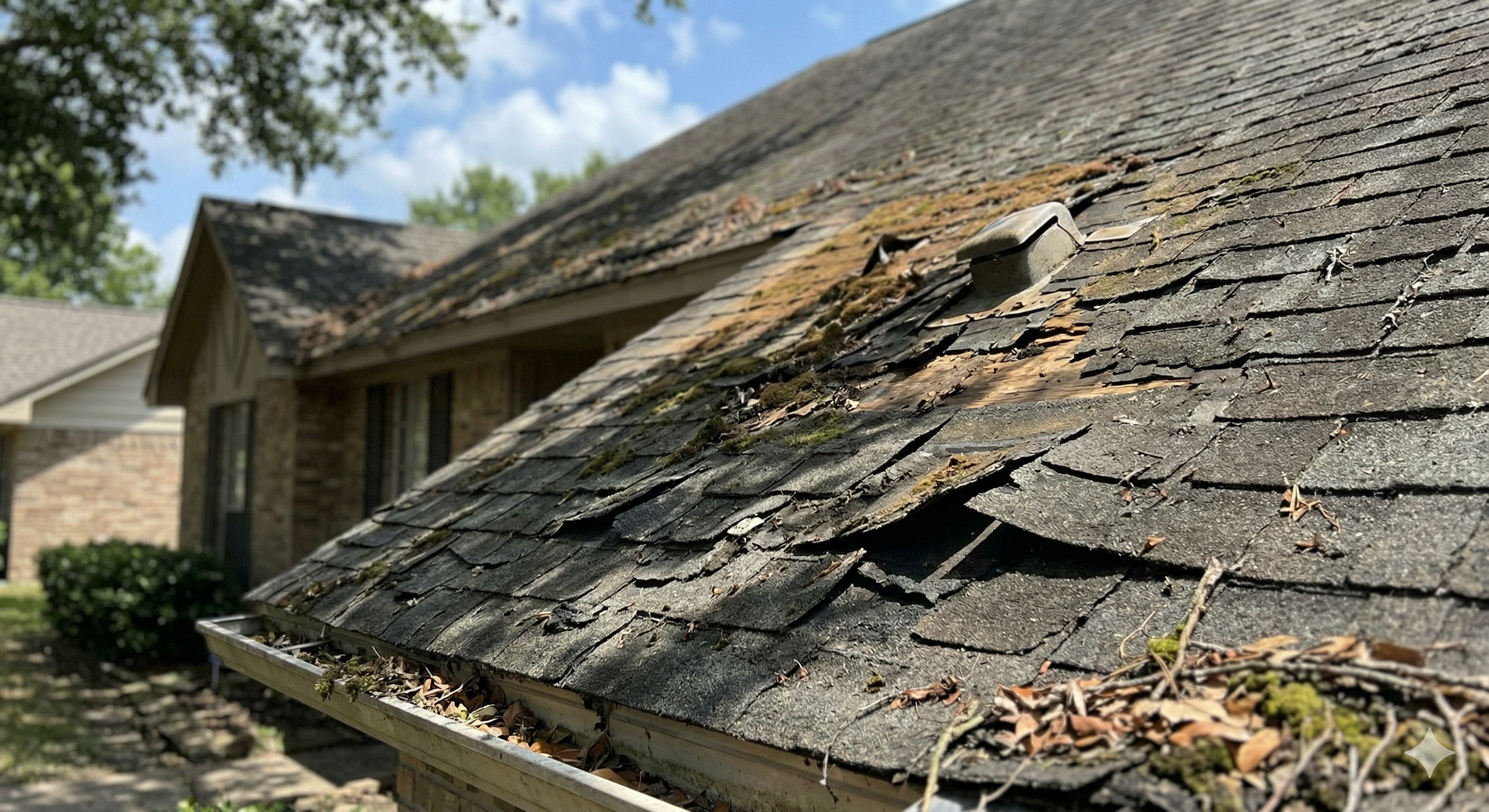
Selling a home is already a marathon of paperwork, cleaning, and nerves. When you add a twenty-year-old roof into the mix—especially in a place like Houston—that marathon can start to feel like an uphill climb through a swamp. You know the roof is nearing the end of its life, and you’re probably wondering if you should shell out $15,000 for a replacement or just cross your fingers and hope the inspector doesn't look too closely. Spoiler alert: they always look.
If you’re thinking, "I just want to sell my house fast Houstonand move on," you aren't alone. The Bayou City presents unique challenges for homeowners. Between the scorching Gulf Coast sun and the annual threat of hurricane season, a roof isn't just a design choice; it’s the only thing standing between your living room and a tropical downpour. An aging roof can be a massive red flag for traditional buyers, but it doesn’t have to be a deal-breaker.
In this guide, we’re going to dive deep into the reality of the Houston real estate market. We will explore whether you should repair, replace, or sell "as-is," and how to navigate the tricky waters of insurance and inspections without losing your shirt.
The Houston Climate vs. Your Roof’s Lifespan
In many parts of the country, a standard asphalt shingle roof might last 25 to 30 years. In Southeast Texas? That’s wishful thinking. Our climate is essentially a laboratory designed to destroy building materials. We deal with extreme UV exposure that bakes shingles until they become brittle, followed by intense humidity that encourages algae and moss growth.
The Impact of Tropical Weather
We can’t talk about Houston roofs without mentioning wind and rain. Even if your roof hasn't suffered a direct hit from a hurricane recently, the cumulative effect of seasonal thunderstorms and high-wind events takes a toll. Granule loss is a major issue here; those tiny pebbles on your shingles protect the underlying asphalt from the sun. Once they wash away into your gutters, the "aging" process accelerates exponentially.
Why Buyers Are Extra Cautious Here
Because of our weather history, Houston buyers are incredibly roof-conscious. They know that a leaky roof leads to mold, and mold is a four-letter word that can kill a real estate deal faster than a low appraisal. When a buyer sees curled shingles or dark streaks on a home in neighborhoods like The Heights or Sugar Land, they don't just see a repair—they see a potential nightmare involving FEMA claims and skyrocketing insurance premiums.
Red Flags: How to Spot a Roof That’s Timing Out
Most homeowners don’t spend a lot of time staring at their shingles until a drip hits the floor. However, a savvy buyer or a professional inspector will spot the signs of aging from the curb. In Houston, these signs aren't just aesthetic issues; they are indicators that the home's primary defense system is failing.
The "Curling and Clawing" Effect
Take a look at your shingles during the brightest part of the day. Do the edges look like they are turning upward (curling) or are the centers humped up (clawing)? This happens because the asphalt base has dried out from years of Texas heat. Once shingles lose their flexibility, they become brittle. Brittle shingles are prone to snapping off during high winds, leaving your roof deck exposed to the next thunderstorm.
Granule Loss: The "Bald Spot" Syndrome
Have you noticed what looks like coarse black sand in your gutters or at the base of your downspouts? Those are granules. Think of granules as the "sunscreen" for your roof. They protect the asphalt from UV rays. When a roof reaches the end of its life, it sheds these granules at an accelerated rate. If you can see smooth, dark patches on your shingles from the ground, your roof is effectively "balding," and the sun will eat through the remaining material in no time.
The Tell-Tale Signs of Moss and Algae
While some people think a bit of green on the roof looks "cottage-core," in Houston, it’s a warning sign. While algae (those dark streaks) is mostly cosmetic, moss is a different beast. Moss holds onto moisture like a sponge. In our humidity, that moisture sits against your shingles, eventually rotting the wooden decking underneath. If an inspector sees moss, they’re going to assume there is wood rot, and that's a much more expensive repair than just swapping out shingles.
Compromised Flashing and Boot Failures
Sometimes the shingles are okay, but the "connective tissue" is failing. Flashing is the metal material that directs water away from chimneys, vents, and valleys. Over time, the sealant around these areas cracks. In Houston's extreme temperature swings—where it can be 40 degrees in the morning and 85 by the afternoon—metal expands and contracts, eventually pulling away from the structure. If your "boots" (the rubber seals around PVC vent pipes) are cracked and dry-rotted, you’ve got a leak waiting to happen.
Internal Clues: Checking the Attic "Crime Scene"
If you really want to know if your roof is going to pass an inspection, you have to go into the attic with a flashlight. This is where the roof tells its secrets.
Daylight Where It Shouldn't Be
This is the most obvious sign. If you turn off the lights in your attic and see pinpricks of sunlight peeking through the roof boards, you have a major problem. If light can get in, water can get in. Even if it’s not dripping on your head yet, the humidity is entering your attic space, which can lead to mold and higher cooling costs.
Water Stains and "Shadowing"
Look at the rafters and the underside of the roof decking. Do you see dark brown rings or streaks? Even if they feel dry to the touch right now, those are "ghosts" of past leaks. Buyers will see these and immediately assume the roof is compromised. If you see white, fuzzy growth, that’s mold, and in the Texas real estate market, that is a massive liability that can require professional remediation before a bank will fund a loan.
Sagging Decking
If the roofline looks "wavy" from the outside or if the boards look like they are dipping between the rafters from the inside, you are looking at structural damage. This usually happens when a leak has gone unnoticed for years, causing the plywood decking to rot and lose its strength. A sagging roof is often an automatic "replace" requirement from any insurance company or lender.
To Replace or Not to Replace: The Seller’s Dilemma
This is the million-dollar question (or at least the fifteen-thousand-dollar one). Should you replace the roof before listing? There is no one-size-fits-all answer, but we can look at the math.
The Argument for Replacement
Replacing the roof before you list gives you a powerful marketing tool. You can put "BRAND NEW ROOF (2026)" in the first line of your MLS description. This does two things: it attracts FHA and VA buyers who have strict property condition requirements, and it removes the biggest "unknown" cost for a potential shopper. Buyers are notorious for overestimating the cost of repairs.
While a roof might cost you $12,000, a buyer might see it and think, "That's going to cost me $25,000," and they will lower their offer accordingly.
The Argument for Selling As-Is
Sometimes, the liquid cash just isn't there. If you don't have the funds to replace the roof upfront, you can list the home at a price that reflects the condition. This usually attracts investors or "handyman special" buyers. However, be prepared: your pool of buyers will shrink significantly. Most traditional families moving into a new home don't want to deal with a construction crew the week after they move in. You also run the risk of the home sitting on the market, which leads to "listing fatigue" and even lower offers.
The Middle Ground: Credit at Closing
A common tactic in Texas real estate is offering a "roof credit." You keep the old roof, but you agree to credit the buyer a specific amount of money at closing to go toward a future replacement. This keeps your cash in your pocket during the listing period, but it still acknowledges the elephant in the room. The downside? Some lenders won't allow this if the roof is in truly "failed" condition.
The Insurance Hurdle: Why Your Roof Might Kill the Deal
In the last few years, the insurance landscape in Texas has shifted dramatically. It’s no longer just about whether the roof leaks; it’s about whether the buyer can even get a policy.
The 15-Year Rule
Many insurance carriers in Texas have become extremely strict. Some companies will refuse to write a new "Replacement Cost Value" (RCV) policy for a home with a roof older than 15 or even 10 years. Instead, they might only offer "Actual Cash Value" (ACV), which pays out significantly less if there's a claim. If a buyer can’t get affordable insurance, their lender won't approve the mortgage. This is a common reason why deals fall out of escrow in the eleventh hour.
The Inspection Report
Even if you find a buyer who loves the house, the inspection is the "moment of truth." A Houston inspector will get up on that ladder and look for "functional damage." If they find hail hits or signs of wood rot in the decking, the buyer’s lender will likely demand a repair before they fund the loan. In Texas, the Texas Real Estate Commission (TREC) sets the standards for these inspections, and they are thorough. If the inspector flags the roof as "at or near the end of its useful life," your buyer’s excitement will evaporate instantly.
How to Market a House with an Older Roof
If you’ve decided to sell without replacing the roof, you need a strategic approach to your marketing. Honesty is the best policy here, not just for ethics, but for legal protection.
Disclose, Disclose, Disclose
In Texas, the Seller’s Disclosure Notice is a legal requirement. You must note the age of the roof and any known leaks or repairs. Trying to hide a water stain with a fresh coat of paint is a recipe for a lawsuit. By being upfront, you set the expectations early. You want the buyers who walk through your door to already know the roof is old so that it’s not a "surprise" during the inspection phase.
Highlight Other Upgrades
If your roof is the only weak point, make sure everything else shines. If the HVAC is new, the water heater is recent, and the kitchen has been updated, emphasize those. You want the buyer to feel like the roof is the only project they’ll have to tackle. When a house has an old roof and an old AC and dated carpet, buyers start to feel overwhelmed and walk away.
Target the Right Buyer
Traditional buyers using FHA or VA loans are the hardest to sell to when a roof is failing. These government-backed loans have "Minimum Property Standards" that require the roof to have at least 2-3 years of remaining life. If you know your roof is shot, you might want to specifically target cash buyers or investors. These buyers aren't bound by lender requirements and are much more comfortable taking on a "fixer-upper" project in exchange for a better price.
Practical Steps to Take Before You List
Before you put that "For Sale" sign in the yard, take these three steps to protect your equity.
1. Get a Professional Roof Inspection
Don't rely on your own eyes. Hire a reputable Houston roofing contractor to give you a "condition report." They can tell you exactly how much life is left and if there is any unfiled storm damage. If there is hail damage from a recent Texas storm, you might be able to file an insurance claim and get the roof replaced for just the cost of your deductible before you sell.
2. Gather Your Paperwork
Find any receipts for past repairs. If you had a minor leak fixed two years ago, having the invoice showing it was professionally repaired gives buyers peace of mind. It shows you’ve been a responsible homeowner who hasn't ignored maintenance.
3. Get a Replacement Quote
Even if you don't plan to do the work, get a firm written estimate from a local roofer. When a buyer tries to ask for a $30,000 price drop because of the roof, you can whip out your $12,000 quote and say, "Actually, here is what it costs to fix." This keeps the negotiations grounded in reality rather than the buyer's imagination.
FAQ: Selling a Houston Home with an Aging Roof
Can I sell my house if the roof is leaking?
Yes, you can sell a house with a leak, but you must disclose it. In Houston, most traditional buyers will require the leak to be fixed before closing. If you don't want to fix it, you will likely need to sell to a cash buyer or an investor who specializes in distressed properties.
Will an old roof fail a 4-point inspection?
In Texas, insurance companies often require a 4-point inspection (Roof, Electrical, Plumbing, HVAC) for older homes. If the roof is deemed to have less than three years of life remaining or shows signs of active leaking, the insurance company may deny coverage, which effectively stops a financed sale in its tracks.
How much does a new roof add to the home value?
While you rarely get a 100% return on investment, a new roof is one of the best ways to protect your home's value. In the Houston market, a new roof can increase the selling price and, more importantly, significantly decrease the "days on market," helping you sell much faster.
Should I file an insurance claim before selling?
If there has been a significant wind or hail event in your area recently, it is worth having a contractor look for damage. If the damage is covered, getting a new roof through insurance only costs you your deductible and can save the sale of your home. However, be wary of "storm chasers" and stick with local, established Houston companies.
Can a buyer get a mortgage on a house with a 20-year-old roof?
It depends on the type of loan. Conventional loans are more flexible, but the appraiser will still note the condition. FHA and VA loans are much stricter. If the roof is curling, missing shingles, or leaking, the lender will almost certainly require repairs or replacement before they fund the loan.
Can I just repair the bad spots instead of a full replacement?
In some cases, yes. If the roof is relatively young (under 10 years) and the damage is localized to one area, a repair is a smart, cost-effective move. However, if the shingles are old and brittle, "patching" them can actually cause more damage to the surrounding shingles. It’s like trying to sew a new piece of fabric onto a piece of wet tissue paper.
How do I know if my roof has storm damage versus just being old?
This is where a professional comes in. General "old age" is characterized by even wear and granule loss. Storm damage usually looks like "bruises" (hail hits) or lifted/creased shingles (wind damage). If your neighbor got a new roof recently after a storm, there's a good chance you have a claim waiting to be filed.
Conclusion: Making the Right Move for Your Situation
Selling a house with an old roof in Houston doesn't have to be a disaster. It’s all about strategy. If you have the funds, replacing the roof is the cleanest way to ensure a smooth sale and a top-dollar price. If you’re in a hurry or short on cash, being transparent and targeting the right kind of buyer—like a cash home buyer—can save you months of stress.
The Houston market is resilient, but it’s also educated. Buyers here know the value of a solid structure. By understanding your options, from insurance claims to "as-is" sales, you can navigate the process with confidence and move on to your next chapter without the weight of an old roof hanging over your head.

How Absolute Properties Helps Houston Sellers
Absolute Properties makes it easy for Houston homeowners to sell fast - even when facing challenges like financial difficulties, inherited properties, troublesome tenants, or repairs.
If you’re thinking, “I need to sell my house fast in Houston…” We buy houses in Houston in any situation or condition!
As-is, fast cash offers with clear terms
Many closing costs covered; no realtor commissions in most cases
You choose the closing date (as little as 7 days, case-dependent)
Coordination with experienced title company for a compliant sale process
Call or text: (713) 230-8059
Email address: info@absolutepropertieshtx.com
Share your street address and timeline for a free consultation and a straightforward number no pressure.
Know someone else who needs to sell? We Also Pay a $1000 Referral Fee!
Helpful Houston Blog Articles
How To Sell Your House in Houston Without Sinking Any More Money Into It
6 Tips For First Time Home Sellers in Houston
Hiring an Agent Vs. A Direct Sale to Absolute Properties When Selling Your House in Houston
Who Pays Closing Costs in Texas
The True Costs of An FSBO Listing for Houston Investors
What To Do With Your Expired Listing in Houston
Also check out our Free Guides & Education & FAQ for more education on how to sell your house for cash quickly to a local home buyer.