Texas Home Appraisal Guide: Costs, Uses & What to Expect
Reviewed by Mark Lee
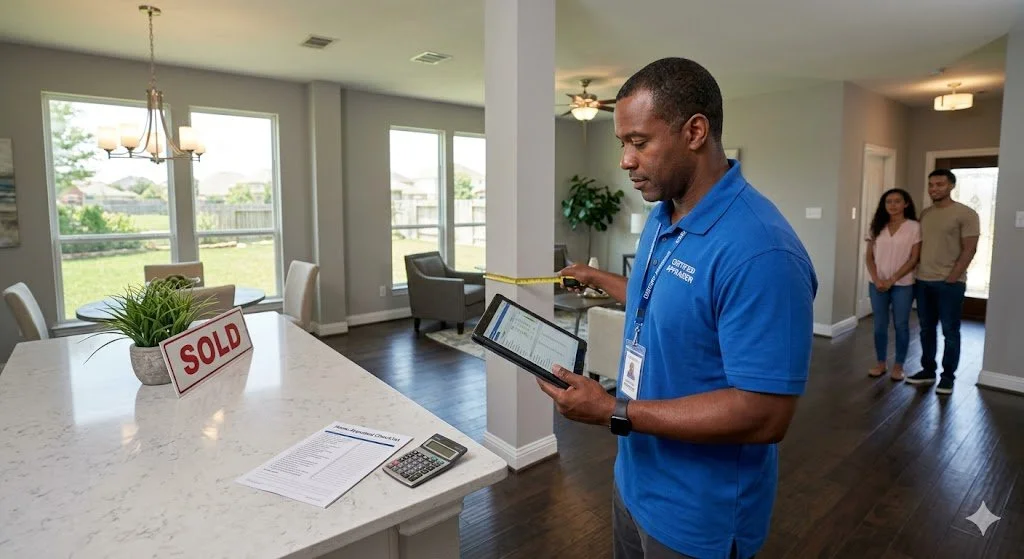
Whether you are purchasing your very first suburban home in Katy, refinancing a mid-century property in The Heights, or trying to navigate a challenging property tax assessment, you will encounter the home appraisal process. A home appraisal is a foundational piece of any Texas real estate puzzle. It serves as an objective evaluation of your property’s fair market value, protecting lenders from overextending capital and helping buyers ensure they are paying a fair price.
However, if you are planning to sell your property quickly without jumping through the traditional financing hoops, you might want to bypass this complex process altogether. Many homeowners who find themselves in tight timelines choose to work with local real estate investors. If you want a straightforward transaction, you can easily work with a reputable team and Sell my house fast Houston to avoid the stress, costs, and delays often associated with formal lender appraisals and repairs.
For those navigating the traditional market, understanding how a home appraisal works in the Lone Star State is absolutely essential. Texas features a highly dynamic and diverse real estate landscape, running the gamut from booming metropolitan hubs to sprawling rural estates. Because Texas is a non-disclosure state—meaning final sales prices are not automatically a matter of public record—the appraisal process here requires a hyper-local approach and a deep reliance on specialized regional data. This comprehensive guide breaks down the actual costs, common uses, and step-by-step realities of the home appraisal process across Houston and the broader Texas market.
Understanding the True Cost of a Texas Home Appraisal
When you plan your real estate budget, you must account for the specific out-of-pocket costs of a professional property valuation. In Texas, a standard single-family home appraisal generally ranges between $450 and $700. However, this figures is not set in stone. A variety of unique regional variables can push your final invoice higher or lower depending on the exact nature of your property.
Property Size, Features, and Architecture
A basic three-bedroom suburban home in a master-planned community like Sugar Land requires significantly less analysis than a custom-built, 5,000-square-foot luxury estate in River Oaks. Appraisers charge for their time, complexity, and liability. If your home includes unique architectural features, detached guest quarters, extensive structural additions, or sprawling acreage, the appraiser must spend extra hours measuring, documenting, and validating those specific elements. This extra labor translates directly into a higher upfront fee.
Geographic Location and Rural Challenges
Location plays a massive role in pricing. If your property sits comfortably inside a dense Houston subdivision, an appraiser can easily find plenty of comparable sales nearby, allowing them to finish their paperwork quickly. On the flip side, if you own a homestead out in rural Liberty County or deep in Waller County, the appraiser will have to drive long distances to inspect the property. Furthermore, finding comparable rural properties that have sold recently can be incredibly difficult, requiring extensive research that increases the overall cost.
FHA, VA, and Specialty Loan Types
The specific type of mortgage loan driving your transaction will also dictate your final appraisal fee. Conventional loans usually carry the standard baseline pricing. Government-backed mortgages, such as Federal Housing Administration (FHA) loans or Department of Veterans Affairs (VA) loans, demand a much more rigorous inspection process. FHA and VA appraisers must check strict safety, security, and structural soundness criteria set by federal guidelines. Because these reports require extra checklists and subject the appraiser to higher regulatory scrutiny, you can expect to pay an extra $50 to $150 for these specialty assignments.
The Primary Reasons Texans Need a Home Appraisal
A home appraisal is not just a tedious hurdle invented by mortgage companies to slow down your closing. It is a highly versatile financial tool utilized across a broad range of real estate, legal, and personal financial scenarios. Understanding why you need an appraisal will help you better leverage the final report to your economic advantage.
Financing and Traditional Home Purchases
The most common trigger for an appraisal is a traditional residential real estate purchase. When a buyer submits an offer on a home and applies for a mortgage, the lender must verify that the property actually serves as sufficient collateral for the loan amount. Lenders will not lend more money than a property is worth. The independent appraisal protects the bank from funding a bad investment, and it simultaneously prevents the buyer from overpaying for an overpriced property in a competitive market.
Mortgage Refinancing and Eliminating PMI
If you already own a home in Texas and want to take advantage of shifting interest rates or tap into your built-in equity, you will likely need a refinance appraisal. Over the last few years, rapid appreciation across major Texas metros has significantly boosted equity for long-term homeowners. A new appraisal can formally document this increased value. If your home has gained enough value to push your loan-to-value ratio below 80%, you can use this fresh appraisal to legally eliminate costly Private Mortgage Insurance (PMI), saving you hundreds of dollars on your monthly mortgage statement.
Property Tax Disputes and Protests
Texas is famous for having no state income tax, but that financial benefit is balanced out by some of the highest property tax rates in the entire nation. Every single year, county appraisal districts—such as the Harris Central Appraisal District (HCAD) or Fort Bend Central Appraisal District (FBCAD)—send out updated notices of assessed value. If you believe your county district has wildly overestimated the market value of your home, you have the legal right to protest. Hiring an independent, licensed appraiser to conduct an unbiased valuation gives you an incredibly powerful, evidence-backed weapon to present during your formal county appraisal review board hearing.
Estate Planning, Divorces, and Legal Settlements
During major life transitions, real estate often represents the largest shared asset that must be accounted for or divided. In probate court or estate planning situations, an accurate appraisal establishes the official date-of-death value for tax and inheritance distribution purposes. Similarly, during divorce proceedings, an independent appraisal provides an objective, emotionally detached valuation that ensures a fair and equitable split of marital assets without causing unnecessary legal gridlock between parties.
Step-by-Step Breakdown of the Texas Appraisal Process
The appraisal process can sometimes feel like a mysterious black box. Homeowners often worry about what the appraiser is looking at and how they arrive at their final conclusion. Breaking the timeline down into clear, sequential steps removes the mystery and helps you prepare effectively.
Step 1: The Initial Request and Engagement
The process officially kicks off when a lender requests an appraisal through an independent Appraisal Management Company (AMC). Federal regulations implemented after the 2008 financial crisis strictly prohibit lenders from choosing specific appraisers directly. This firewall ensures that the appraiser remains completely unbiased, neutral, and free from any external pressure to make a property hit a specific target price just to close a deal.
Step 2: The Physical On-Site Inspection
Next, the appraiser schedules an on-site visit to inspect the physical reality of the property. During this walkthrough, which usually takes anywhere from 30 minutes to two hours depending on the property's size, the appraiser will:
Measure the exterior footprint of the home to calculate the accurate gross living area.
Evaluate the overall structural integrity, foundation condition, and roof quality.
Assess the age and working condition of major systems like the HVAC, plumbing, and electrical panels.
Document the interior layout, number of bedrooms and bathrooms, and overall level of finish (e.g., granite countertops vs. laminate).
Note any obvious safety hazards, structural damage, or necessary deferred maintenance.
Step 3: Comparative Market Analysis and Hyper-Local Research
Once the physical walkthrough wraps up, the real intellectual work begins back at the office. The appraiser logs into regional databases to find comparable properties—known as "comps"—that have sold recently nearby. Ideally, these comps should sit within a one-mile radius of your property and have closed within the past 90 days. Because Texas is a non-disclosure state, appraisers must rely heavily on their local Multiple Listing Service (MLS) access, real estate brokers, and peer networks to uncover the true, accurate transaction details that the public cannot easily find online.
Step 4: Drafting and Finalizing the Report
After gathering all the data, the appraiser carefully adjusts the sales prices of the comparable properties to match the unique features of your specific home. For example, if a comp sold down the street for $400,000 but lacked the swimming pool that your property features, the appraiser will adjust the value upward to account for your pool. All of this math, analysis, and photographic evidence is compiled into a highly detailed standard document, usually the Uniform Residential Appraisal Report, which is then formally delivered to the lender.
Key Factors That Influence Your Property Valuation
An appraiser does not care about your personal interior decorating tastes, your family photographs, or how clean your dishes are. Instead, they focus entirely on permanent, quantifiable, market-driven characteristics that directly impact economic value.
Location, Neighborhood Dynamics, and School Districts
The old real estate cliche remains entirely true: location rules everything. An identical four-bedroom house built by the exact same developer will command completely different prices depending on the neighborhood it occupies. Factors like proximity to major employment hubs (like the Texas Medical Center or the Energy Corridor), crime rates, and neighborhood zoning laws heavily dictate demand. Furthermore, even within the same geographic area, being zoned to a highly rated school district can dramatically elevate a property's final appraised value compared to a home just across the street zoned to a lower-performing district.
Gross Living Area and Overall Functional Utility
Size matters, but so does the functional layout of that space. Appraisers look closely at gross living area, which only includes above-grade, heated, and air-conditioned spaces. If you have an unconditioned garage conversion or a standalone shed, that square footage will not count toward your primary living area. Additionally, the appraiser evaluates functional utility. A 2,000-square-foot home with an open-concept layout and four bedrooms will almost always appraise higher than a quirky, poorly designed 2,000-square-foot home where you have to walk through one bedroom just to access another.
Structural Condition and Capital Upgrades
Deferred maintenance is the fastest way to tank a property appraisal. Things like an aging roof, visible foundation cracks, peeling exterior paint, or ancient, inefficient HVAC units will cause an appraiser to deduct significant value from your report. Conversely, high-impact capital upgrades can give your value a substantial boost. Focus your investment energy on major mechanical infrastructure, energy-efficient window upgrades, and complete kitchen or bathroom modernizations, as these areas consistently deliver the highest return on investment during an appraisal.
Practical Checklist: Preparing Your Home for an Appraiser
You should never sit back and just hope for the best when an appraiser visits your home. While you cannot change your property's location or physical size, you can take proactive steps to ensure your home presents itself in the absolute best possible light, ensuring no value is left on the table.
Boost Your Curb Appeal and Interior Presentation
First impressions matter immensely, even for data-driven professionals. Take a weekend to mow the lawn, trim overgrown bushes, clear out dead landscaping, and power-wash your driveway. On the inside, clear out heavy clutter so the appraiser can easily access walls, windows, and mechanical closets. Clear spaces make rooms feel substantially larger and more open. Clean up any minor cosmetic blemishes, like drywall scuffs or leaky faucets, which might otherwise signal to an appraiser that you neglect regular home maintenance.
Compile a Comprehensive List of Upgrades and Dates
Do not force the appraiser to play detective. Prepare a detailed, neatly typed document listing every single upgrade, renovation, and major repair you have completed since owning the property. Include the rough date of completion and the approximate cost of the project. If you replaced the roof in 2022, installed a high-efficiency HVAC unit in 2024, or fully remodeled the primary bathroom last year, put it on paper. Providing this list ensures the appraiser notes every single hidden upgrade when calculating their final market adjustments.
Verify Safety Systems and Provide Easy Access
Ensure all basic home safety systems are fully operational before the appraiser knocks on your door. Test every smoke detector and carbon monoxide alarm to ensure they have fresh batteries. If your home uses natural gas, ensure your water heater meets local Texas building codes, which often require it to be elevated if located in a garage. Finally, make sure the appraiser has completely unobstructed access to your electrical panel, attic pull-down stairs, crawl spaces, and HVAC closets. If they cannot safely access an area, it can delay your report or trigger a costly re-inspection fee.
Frequently Asked Questions About Home Appraisals
What is the core difference between a home inspection and a home appraisal?
While home inspections and home appraisals sound similar, they serve completely different purposes. A home inspector works directly for the buyer to uncover hidden structural, mechanical, and safety defects throughout the home; they look "behind the walls" to tell you if the property functions properly. An appraiser works primarily for the lender to determine the overall financial value of the property based on its size, location, condition, and recent market sales data.
Can a homeowner challenge a low appraisal report?
Yes, you can formally challenge a low valuation through a process known as a Reconsideration of Value (ROV). To successfully dispute a report, you or your real estate agent must provide concrete, data-backed evidence showing that the appraiser made a factual error. This includes pointing out incorrect square footage calculations, identifying unnoted premium upgrades, or submitting highly relevant comparable sales that the appraiser completely overlooked during their initial research. For more context on managing property data and fair valuations, you can review the official standards established by the Appraisal Foundation.
How long does a standard residential appraisal report remain valid?
In the traditional real estate market, a standard residential appraisal report is typically considered valid for 90 to 120 days. Because market conditions can shift rapidly due to fluctuating interest rates, local economic developments, and seasonal buyer demand, lenders rarely trust a valuation that is more than four months old. If your closing process gets delayed significantly, your lender will likely require a brand-new appraisal update to confirm the property's value has not dropped.
Who is legally responsible for paying the appraisal fee?
In a traditional home purchase transaction, the homebuyer is almost always responsible for paying the appraisal fee. Even though the appraiser is selected by the lender to protect the bank's financial interests, the fee is bundled directly into the buyer's upfront closing costs. In a refinancing scenario, the homeowner pays the fee. The only common exception is if a seller explicitly agrees to cover the buyer's closing costs as part of negotiated contract concessions.

How Absolute Properties Helps Houston Sellers
Absolute Properties makes it easy for Houston homeowners to sell fast - even when facing challenges like financial difficulties, inherited properties, troublesome tenants, or repairs.
If you’re thinking, “I need to sell my house fast in Houston…” We buy houses in Houston in any situation or condition!
As-is, fast cash offers with clear terms
Many closing costs covered; no realtor commissions in most cases
You choose the closing date (as little as 7 days, case-dependent)
Coordination with experienced title company for a compliant sale process
Call or text: (713) 230-8059
Email address: info@absolutepropertieshtx.com
Share your street address and timeline for a free consultation and a straightforward number no pressure.
Know someone else who needs to sell? We Also Pay a $1000 Referral Fee!
Helpful Houston Blog Articles
How To Sell Your House in Houston Without Sinking Any More Money Into It
6 Tips For First Time Home Sellers in Houston
Hiring an Agent Vs. A Direct Sale to Absolute Properties When Selling Your House in Houston
Who Pays Closing Costs in Texas
The True Costs of An FSBO Listing for Houston Investors
What To Do With Your Expired Listing in Houston
Also check out our Free Guides & Education & FAQ for more education on how to sell your house for cash quickly to a local home buyer.