Selling a House with Asbestos in Houston | Texas Disclosure Guide
Reviewed by Mark Lee
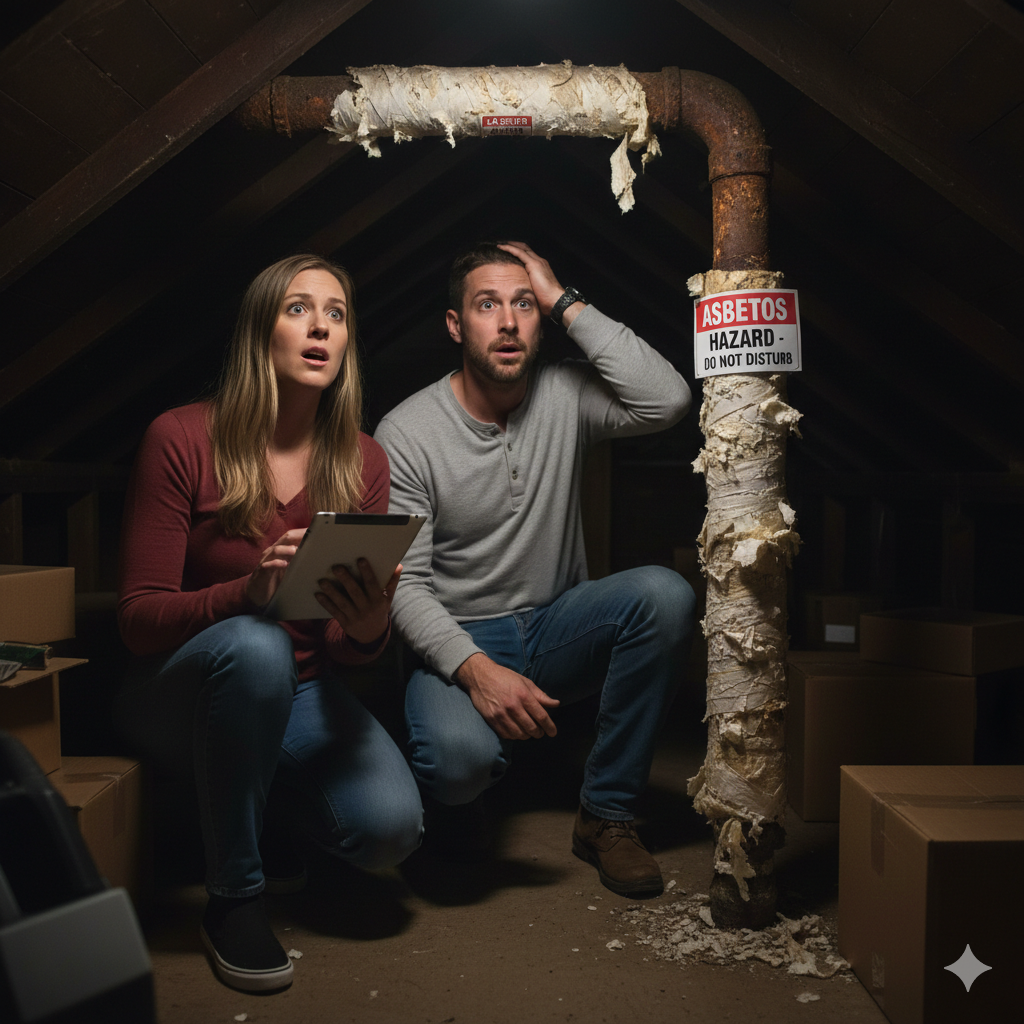
Selling a House with Asbestos in Houston | The Ultimate Texas Disclosure Guide
Selling a home is already a high-stakes endeavor, but when you factor in environmental hazards like asbestos, the complexity can feel overwhelming. If you own an older home in neighborhoods like Riverside Terrace, Garden Oaks, or the Heights, there is a statistically high chance that asbestos-containing materials (ACMs) are present.
The most common question homeowners ask is: Is it even legal to sell a house with asbestos in Texas? The short answer is yes. However, the path to a successful closing requires a deep understanding of state-of-the-art disclosure laws, buyer psychology, and local remediation standards. If you are feeling overwhelmed by the repairs needed to make your property market-ready, you can always work with Cash Home Buyers to bypass the traditional listing headache entirely.
In this comprehensive guide, we will break down everything a Houston seller needs to know about navigating the "asbestos talk" without losing a sale or falling into legal jeopardy.
The Reality of Asbestos in Houston’s Real Estate Market
Asbestos was the "miracle mineral" of the mid-20th century. It was prized for its heat resistance, durability, and insulating properties. Consequently, it found its way into thousands of building products used across Texas. From the spray-on "popcorn" ceilings popular in the 1970s to the floor tiles in mid-century ranch homes, asbestos is a common legacy of Houston’s suburban boom.
Why Asbestos is a Concern Today
The danger of asbestos lies in its "friability." When ACMs are disturbed—through sanding, drilling, or general decay—they release microscopic fibers into the air. If inhaled, these fibers can lead to severe long-term health issues, including mesothelioma and asbestosis. In the context of a real estate transaction, asbestos is treated as a latent defect. While it doesn't necessarily make a home "unsellable," it does change the risk profile for the buyer and the liability profile for the seller.
Common Locations for Asbestos in Texas Homes
Transite Siding: Often found on older homes in the East End or Pasadena.
Popcorn Ceilings: The staple of 1960s–1980s interior design.
Vinyl Floor Tiles: Specifically the 9x9 inch tiles often found in basements or laundry rooms.
Pipe Insulation: Found around older boilers and water heaters.
Attic Insulation: Specifically vermiculite insulation, which may contain traces of tremolite asbestos.
Texas Disclosure Laws: What You Must Reveal
Texas is a "full disclosure" state when it comes to material facts that could affect the value or desirability of a property. The Texas Property Code § 5.008 outlines the requirements for the Seller’s Disclosure Notice. This is the document where you must be brutally honest about the condition of your home.
The Seller’s Disclosure Notice (SDN)
In Houston, most residential sales utilize the Texas Association of Realtors (TAR) or the Texas Real Estate Commission (TREC) disclosure forms. There is a specific section dedicated to environmental hazards. If you have knowledge of asbestos on the property—even if it has been encapsulated—you are legally obligated to check "Yes" and provide an explanation.
"Actual Knowledge" vs. Speculation
Under Texas law, you are required to disclose what you know. If your home was built in 1955, you might suspect it has asbestos, but if you have never had it tested, you aren't necessarily lying by saying you don't know for sure. However, if a previous inspection report or a contractor told you asbestos was present, you now have "actual knowledge." Attempting to hide this can lead to lawsuits for DTPA (Deceptive Trade Practices Act) violations long after the keys have changed hands.
The Consequences of Non-Disclosure
If a buyer discovers asbestos post-closing and can prove you knew about it but failed to disclose it, you could be liable for:
Rescission of the Sale: The buyer could potentially undo the entire deal.
Damages: You could be forced to pay for the full cost of professional abatement.
Legal Fees: Texas courts often award attorney fees to the prevailing party in disclosure disputes.
Testing and Inspection: Should You Test Before Listing?
One of the biggest dilemmas for Houston sellers is whether to proactively test for asbestos before putting the house on the market. There are pros and cons to both approaches.
The Case for Proactive Testing
If you test early, you remove the element of surprise. You can get quotes for removal and either fix the issue or price the home accordingly. This builds trust with potential buyers. You can provide a "Clean Bill of Health" if the tests come back negative, which is a massive selling point for older homes.
The Case Against Testing
The moment you test and get a positive result, you have "actual knowledge" that must be disclosed. Some sellers prefer to let the buyer's inspector find it (or not) during the option period. In Houston’s competitive market, some buyers may even waive the right to certain inspections, though this is becoming rarer as interest rates rise and buyers become more discerning.
How Testing Works in Houston
Professional asbestos testing involves taking small "bulk samples" of suspected materials and sending them to a certified lab. According to the Texas Department of State Health Services (DSHS), residential property owners are generally allowed to take their own samples, but hiring a licensed Asbestos Consultant is highly recommended to ensure the samples are handled safely and the results are legally defensible.
Remediation vs. Encapsulation: Managing the Risk
If asbestos is found, you have two primary ways to handle it: Abatement (Removal) or Encapsulation (Covering up).
Professional Abatement
This involves hiring a licensed asbestos removal company to strip the materials from the home. In Houston, this process requires sealing off the area with plastic sheeting, using HEPA-filtered air scrubbers, and disposing of the waste at specialized landfills.
Cost: Abatement can range from $2,000 to $15,000+ depending on the square footage.
Benefit: The asbestos is gone forever. This is the most attractive option for buyers.
Encapsulation
Encapsulation is the process of sealing the asbestos so that fibers cannot become airborne. For example, you might paint over popcorn ceilings with a specialized sealant or lay new laminate flooring over old asbestos tiles.
Cost: Significantly cheaper than removal.
Constraint: You still have to disclose that asbestos is present but encapsulated. Some buyers may still be wary, fearing that future renovations will trigger a need for expensive removal.
DIY Removal: A Word of Caution
While Texas law is more lenient regarding homeowners performing their own work on their primary residence compared to commercial buildings, DIY asbestos removal is extremely dangerous. Without the proper respirators and containment, you risk contaminating your entire HVAC system, creating a long-term health hazard for your family and any future occupants.
Marketing Your Asbestos-Affected Home in Houston
How you frame the asbestos issue in your marketing materials can make or break your sale. Honesty paired with a solution is the best strategy.
Transparency Wins
Don't wait for the buyer to find the asbestos in the middle of their 10-day option period. If you know it's there, mention it upfront. You might include a note in the "Agent Remarks" section of the MLS: "Home features original mid-century charm; Seller’s Disclosure includes information on encapsulated floor tiles. Professional mitigation quotes available."
Pricing Strategy
You must account for the "Asbestos Discount." Generally, buyers will expect a price reduction that covers the cost of abatement plus a "hassle premium." If a professional quote for removal is $5,000, expect buyers to ask for a $7,500 to $10,000 credit or price drop.
Targeting the Right Buyer
Not every buyer is scared of asbestos.
Investors: Often have their own crews and can handle abatement at a lower cost.
Flippers: Experienced with older homes and see asbestos as just another line item in their budget.
Contract Buyers: Some companies specialize in buying "as-is" properties, taking the liability off your hands entirely.
Frequently Asked Questions (FAQ)
Can I get a mortgage on a house with asbestos?
Yes. Most conventional, FHA, and VA lenders will approve a loan on a house with asbestos as long as the material is in good condition (not crumbling or friable). However, if an appraiser notes that there is peeling asbestos insulation or damaged ceilings, the lender may require remediation before they will fund the loan.
Is it illegal to leave asbestos in a home I’m selling?
No. There is no federal or Texas state law that requires a homeowner to remove asbestos before selling. The only legal requirement is disclosure. As long as the buyer is informed and agrees to the purchase, the transaction is perfectly legal.
How much does asbestos removal cost in Houston?
Prices vary based on the type of material. Removing popcorn ceilings in a 2,000-square-foot home typically costs between $3,000 and $7,000. Removing floor tiles is generally cheaper, while pipe insulation or attic vermiculite can be significantly more expensive due to the difficulty of access.
Does homeowners insurance cover asbestos removal?
Generally, no. Standard homeowners insurance policies in Texas cover "sudden and accidental" damage. Because asbestos is a naturally occurring mineral used in construction, its presence or gradual deterioration is considered a maintenance issue, not an insurable event.
Can I sell my house "As-Is" to avoid disclosing asbestos?
No. In Texas, selling "As-Is" protects you from having to make repairs, but it does not exempt you from the duty to disclose known defects. You must still fill out the Seller’s Disclosure Notice honestly. For more information on federal regulations regarding hazardous materials in residential structures, visit the Environmental Protection Agency (EPA).
What if I don't know if my house has asbestos?
If you truly don't know, you mark "Unknown" on the disclosure form. However, if your home was built before 1980, a savvy buyer’s inspector will almost certainly flag potential ACMs. At that point, the buyer may ask you to pay for testing.
The Fastest Way to Sell a Houston Home with Asbestos
If the thought of testing, disclosing, and negotiating over asbestos feels like too much to handle, there is an alternative. Many Houston homeowners choose to sell directly to professional buyers who specialize in "as-is" transactions.
By selling to a local investment company, you skip the inspections, the appraisals, and the long list of repairs. You don't have to worry about the buyer backing out because they got "cold feet" over a popcorn ceiling. You get a fair cash offer, choose your closing date, and walk away with your equity—leaving the asbestos problems for the new owner to manage.

How Absolute Properties Helps Houston Sellers
Absolute Properties makes it easy for Houston homeowners to sell fast - even when facing challenges like financial difficulties, inherited properties, troublesome tenants, or repairs.
If you’re thinking, “I need to sell my house fast in Houston…” We buy houses in Houston in any situation or condition!
As-is, fast cash offers with clear terms
Many closing costs covered; no realtor commissions in most cases
You choose the closing date (as little as 7 days, case-dependent)
Coordination with experienced title company for a compliant sale process
Call or text: (713) 230-8059
Email address: info@absolutepropertieshtx.com
Share your street address and timeline for a free consultation and a straightforward number no pressure.
Helpful Houston Blog Articles
How To Sell Your House in Houston Without Sinking Any More Money Into It
6 Tips For First Time Home Sellers in Houston
Hiring an Agent Vs. A Direct Sale to Absolute Properties When Selling Your House in Houston
Who Pays Closing Costs in Texas
The True Costs of An FSBO Listing for Houston Investors
What To Do With Your Expired Listing in Houston
Also check out our Free Guides & Education & FAQ for more education on how to sell your house for cash quickly to a local home buyer.