Sunroom Costs in Houston: Guide to Home Addition Prices
Reviewed by Mark Lee
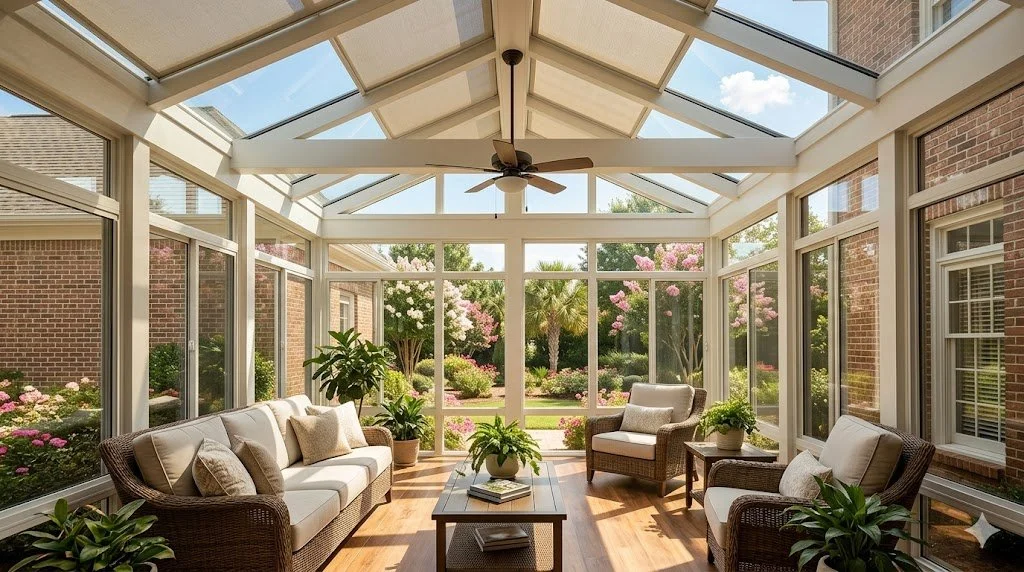
Whether you want a cozy spot to sip your morning coffee or you just want to soak in the Texas views without battling the legendary local humidity, adding a sunroom is a fantastic way to upgrade your home. Houstonians love the outdoors, but let’s be honest—between the blistering July heat waves and the sudden coastal downpours, our backyards aren't always comfortable. A well-designed sunroom bridges that gap perfectly, letting you enjoy natural light all year long.
Of course, before you hire a contractor and start knocking down exterior walls, you need to know what this project will do to your bank account. If you ultimately decide that remodeling is too much of a headache and prefer to move to a home that already has your dream layout, you can always reach out to a team like ours that says we buy houses Houston to explore your options. But if you are ready to build, understanding the breakdown of expenses will save you from major financial surprises.
The financial investment for a sunroom varies wildly depending on materials, size, and whether you want a seasonal space or a fully integrated home extension. Let's dive deep into the real costs of building a sunroom in the Greater Houston area, what drives those prices up, and how it impacts your property value.
The Average Cost of Building a Houston Sunroom
When budgeting for a sunroom in southeast Texas, you will quickly find that prices cover a broad spectrum. On a national level, homeowners pay anywhere from $20,000 to over $80,000. Locally, because of specific regional building codes, windstorm requirements near the Gulf, and concrete foundation needs, your final invoice will depend heavily on the specific construction type you choose.
Prefabricated Sunroom Kits
If you are looking for a budget-friendly option, prefabricated kits are the way to go. These structures are manufactured off-site and assembled on your property. For a standard prefab setup, expect to pay between $15,000 and $35,000. While they save you cash upfront, they offer very limited customization and may not match your home’s existing architecture perfectly.
Custom-Built Sunrooms
For a seamless look that matches your home’s current brick, siding, and roofline, a custom-built sunroom is the premier choice. These are designed from scratch by an architect or specialized contractor. Prices for custom builds typically start around $40,000 and can easily climb past $100,000 for large, high-end spaces. The benefit here is complete creative control and a much higher return on investment when you sell.
Two-Season vs. Four-Season Sunrooms: Major Cost Factors
The single biggest decision affecting your wallet is how often you plan to use the space. Sunrooms are generally categorized by the number of seasons they can comfortably accommodate. In Houston, where "winter" is mild but summer is brutal, this distinction completely changes how the room must be engineered.
Three-Season Sunrooms
A three-season sunroom is built to be used in the spring, summer, and fall. It is usually constructed with single-pane glass and lacks dedicated heating or cooling. In our climate, a three-season room acts more like an enclosed porch. It protects you from mosquitoes and rain, but it will get incredibly hot in August. These typically cost between $25,000 and $45,000.
Four-Season Sunrooms
A true four-season sunroom is a full extension of your living space. It features heavily insulated walls, floors, and roofs, alongside double- or triple-pane thermal glass. Most importantly, it is tied directly into your home’s HVAC system or utilizes a dedicated ductless mini-split AC. Because of the heavy structural and mechanical work involved, a four-season sunroom generally runs between $50,000 and $90,000+. Given our intense local heat, investing in proper insulation and climate control is often worth every penny.
Solariums and Atriums
If you want an all-glass structure—including an entirely glass roof—you are looking at a solarium. These spaces offer unparalleled views of the night sky and maximum daytime sunlight. However, they are expensive to build and even more expensive to cool in Texas. Expect to pay anywhere from $60,000 to $120,000 for a professionally engineered solarium that can withstand coastal wind loads.
Line-Item Cost Breakdown: Where the Money Goes
To truly manage your budget, you have to look past the macro estimates and analyze the individual components of the construction process. Building a sunroom requires a permit, site prep, structural framing, specialized glass, and interior finishes.
Foundation and Site Preparation
You cannot build a sturdy structure on uneven soil. If you already have an existing concrete patio that is rated to handle the weight of a room addition, you might save thousands. However, if a new foundation must be poured, expect to spend $3,000 to $8,000 on excavation, leveling, and concrete pouring. Given Houston’s expansive clay soils, ensuring a properly engineered foundation is critical to prevent future structural shifting.
Framing and Wall Materials
The bones of your sunroom will typically be made from aluminum, vinyl, or traditional wood framing.
Aluminum: Lightweight, affordable, and incredibly low-maintenance. It is highly resistant to rot, making it a popular choice for local humidity.
Vinyl: Offers great insulation properties and is easy to clean, sitting in the mid-range for cost.
Wood: The most expensive framing material, but it gives you a premium, traditional look that can be painted or stained to match your home’s interior perfectly.
Glass and Insulation
Since a sunroom is mostly windows, the quality of glass you choose dictates both construction costs and your monthly utility bills. Standard glass is cheaper but turns your room into an oven. Smart homeowners opt for Low-E (low-emissivity) glass, which reflects heat while letting light through. Argon gas-filled double-pane windows are also excellent for keeping the Texas heat outside where it belongs. Expect glass and window framing to consume 30% to 40% of your total project budget.
HVAC and Electrical Layout
A sunroom needs power for ceiling fans, lamps, electronics, and charging stations. Hiring a licensed electrician to run wiring from your main electrical panel will usually cost between $1,500 and $4,000. For climate control, adding a ductless mini-split AC unit is highly efficient for sunrooms, costing an additional $2,000 to $5,000 depending on the size of the room.
Local Factors Influencing Houston Sunroom Expenses
Building a home addition in Houston comes with unique regional requirements that you won't necessarily find in national home improvement guides. From local geography to neighborhood rules, these variables can sway your final price tag by thousands of dollars.
Windstorm Compliance and Coastal Codes
Because our region is susceptible to hurricanes and severe tropical storms, structural engineering requirements are incredibly strict. If you live closer to the coast or within certain jurisdictions, your sunroom must meet specific windstorm compliance standards set by the Texas Department of Insurance (TDI). This means upgrading to impact-resistant safety glass, heavy-duty anchors, and reinforced framing, which can add 15% to 20% to your material costs.
Permitting and Homeowners Associations (HOAs)
You cannot simply build a sunroom over a weekend without permission. City permits or county building inspections are mandatory for structural additions and ensure your space is safe. Permit fees generally cost a few hundred dollars, but the architectural drawings required to secure them can cost more. Additionally, if you live in a deed-restricted community governed by an HOA, you must submit your design plans for approval. Failing to do so can result in hefty fines or a legal order to tear down the unapproved construction.
Labor Rates and Contractor Selection
Labor dynamics in the Houston metroplex vary significantly. While general labor costs may be highly competitive compared to the East or West coasts, specialized contractors who understand wind-load engineering and high-efficiency thermal glass command a premium. Always get at least three written bids from fully insured, licensed local contractors, and check their references to ensure they have experience with glass room additions specifically.
ROI and Value: Is a Sunroom Worth the Investment?
Whenever you put tens of thousands of dollars into structural home renovations, you want to know if you will ever see that money again. A sunroom adds functional square footage, aesthetic appeal, and competitive market value to your property, but it is important to have realistic financial expectations.
Average Return on Investment (ROI)
Historically, a sunroom return on investment hovers around 50% to 70%. This means if you spend $50,000 on a gorgeous, custom four-season sunroom, you can reasonably expect it to add roughly $25,000 to $35,000 to your home's total equity or eventual resale value. While you may not recoup 100% of your cash instantly upon sale, the daily enjoyment and lifestyle enhancement during your time in the home often make up the difference.
Boosting Curb Appeal and Buyer Demand
In a crowded real estate market, homes with unique, premium features stand out. A beautiful sunroom creates a striking visual impression in listing photos and during open houses. Buyers view a sunroom as a luxury bonus space—perfect for a home office, a kids' playroom, or a bright indoor garden. If your neighborhood consists of cookie-cutter floor plans, having a custom glass addition can make your home sell significantly faster than the competition.
FAQ
How much does a basic 12x12 sunroom cost in Houston?
A standard 12x12 prefabricated sunroom kit typically costs between $18,000 and $30,000 including basic installation. If you choose a completely custom-built, four-season 12x12 room tied into your central heating and air conditioning, the price will generally range from $45,000 to $65,000 depending on the complexity of the finishes.
Does a sunroom count toward my home’s official square footage?
It depends entirely on how the room is built. To be included in your home’s official heated and cooled square footage during a real estate appraisal, the sunroom must be a permanent, finished structure that is fully integrated into the home's primary heating and cooling system. Uninsulated three-season rooms or porch enclosures generally do not count toward official square footage, though they still add overall market value.
How do I prevent my sunroom from getting too hot in the summer?
To keep your sunroom comfortable during intense Texas summers, invest in high-quality Low-E glass coatings, double-pane windows filled with argon gas, and proper wall and ceiling insulation. Installing a dedicated ductless mini-split air conditioner, putting up thermal blinds or shades, and adding a large, high-velocity ceiling fan will also drastically improve air circulation and keep temperatures down.
Is it cheaper to build a sunroom or a traditional room addition?
Generally, a sunroom is more affordable per square foot than a traditional stick-built room addition. Traditional additions require extensive drywall, complex roofing tie-ins, matching exterior siding or brickwork, and deep foundation engineering. Sunrooms utilize lightweight aluminum or vinyl framing systems and pre-engineered glass panels, which reduces the total hours of manual on-site labor required to complete the project.
Can I build a sunroom myself to save money?
While you can purchase DIY prefabricated sunroom kits, tackling this project completely on your own is risky unless you have advanced construction experience. Poorly installed sunrooms are highly prone to roof leaks, structural sagging, and window seal failures. Furthermore, handling electrical wiring, pouring concrete foundations, and navigating local windstorm building codes usually require specialized professional expertise and licensed oversight.
How long does it typically take to install a sunroom?
The timeline varies based on construction style. A prefabricated sunroom kit can often be completely assembled on an existing concrete pad in 2 to 5 days once materials arrive. A completely custom-built, four-season architectural addition takes much longer—often requiring 4 to 8 weeks for site preparation, foundation pouring, framing, glass installation, electrical rough-ins, and final interior cosmetic detailing.

How Absolute Properties Helps Houston Sellers
Absolute Properties makes it easy for Houston homeowners to sell fast - even when facing challenges like financial difficulties, inherited properties, troublesome tenants, or repairs.
If you’re thinking, “I need to sell my house fast in Houston…” We buy houses in Houston in any situation or condition!
As-is, fast cash offers with clear terms
Many closing costs covered; no realtor commissions in most cases
You choose the closing date (as little as 7 days, case-dependent)
Coordination with experienced title company for a compliant sale process
Call or text: (713) 230-8059
Email address: info@absolutepropertieshtx.com
Share your street address and timeline for a free consultation and a straightforward number no pressure.
Know someone else who needs to sell? We Also Pay a $1000 Referral Fee!
Helpful Houston Blog Articles
How To Sell Your House in Houston Without Sinking Any More Money Into It
6 Tips For First Time Home Sellers in Houston
Hiring an Agent Vs. A Direct Sale to Absolute Properties When Selling Your House in Houston
Who Pays Closing Costs in Texas
The True Costs of An FSBO Listing for Houston Investors
What To Do With Your Expired Listing in Houston
Also check out our Free Guides & Education & FAQ for more education on how to sell your house for cash quickly to a local home buyer.