Selling a House with Unpermitted Additions in Houston (2026)
Reviewed by Mark Lee
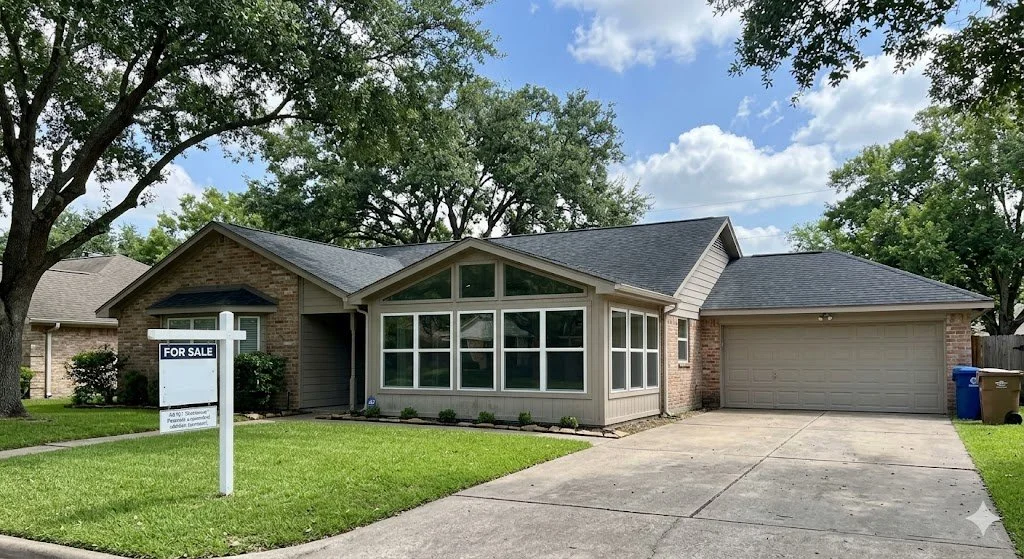
You are standing in your Houston home, looking at that enclosed patio or the extra bedroom above the garage. It looks great, and it certainly adds value to your daily life. But as you prepare to put your property on the market, a nagging realization sets in: those improvements were done without a permit. Whether you bought the house that way or did the work yourself years ago, you are now facing the reality of trying to sell a house with unpermitted additions in the Texas market.
Navigating this situation requires a mix of transparency and strategy. In a city like Houston, where deed restrictions can be just as tough as city codes, an unpermitted structure can feel like a deal-breaker. However, it doesn’t have to be. Many homeowners successfully navigate these waters every day. If the stress of rectifying old permits feels overwhelming and you just want a clean break, you can always choose to Sell my house fast Houston to a buyer who takes properties exactly as they are. Otherwise, it is time to roll up your sleeves and understand exactly how these "off-the-books" upgrades impact your sale.
Understanding the Legal Landscape of Unpermitted Work in Houston
In the world of real estate, unpermitted work refers to any construction or significant renovation performed without the required approvals from the local building department. In our neck of the woods, the Houston Permitting Center handles these records. If you added a structural wall, ran new plumbing for a mother-in-law suite, or extended your roofline without their stamp of approval, you technically have an illegal structure.
The Liability Factor
When you sell a home in Texas, you are legally obligated to fill out a Seller’s Disclosure Notice. This document asks specifically about any structural additions or alterations made without the necessary permits. If you check "No" while knowing the back bedroom was a DIY weekend project without a permit, you open yourself up to massive legal liability after the closing. Houston buyers are increasingly savvy, and their inspectors are trained to spot work that doesn't match the original city footprints.
City Code Enforcement
Houston is famous for its lack of traditional zoning, but don't let that fool you into thinking building codes don't matter. If the city discovers unpermitted work—often through a neighbor's complaint or a routine inspection during a different project—they can issue citations. In extreme cases, they can even force a homeowner to tear down the addition or "open up the walls" so an inspector can verify the electrical and plumbing work. This is the last thing you want happening while your house is under contract.
Insurance Complications
Insurance companies are in the business of risk management. If a fire starts in an unpermitted electrical panel or a flood occurs due to unpermitted plumbing, the insurance provider may deny the claim. During the sale process, the buyer's insurance company may pull the city’s permit history. If the square footage on the listing doesn't match the tax records or the permit history, they may refuse to issue a policy, which effectively kills the buyer's ability to get a mortgage.
How Unpermitted Additions Affect Your Home’s Value and Appraisal
One of the biggest shocks for Houston sellers is discovering that their "extra 500 square feet" might be worth exactly zero dollars in the eyes of a bank. Even if the work is beautiful and functional, an appraiser has strict guidelines they must follow when valuing a property for a mortgage lender.
The "Livable Space" Dilemma
Appraisers typically only include permitted, heated, and cooled square footage in the official valuation of a home. If your unpermitted addition isn't on the city's books, the appraiser may exclude that entire room from the total square footage calculation. This can lead to a massive "appraisal gap" where your asking price is $350,000, but the bank says the house is only worth $300,000 because they won't count the unpermitted sunroom.
Comparables and Marketability
When an agent runs "comps" for your neighborhood, they look at similar homes. If every other home in your area has a 3-bedroom layout and you are trying to sell a "4-bedroom" (where the 4th is unpermitted), you are essentially competing against higher-value homes with a lower-value asset. Savvy buyers will use the lack of permits as a major leverage point to negotiate a lower price, citing the "risk" they are taking on by inheriting the legal mess.
Retroactive Permitting Costs
If you decide to fix the issue before selling, you have to account for the "cost to cure." This isn't just the price of the permit. You might have to pay an architect to draw "as-built" plans, hire a licensed contractor to inspect the work, and potentially pay double or triple in "investigative fees" to the city for doing work without a permit initially. These costs must be subtracted from your expected net proceeds.
The Three Main Paths for Selling with Unpermitted Work
You generally have three options when you realize your Houston home has unpermitted additions. Each path has its own pros and cons depending on your timeline and your financial goals.
Option 1: The "As-Is" Sale to a Cash Buyer
This is often the fastest and least stressful route. Professional home buyers and investors in Houston are accustomed to dealing with unpermitted work. They won't ask you to fix the permits or tear down the walls. Instead, they calculate the risk into their offer and take the property off your hands in days. This eliminates the need for appraisals, city inspectors, or long lender-driven wait times.
Option 2: Obtaining a Retroactive Permit
If you have the time (usually 3 to 6 months) and the budget, you can attempt to legalize the addition. This involves hiring a professional to assess if the work meets current International Residential Code (IRC) standards. You will then submit plans to the city, pay the fines, and have the work inspected. Once the city issues a "Certificate of Occupancy" or a final sign-off, the addition becomes legal, and you can sell it at full market value.
Option 3: Full Disclosure to a Traditional Buyer
You can list the home on the MLS and be 100% transparent. You state in the listing and the disclosure that the addition is unpermitted. This limits your pool of buyers primarily to those with large down payments or those using specific loan types that are more lenient. You will likely have to price the home lower than your permitted neighbors, and you should expect the buyer to ask for a "repair credit" to cover the future cost of permits.
Navigating the Inspection and Disclosure Process
In Texas, the "Seller's Disclosure" is your shield. Being honest about unpermitted work doesn't just help the buyer; it protects you from being sued three years from now when the buyer decides to remodel and finds out the electrical isn't up to code.
Writing a Detailed Disclosure
Don't just check a box. Write a brief explanation. For example: "The garage was converted into a guest suite by a previous owner in 2015. We have no records of permits for this work. The space has been used continuously without issue." This sets a clear expectation. It tells the buyer, "I'm telling you this is here, it works, but I'm not guaranteeing it's permitted."
Preparing for the Buyer’s Inspection
A standard home inspector will likely notice the unpermitted work. They might see "handyman-grade" plumbing or electrical work that doesn't look like the rest of the house. By disclosing it upfront, you prevent the inspector's report from looking like a "gotcha" moment that scares the buyer away. You can even choose to have your own "pre-listing inspection" so you know exactly what a buyer’s inspector will find before you ever go on the market.
Handling Appraisal Challenges
If you are going the traditional route, talk to your Realtor about how to handle the appraiser. Sometimes, providing receipts for the work done—even if unpermitted—can show the appraiser that the "quality of construction" is high. While they still might not count the square footage, they might give the home a "higher condition rating," which can slightly boost the value in other ways.
Common Types of Unpermitted Work in the Houston Area
Not all unpermitted projects are created equal. Some are minor nuisances, while others are major red flags for lenders and city officials.
Garage Conversions
This is perhaps the most common unpermitted addition in Houston. Converting a garage into a living space is tempting, but it often violates city codes regarding "minimum parking requirements" or "setback lines." If your garage is too close to the property line, the city might never grant a permit for it to be a living space, meaning it can never be legally counted as square footage.
Enclosed Patios and Sunrooms
Many Houstonians enclose their back porches to escape the mosquitoes and heat. If this enclosure includes electrical or HVAC, it requires a permit. Often, these are built on "patio grade" slabs that aren't thick enough to support the weight of a traditional room addition, making them a structural liability in the eyes of a professional engineer.
Accessory Dwelling Units (ADUs)
With the rise of short-term rentals, many homeowners have built "tiny homes" or apartments in their backyards. These require complex permits for sewer taps and electrical meters. If these are done "off-grid" or tied into the main house’s lines without approval, they are high-risk unpermitted additions that can lead to significant fines from the city.
FAQ: Selling Houses with Unpermitted Additions in Houston
Can a buyer get a mortgage on a house with unpermitted work?
Yes, but it depends on the extent of the work. If the unpermitted area is a small portion of the home, most conventional lenders will still fund the loan, but they won't include the unpermitted area's value in the appraisal. However, if the unpermitted work is "safety-related" (like dangerous wiring), the lender may require it to be fixed before they will close on the loan.
Do I have to tear down my unpermitted addition to sell?
Usually, no. You only have to tear it down if the city has already issued a demolition order or if it is so structurally unsound that it poses an immediate danger. Most of the time, you can sell the house "as-is" to a cash buyer or at a discount to a traditional buyer who is willing to take on the risk.
Will the City of Houston find out if I list my unpermitted work?
While city inspectors don't spend all day browsing the MLS, it is a public record. Some municipalities have "compliance officers" who look for discrepancies between listings and tax records. However, the bigger risk is usually a buyer's agent or an inspector reporting the work during the due diligence phase.
Is unpermitted work considered a "material defect"?
In the state of Texas, any condition that would influence a reasonable buyer's decision to buy the property or the price they would pay is considered a material fact. Because unpermitted work affects the legal status and value of the home, it is absolutely a material fact that must be disclosed.
What if I didn't know the work was unpermitted?
If you truly didn't know (for instance, the previous owner did it and you never checked), you aren't liable for "fraud." However, once you become aware of it—perhaps through a conversation with your Realtor or looking at old records—you are then required to disclose it to your future buyer.
How much does a retroactive permit cost in Houston?
The permit itself might only be a few hundred dollars, but the "investigative fees" and "double permit fees" for unrecorded work can push that into the thousands. You also have to factor in the cost of hiring a licensed master plumber or electrician to sign off on the work, which can add $2,000 to $5,000 depending on the size of the project.
Final Steps: Preparing Your Property for the Market
Dealing with unpermitted additions feels like a dark cloud hanging over your sale, but it is a manageable problem. The Houston real estate market is resilient, and there is a buyer for every property—permitted or not.
The key is to take the emotion out of the process. Evaluate the work honestly: Is it safe? Is it functional? Does it add value to a person’s life, even if not to the bank's spreadsheet? Once you have those answers, choose the path that fits your needs. If you need top dollar, start the permitting process now. If you need a quick, certain exit, look toward the cash-buying community. By being proactive and transparent, you can turn a potential legal nightmare into a successful closing.

How Absolute Properties Helps Houston Sellers
Absolute Properties makes it easy for Houston homeowners to sell fast - even when facing challenges like financial difficulties, inherited properties, troublesome tenants, or repairs.
If you’re thinking, “I need to sell my house fast in Houston…” We buy houses in Houston in any situation or condition!
As-is, fast cash offers with clear terms
Many closing costs covered; no realtor commissions in most cases
You choose the closing date (as little as 7 days, case-dependent)
Coordination with experienced title company for a compliant sale process
Call or text: (713) 230-8059
Email address: info@absolutepropertieshtx.com
Share your street address and timeline for a free consultation and a straightforward number no pressure.
Know someone else who needs to sell? We Also Pay a $1000 Referral Fee!
Helpful Houston Blog Articles
How To Sell Your House in Houston Without Sinking Any More Money Into It
6 Tips For First Time Home Sellers in Houston
Hiring an Agent Vs. A Direct Sale to Absolute Properties When Selling Your House in Houston
Who Pays Closing Costs in Texas
The True Costs of An FSBO Listing for Houston Investors
What To Do With Your Expired Listing in Houston
Also check out our Free Guides & Education & FAQ for more education on how to sell your house for cash quickly to a local home buyer.